Cities, states, and various stakeholders have quickly taken up sides after the U.S. Environmental Protection Agency (EPA) announced new proposed federal vehicle emissions standards aimed at accelerating the ongoing transition to cleaner vehicles increasing the stringency of EPA's pollutant emissions standards. The proposed standards, announced April 12, would place more stringent vehicle emissions standards for motor vehicles for MYs 2027 through 2032. The standards would increase each year during that time.
Concerns Over the Proposed Emissions Standards
In an appeal to Environmental Protection Agency Administrator Michael Regan, a coalition of opponents has called for EPA to withdraw on its recent proposals toward regulating tailpipe greenhouse gas emissions. Critics oppose what they consider a unilateral push towards EVs at the expense of consumer choice, affordability, and the nation's energy security.
The proposed regulations in question, entitled "Multi-Pollutant Emissions Standards for Model Years 2027 and Later Light-Duty and Medium-Duty Vehicles" and "Greenhouse Gas Emissions Standards for Heavy-Duty Vehicles Phase 3," have sparked a heated debate over the EPA's authority and its potential ramifications on the American public.
Central to the written argument was the perceived overreach of the EPA, as they contend that a shift to battery electric vehicles without explicit congressional backing infringes on the separation of powers, a point underscored by the Supreme Court's West Virginia v. EPA ruling. The proposed rules, which could see 67% of new vehicles sold in 2032 being BEVs, raised concerns about the potential disruption to the automotive market.
Pointing to a recent study by the American Transportation Research Institute, the letter warned of the need for significant increases in generation and transmission capacity to support a fully electrified fleet. Grid operators have expressed apprehensions over the proposed EPA regulations, citing potential strain on existing capacity, particularly due to concurrent measures aimed at the electricity generation sector.
Critics have also put a spotlight on deficiencies in charging infrastructure for both light- and medium-duty vehicles, as well as heavy-duty trucks. Highlighting the challenges posed by rural areas and cold weather conditions, critics argue that the proposed regulations may result in a mismatch between EV capabilities and the varying demands of American consumers.
The financial implications of the proposed regulations also spark concern, as critics contend that consumers may face higher costs and reduced choice due to the higher purchase prices of electric vehicles. Stating that the average price of EVs well above the income of a significant portion of American households, those in opposition argued that these regulations could exacerbate economic disparities.
Finally, the critics cast doubt on EPA's cost projections, highlighting the agency's use of the Social Cost of Greenhouse Gases metric, which they claim inflates the benefits of transitioning to BEVs. The letter stated that the EPA's calculations rely on questionable economic models and foreign data, leading to skewed cost-benefit analyses.
Amid mounting skepticism, the call to rescind these EPA proposals has reached an all-time high, raising questions about the agency's authority, foresight, and alignment with the needs and concerns of the American people.
In Favor of the Proposed Emissions Standards
Comments submitted from cities and states that support the EPA's proposal to strengthen emissions standards for MY2027 and later light- and medium-duty vehicles urged EPA to adopt standards more stringent than the proposed standards.
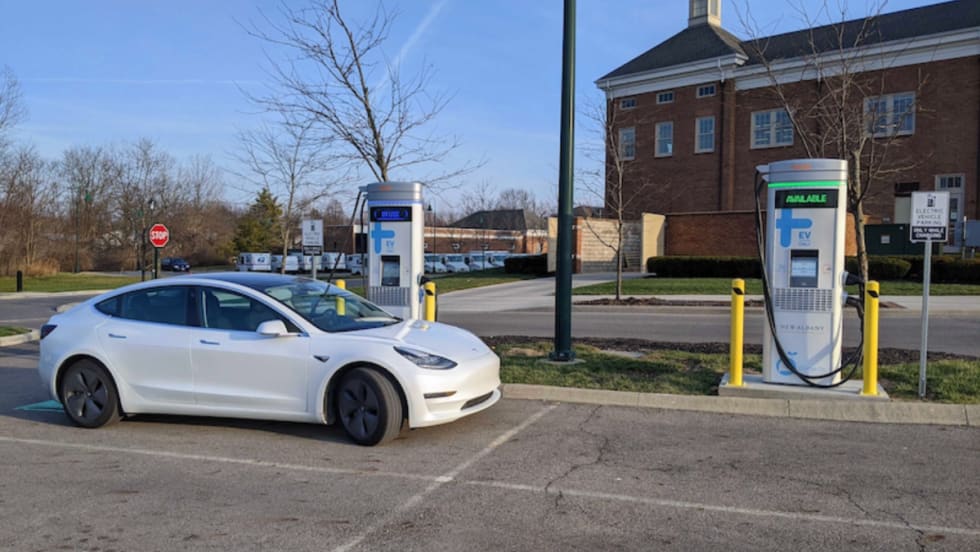
In a letter to Administrator Regan, supporters highlighted the rapid expansion of EV charging infrastructure by state and local governments, particularly in California, Oregon, Washington, New Jersey, Maine, New York, and Massachusetts. These states are offering rebates, grants, and incentives to promote the installation of public EV charging stations, both fast chargers (DCFC) and Level 2 chargers. Commenters wrote that Bipartisan Infrastructure Law has directed $5 billion towards states to further expand charging infrastructure under the National Electric Vehicle Infrastructure Formula Program.
The proposal emphasizes the urgent need to reduce greenhouse gas (GHG) emissions from light-duty and medium-duty vehicles, which are a significant source of emissions contributing to climate change. The EPA's proposed standards aim to cut GHG emissions, methane, and other pollutants through the adoption of advanced combustion technologies and increased deployment of zero-emission technologies, especially electric vehicles.
The comments acknowledged investments made by federal and state governments, manufacturers, and the private sector to develop the domestic battery supply chain. These investments, they explained, are aimed at meeting the rising demand for zero-emission vehicles. The Bipartisan Infrastructure Law provides substantial funding for battery manufacturing, battery recycling, and critical minerals production, which has encouraged various large-scale investments, according to the letter.
While the proposed standards are considered a positive step towards reducing emissions, some states and cities are urging the EPA to adopt even more stringent standards to better align with the urgency of addressing climate change. They argue that the rapid adoption of zero-emission technologies and the reduction of criteria and toxic air pollutants are crucial to safeguarding public health and mitigating the impacts of climate change.
Overall, those in support of the proposal, say that it aligns with the EPA's statutory mandate to reduce air pollution, protect public health and welfare, and promote the adoption of cleaner technologies in the transportation sector.