In this brave new world we are living in, there is more and more talk about the sustainability of fleet. But before we can talk and have an effective program, we have to understand what sustainability is in the fleet industry.
Here is what I discovered over the years, and research that I have completed, to get to where I am today. And I continue to learn every day; this helps me to manage a fleet. Furthermore, I can adopt some industry best practices as well as implement environmental savings along the way to leave our environment in better shape.
First of all, sustainability. What is it?
Here is the definition from Oxford Languages Dictionary: sus·tain·a·bil·i·ty, noun, -avoidance of the depletion of natural resources in order to maintain an ecological balance. "the pursuit of global environmental sustainability."
So where do we start? Can fleets pursue holistic sustainability?
Fleet sustainability refers to the practice of managing and operating a fleet of vehicles in a manner that minimizes its environmental impact and ensures long-term viability. It involves adopting sustainable practices and technologies to reduce emissions, conserve resources, and promote eco-friendly transportation solutions.
Environmental, Social, and Governance
Sustainable goals are often written off as too expensive for municipal fleets by leadership. Even more, most governments are creatures of habit, we have done it this way for 20-30 years. Why change? However, the energy transition demands fleets take on new and diversified energy sources and responsibilities, sustainability has grown to mean so much more than just protecting our environment. I believe it is also protecting our way of life.
For fleet managers looking to pursue fleet sustainability that also accounts for longevity and efficiency, here are some things fleets can do to work on for holistic sustainability in the face of the changing landscape. With the increasing concerns about climate change and the depletion of natural resources, fleet sustainably has become a crucial aspect of modern transportation and logistics. Whether the fleet consists of cars, trucks, buses, or other vehicles, implementing sustainable practices can significantly contribute to reducing greenhouse gas emissions and mitigating the adverse effects of transportation on the environment.
Alternative Fuels: One of the most significant contributors to greenhouse gas emissions from vehicles is the burning of fossil fuels, such as gasoline and diesel. Fleet sustainability encourages the adoption of alternative fuels like electricity, biodiesel, natural gas, or hydrogen, which produce fewer or zero emissions during operation.
Vehicle Efficiency: Ensuring that the fleet comprises fuel-efficient vehicles is essential. This involves selecting models with advanced engine technologies, aerodynamic designs, low rolling resistance tires, and lightweight materials to improve fuel economy and reduce emissions.
Route Optimization: Implementing efficient route planning and optimization can lead to reduced fuel consumption and lower emissions. This involves using GPS technology and advanced algorithms to identify the most fuel-efficient routes and avoid unnecessary detours and idling.
Maintenance and Telematics: Regular maintenance and monitoring of vehicle health through telematics can optimize fuel efficiency and prevent emissions by identifying and fixing issues promptly. Telematics systems can also provide data on driving behaviors allowing fleet managers to implement driver training programs to encourage eco-friendly driving habits.
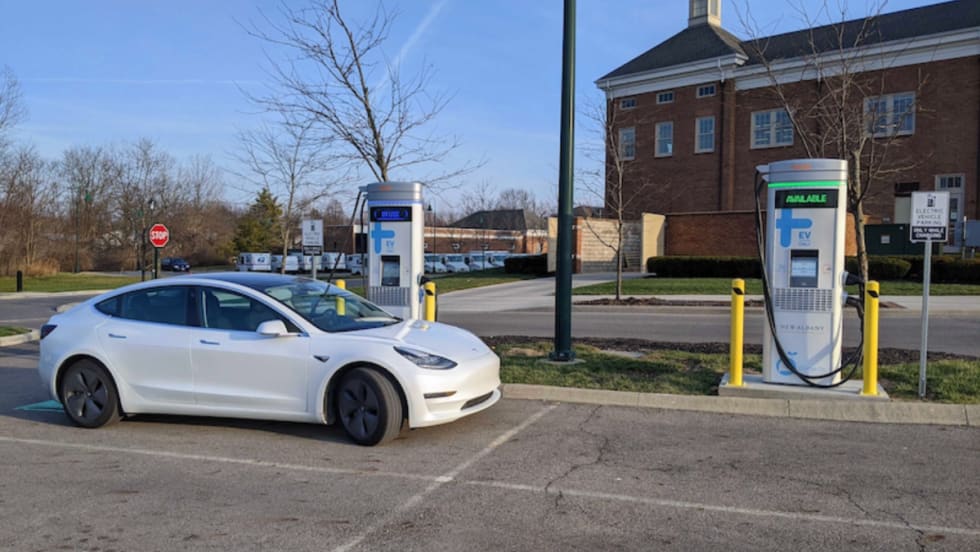
Renewable Energy Sources: Fleet sustainably also encompasses the use of renewable energy sources to power charging stations for electric vehicles or to produce alternative fuels. Utilizing solar, wind, or hydroelectric power for these purposes further reduces the carbon footprint of the fleet.
Lifecycle Management: Considering the entire lifecycle of vehicles is essential for fleet sustainability. This includes eco-friendly manufacturing processes, recycling, and proper disposal of retired vehicles, and reusing components when possible.
Public and Private Partnerships: Collaboration between governments, private businesses, and fleet operators is vital to support fleet sustainability initiatives.
Governments can provide incentives for adopting eco-friendly practices, while private companies can share best practices and promote sustainable technologies.
Eco-conscious Driver Training: Educating drivers about the importance of sustainability and providing them with training on fuel-efficient driving techniques can make a significant difference in reducing emissions and improving overall fleet sustainability.
By embracing fleet sustainability, companies and organizations can not only contribute to environmental preservation but also benefit from reduced operational costs, improved brand image, and increased competitiveness in an increasingly eco-conscious market. It's a win-win situation that fosters responsible and sustainable transportation for a better future.
Cleaner, Greener Fleet Solutions
As the entire world continues to adopt cleaner, greener solutions we, as fleet managers and leaders, have to do the same and we have to educate the leadership within our local government. Not only can this impact the environment, it will also help achieve longevity and efficiency in the organization. Along the path of the transportation sector's energy transition, data analysis, alternative fuels, and mobile fueling will be key methods of boosting sustainability.
About the athor: Darryl Syler, CPFP, is the fleet services division chief for the City of Alexandria.