Red Government Fleet with star logo
MenuMENU
SearchSEARCH

How the Houston Fleet Department is Moving Forward

In August 2017, Hurricane Harvey flooded parts of the City of Houston, destroying hundreds of fleet vehicles. Since then, the fleet has rebuilt itself and made strides in achieving a newer, greener, and ­better-utilized fleet.

February 28, 2020
How the Houston Fleet Department is Moving Forward

The Houston Fleet Mangement Department manages just under 13,000 vehicles ranging from public safety vehicles to heavy trucks.

3 min to read


In 2017, the City of Houston was hit with 4.5 feet of rain and 130-mph winds. Hurricane Harvey tied with Hurricane Katrina as the costliest tropical cyclone in the U.S., according to the National Oceanic and Atmospheric Administration (NOAA).

The City of Houston lost approximately 300 vehicles in the storm. But in the years since, the city has worked to rebuild its fleet operation with carsharing and alternative fuels programs that will help usher in a new era for the fleet.

Keeping City Operations Moving

Although the city’s motor pool, Fleet Share, was already widely used, these shared vehicles became critical after the storm as user departments worked through Federal Emergency Management Agency (FEMA) reimbursement and city procurement processes to replace department-­assigned vehicles, explained Marchelle Cain, chief of staff and deputy assistant director for the Fleet Management Department.

Since 2012, the City of Houston has worked with Zipcar to manage its Fleet Share program. With this technology, city employees enrolled in the program can reserve a vehicle online, locate it, and scan a badge to enter the vehicle.

Motor pools generally rely on high utilization for success, and monitoring vehicle usage allowed  the fleet team to maximize that utilization and ensure vehicles were getting multiple reservations in a day. The Fleet Share program includes 160 vehicles stationed at 15 hubs across the city. Using Zipcar’s technology, fleet management can identify popular hubs and move vehicles around to accommodate that demand.

“In response to heavy use, we can add cars, move the hubs, or stand up new hubs in areas where a city department is moving or has hired a new team and needs access to more vehicles,” explained Cain. “The program is designed to be flexible. If one location is not getting used as much as another, we can re‑­allocate vehicles and resources to meet the needs of the riders.”

Preparing for Electric Vehicles

Green initiatives are not new to the Houston fleet — the city owns about 600 hybrids and 30 EVs. But it’s something the city has placed a special emphasis on in recent years.

Houston Mayor Sylvester Turner is co-chair of the Climate Mayors, a network of U.S. mayors who aim to demonstrate leadership on climate change and helped ­develop an EV purchasing cooperative. When first formed, the cooperative included 142 agencies committed to purchasing more than 2,100 EVs by the end of 2020. But this cooperative pricing is available to any government fleet.

The City of Houston plans to purchase EVs through this cooperative soon. During the first round of replacements after Hurricane Harvey, the fleet team learned that purchases made with FEMA reimbursement funds were required to go to bid.

Building for the Future

The fleet team continues to adopt new initiatives. Recently, it began a program to incentivize technicians to get certifications. The city now covers the full cost of a mechanic’s first certification test from the National Institute for Automotive Service Excellence (ASE) and the Emergency Vehicle Technician (EVT) program.

Additionally, the fleet is running a pilot on B-20 — a blend of 20% biodiesel — on its Public Works and Solid Waste trucks that ordinarily run on diesel. If the pilot goes well, the city hopes to adopt the fuel across all heavy-duty diesel vehicles. 

The city is also awaiting the arrival of 12 hybrid patrol ­vehicles as part of a pilot for fleet electrification in severe-duty, high-mileage, and high-idle applications. 
Subscribe to Our Newsletter

More Green Fleet

SponsoredFebruary 6, 2026

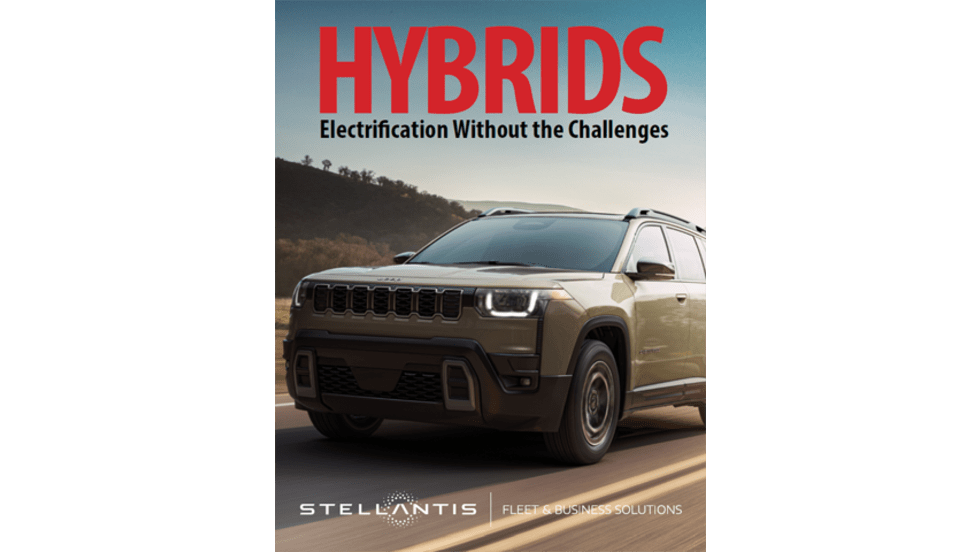
Hybrids: Electrification Without the Challenges

Hybrids bridge the gap between ICE vehicles and EVs, making them a smart choice for fleets that want to reduce emissions but aren’t ready to fully electrify. Hybrids, which are powered by internal combustion engines and electric motors, capture the benefits of electric power without the barriers many organizations find challenging.

Read More →
Green Fleetby Bob StantonJanuary 21, 2026

Flavor of the Decade: What if BEVs Aren’t the Answer?

A look at the present state of play in the EV market, plus a 2027 heavy truck emissions update.

Read More →
Ad Loading...
SponsoredJanuary 19, 2026

3 New Ways Fleet Software Pays: ROI opportunities for modern fleet managers

Public fleets face constant pressure to do more with limited budgets. This eBook outlines how modern fleet software helps agencies extend asset life, reduce unplanned downtime, and improve safety by automating maintenance, using smarter video insights, and unifying fleet data. A practical look at how technology can drive measurable ROI for taxpayers.

Read More →
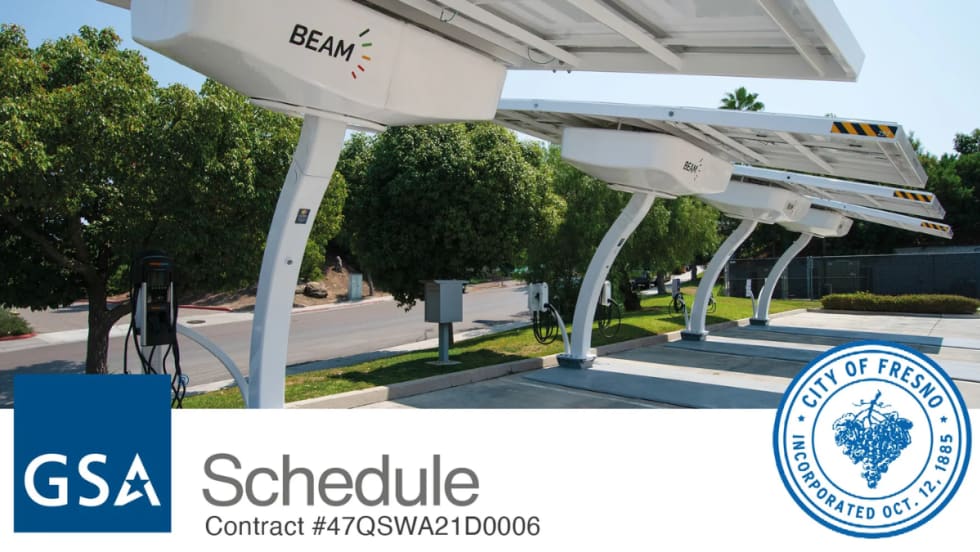
Off-grid Beam Global EV ARC charging systems installed at the City of Fresno Municipal Service Center Yard, featuring solar canopies and EV chargers used by the city’s electric vehicle fleet.
Green Fleetby News/Media ReleaseJanuary 12, 2026

City of Fresno Deploys Beam Global EV ARC Off-Grid EV Charging Systems to Support Municipal Fleet Electrification

The City of Fresno deployed off-grid EV charging systems to support municipal fleet electrification without relying on utility grid connections.

Read More →
Green Fleetby Staff WriterDecember 8, 2025

City of Quincy Partners with Cero Global to Launch Pilot to Reduce Emissions, Fuel Costs

The pilot will use Cero Global’s technology on city-owned vehicles to evaluate its impact on emissions and fuel consumption, as well as potential savings in municipal operating costs.

Read More →
Ad Loading...
SponsoredDecember 5, 2025

The Road to Smarter Electric Van Transitions: A practical roadmap for integrating electric vans into your fleet

Electric vans are becoming a strategic tool, not just a sustainability move. Get a roadmap that breaks down costs, charging planning, upfit compatibility, and what fleets should evaluate before making the switch.

Read More →
Small blue car with a green leaf and an electric plug.
Green Fleetby Staff WriterDecember 1, 2025

New Mexico Signs Agreement Advancing Electrification and Grid Resilience Efforts

The City of Socorro signs a new agreement to accelerate electrification and infrastructure development.

Read More →
UGI Energy Services logo over an image of a CNG trash compactor truck, representing Philadelphia’s move to fuel refuse vehicles with renewable natural gas.
Green Fleetby News/Media ReleaseDecember 1, 2025

UGI Energy Services and The City of Philadelphia Announce Biofuel Agreement

Philadelphia is shifting its trash collection fleet toward cleaner operations with a new partnership that will power 35 CNG compactors using renewable natural gas sourced from regional landfills.

Read More →
Ad Loading...
An electric vehicle charges at a public EV charging station outside a municipal building.
Green Fleetby News/Media ReleaseNovember 17, 2025

Sourcewell Awards ChargePoint New EV Charging Contract

ChargePoint secures a new Sourcewell contract to expand access to EV charging for public agencies across the U.S. and Canada.

Read More →