





The electrification of fleets is well underway. In fact, McKinsey estimates that there will be about ten million fleet electric vehicles, both battery electric and plug-in hybrid, by 2030.
The government is leading the charge of fleet electrification — driven by federal policy, investments and the focus on creating a path to net-zero emissions by 2050. In 2021, the Biden administration issued an executive order requiring the replacement of the government’s entire fleet of about 650,000 vehicles with U.S.-made electric models.
However while there are some hurdles on the road to safe and compliant installation, the real challenges are creating the infrastructure that can support electric fleets, ensuring optimal uptime and optimizing energy usage.

As agencies begin the journey toward electrification, there are a number of considerations that need to
be made upfront to ensure an efficient and resilient fleet operations.
Laying the Foundation for Your Fleet
Careful and detailed planning is critical to ensure your EV infrastructure installation is safe, reliable, and future proof.
Charger & Site Selection
The process should begin with detailed data on the fleet such as the type of EV, battery capacity, charging speed, and the type of charger it requires. This should also take the vehicle mission and planned usage into account.
It is important to establish what the driving distance expectations are for your fleet vehicles, how far they can travel on a charge, operating hours and the time it takes to recharge them between routes.
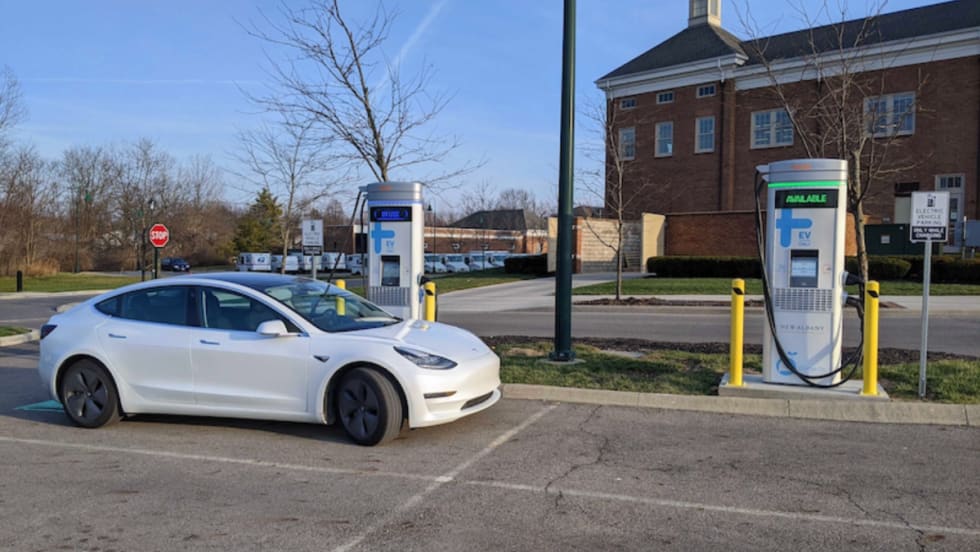
This will help determine how many chargers and the type of charging technology. Level-2 stations have become both the global industry standard and the practical standard for most sites.
However, Level-3 heavy duty chargers will be likely needed to keep fleets up and running, or for visitors who need a quick charge. These types of chargers will also impact power demand.
A critical part of any EV infrastructure is the layout of the physical location of the chargers. There needs to be sufficient space for all the physical infrastructure required. The charging cables need to be located where they can reach electric vehicles’ charging ports.
The initial decision about where to place an EV charging system will dictate how operators address other safety factors, like ventilation, waterproofing, and shock protection.
Power Requirements
The next crucial step is to determine the maximum power capacity at your site.
Then, you need to collect the right data to calculate the current and future electrical load required to keep your system running. Are there high voltage requirements? For DC Fast Charging, 50kW and 400V have been the norm, but it is poised to increase to 800V at 350kW of charging. Plus, the market is already looking ahead to 1,000kW (1MW) and 1,200V.
By understanding your site's power limitations and potential for expansion, you can
then identify the right power distribution assets (including electrical panels, switchgear), and the associated costs.
Technology Requirements
While EV, microgrid, and electrical infrastructure equipment and supplies are important, the operating software is also critical. There are a number of technology solutions featuring smart algorithms and intelligent monitoring to balance electrical usage, optimize available power usage, and protect local electrical systems from overloading.
Procurement
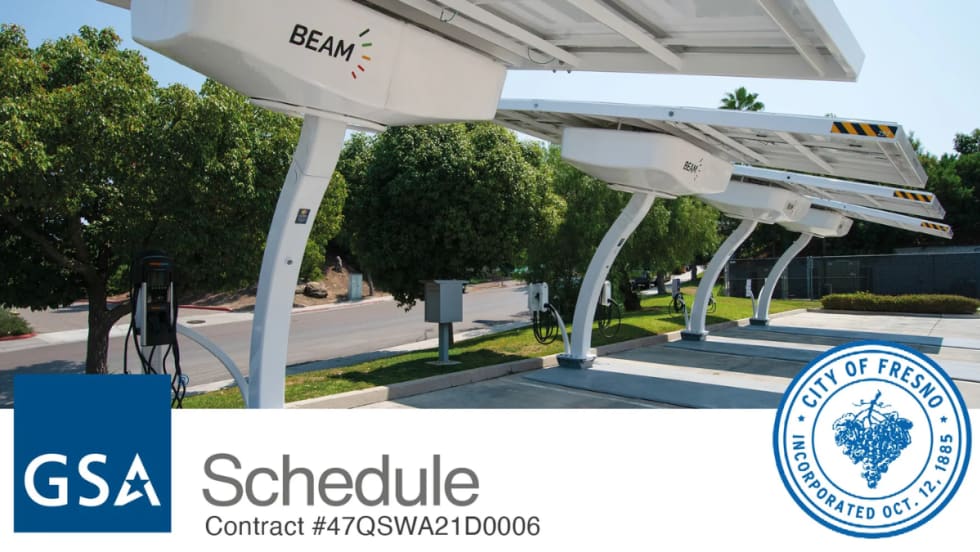
Pulling together all of the pieces for a comprehensive and reliable EV infrastructure can be daunting. More and more, government procurement professionals are turning to various forms of cooperative contracts because it can save significant time and money in contract production as well as lower contract prices through the power of aggregation.
One such example is the NASPO ValuePoint purchasing program that streamlines the procurement process for participating government agencies.
A NASPO supplier can offer a turnkey solution with end-to-end services such as plan design, equipment installation, cloud-based network connectivity, monitoring, maintenance, upgrades, and power storage and resiliency.
Subsequently, your infrastructure plan should look at growth projections to ensure that the EV charging infrastructure aligns and scales effectively, remaining future-proof.
A Demand for Energy: Straining the Power Grid
Increased electrification coupled with the rise of data centers (including crypto and AI) is pushing demand for energy significantly higher than anticipated. AI applications have immense storage capacity demands that can range from terabytes to petabytes. Projections indicate that the demand for electricity will surge by 50% during the next two decades, with no signs of slowing down.
According to Grid Strategies, the U.S. electric grid is not prepared for this level of significant load growth. This poses a key risk for reliability in EV infrastructures, particularly in mission-critical situations.
On the bright side, new methods of energy management are now available to increase energy reliability and resiliency. Localized power grids (or microgrids) can provide a decentralized approach to energy distribution to bolster on-site energy capacity, avoid high-cost, peak timeframes, and ensure power resiliency.
The Advancement of Distributed Energy Resources
Distributed Energy Resources (DERs) are referred to as the individual systems that make up a microgrid — such as solar panels, generators, and battery storage. These systems can reduce utility bills, help meet climate goals and make the electric grid more resilient.
Distributed energy resources are constantly advancing resulting in lower installation costs, efficiency increases, and greater accessibility. For example, more sustainable generator technologies (such as hydrogen and hydrotreated vegetable oil) are in development.
Recent federal actions have accelerated the adoption of DERs. The Inflation Reduction Act is forecast to support rapid and sustained adoption of a variety of DERs, such as heat pumps and battery storage, through direct financial incentives and rebates.
The Federal Energy Regulatory Commission’s Order No. 2222 will allow bundles of DERs to provide power and services to the grid in exchange for financial compensation, creating a new long-term value stream for the people and entities using these resources.
Retail net energy metering (NEM) programs, where available, allow local governments and residents to sell excess energy to the grid to reduce their energy bills. However, revenues will depend on market prices and the volume of resources that are eligible to participate in various markets.
Although beneficial on their own, combining a network system of these resources into a single system (a microgrid) creates an even more robust solution with an increase in efficiency that could not be accomplished individually. If the grid were to experience an outage, a properly designed microgrid can provide resiliency to an individual facility or utility grid.

Distributed energy resources are constantly advancing resulting in lower installation costs, efficiency increases, and greater accessibility.
Intelligent Microgrids and Fleet Operations
In the simplest terms, a microgrid is a local collection of distributed energy resources that also have the ability to interact with the broader electrical grid. At any time, these systems can either be connected to the grid to support reliability or disconnected allowing for the system to act independently.
This autonomy enhances resilience, energy security, and efficiency. While the option exists to operate independently from the grid, many systems choose to remain connected with the ability to switch in the event of a grid outage, such as bad weather.
Rural communities have relied on microgrids for decades. Thanks to increased affordability and shifting regulations, more of these microgrids are being powered by renewable energy methods.
One common misconception is that microgrids can completely off-set power from the grid. In reality, they are designed to provide peak load shaving and system resiliency. Coupled with an EV infrastructure, microgrids can offer more flexible and reliable energy management.
What makes a microgrid “intelligent” is the set of control systems that can manage, store, charge, and discharge the entire system at any given time. These controls can be programmed to monitor the supply versus demand of power being pulled from the central grid and the real-time cost of power on the market.
You need to consider Time of Use (TOU), and peak day rates to create a strategic charging schedule. In some cases, energy consumption may increase as much as tenfold overnight when electric fleets are plugged in.
While monitoring, if the control system detects low energy prices, it can switch to purchasing power from the grid to supplement the consumer's needs while using battery systems to store self-generated power from solar panels for future use. Subsequently, the controller can discharge these batteries when prices increase, ensuring more stable energy costs.
The system also has the ability to operate autonomously, ensuring an uninterrupted power supply even during grid outages or disruptions.
This level of real-time energy management improves the efficiency of your energy performance, control costs and increases predictability. Besides the benefits to the planet, fleet electrification can lower operating costs, deliver greater energy efficiency.
Combining EV charging stations with innovations in solar and energy storage can offer benefits beyond sustainability metrics — including reduced energy spend, stabilized electricity costs, and improved reliability.
As agencies begin the journey toward electrification, there are a number of considerations that need to be made upfront to ensure an efficient and resilient fleet operations. An experienced EV infrastructure and energy consultant can provide the expertise and guidance to help navigate the issues that will make or break your installation.
This article was authored and edited according to Government Fleet editorial standards and style. Opinions expressed may not reflect that of GF.