Learn what the difference is between the two methods and how understanding them can help you save money.
Many fleet managers are struggling with budget cuts due to the ongoing COVID-19 crisis, and are working to find ways to cut costs that work best. An Aug. 5 webinar sponsored by Long Beach Clean Cities and presented by Government Fleet, MEMA, and Mercury Associates tackled a topic that may help in easing the difficulties associated with determining the right fleet size for your operation.
Titled “Rightsizing and Right Typing to Reduce Fleet Capital Costs,” moderator David Worthington, manager of fleet and construction support for the East Bay Municipal Utility District, Calif., guided a presentation by Tony Yankovich, managing director of Mercury Associates and Marc Canton, manager of Mercury Associates, that discussed various approaches to rightsizing your fleet, pointed out the differences between rightsizing and right typing, walked attendees through methodologies they need to perform these kinds of analyses, and provided relevant case studies that demonstrated savings other organizations have realized from their efforts.
Rightsizing and Right Typing: What’s the Difference?

David Worthington
First off, it’s important to define the two terms:
Rightsizing - making sure the organization has the appropriate number of vehicles and other assets to appropriately fulfill their missions.
Right typing - used to determine whether or not you have the most appropriate vehicles and equipment for the job performed via their use.
The objective of rightsizing and right typing is to make sure the users have exactly the assets required to execute their mission.
What Can I Rightsize and Right Type?
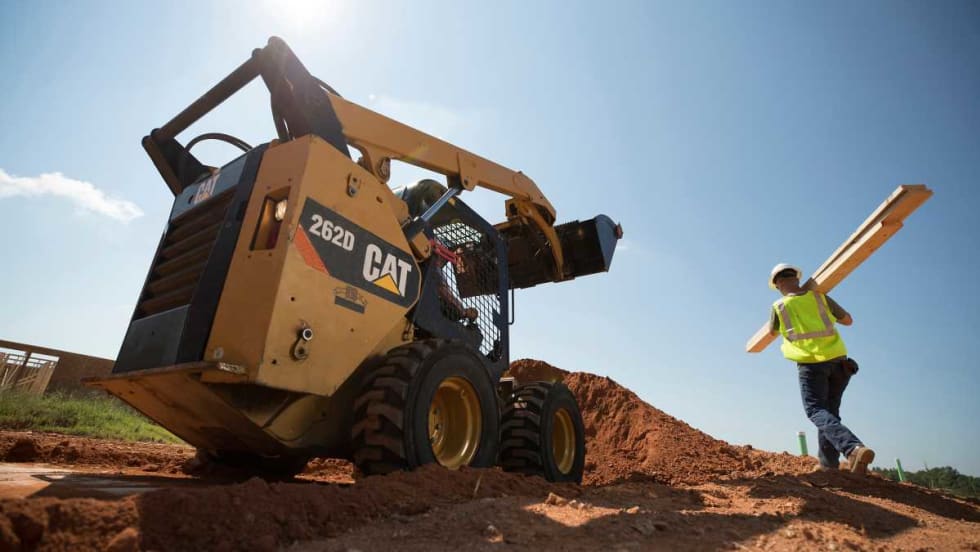
When you’re asked to look at rightsizing and/or right typing your fleet, you cannot limit the analysis to just vehicles; you should include “yellow iron” like backhoes and loaders, and other items like trailers, attachments, and trailer mounted compressors and generators.
“By controlling fleet size and composition, you have an opportunity to control cost by disposing of assets deemed unnecessary or non-essential and realizing the proceeds from the sale of these items,” said Yankovich.
You must also consider the “trickle down effect” caused by a change in fleet size. If the change is significant, it can impact the workload, the workforce and the workplace. all of which must be balanced to achieve the greatest efficiencies.
When is the Right Time?
![Because FirstNet offers dedicated bandwidth to first responders, it can handle heavy data throughput that would choke commercial networks. (Photo: FirstNet) [|CREDIT|]](https://assets.bobitstudios.com/image/upload/f_auto,q_auto,dpr_auto,c_limit,w_684/pm.PoliceTech-car-14335774199-a68cf2705e-o_1759885805176_silpbr.jpg)
Tony Yankovich
You shouldn’t just consider rightsizing and right typing during times of economic downturn. Yankovich stated it’s never the wrong time to evaluate the size and composition of your fleet, as the needs of an organization often over time.
Having solid guidelines will help fleet managers stay on top of making the best choices all the time. Here are a few points of consideration that should be on your radar:
Allocation of fleet assets (permanently vs. shared use)
Acquisition alternative analysis (rent vs. own vs. privately owned vehicle (POV))
Minimum utilization thresholds
Utilization review guidelines (should be collaborative and ensure user needs are met, reassign/eliminate excess assets)
Objective needs definitions (capacities, capabilities, etc.)
How to Successfully Rightsize and Right Type
Rightsizing
Canton mentioned when one hears the term “rightsizing,” getting rid of vehicles seems to be the first thing that comes to mind.
“We should really try to avoid that definition or approach. It’s not always the best way to reduce costs for an organization,” he said.
As a matter of fact, too few assets could actually cost organizations more time and money. If you have to take more trips to move the same amount of people or goods, that could lead to more overtime. The cost of rentals and POV reimbursement can lead to higher costs as well.
To successfully rightsize, you must have an objective and know what you are trying to accomplish. Be empirical/data driven and inclusive. Bring in key stakeholders to discuss and reach agreements quicker. Results must reasonably meet user needs; don’t just cut for the sake of cutting. Finally, consider possible alternatives that will meet these needs such as a shared use motor pool, ride sharing, or public transportation.
Right Typing
![Dave Smith [|CREDIT|]Illustration: Sequoia Blankenship](https://assets.bobitstudios.com/image/upload/f_auto,q_auto,dpr_auto,c_limit,w_684/pm.inmysights-davesmith-left-10_1759886603225_tq9ngx.jpg)
Marc Canton
When you think about rightszing, you need to consider right typing as well. This is all about maximizing efficiency. Determining the right vehicles for the jobs you need done will set you up for success.
“By looking at both the current capital and operating costs, direct savings can be realized by switching vehicle type,” Canton said.
He provided the example that if a one-ton pickup is being used for a need that could be met by a half-ton truck, there are reduced capital and operating costs of moving to the smaller truck. However, if a truck is too small, it will require additional trips or endure usage beyond its design, adding to the operational cost of the unit.
Yankovich mentioned a few factors that will determine how fleet managers can aim to rightsize and right type successfully.
Gain support from the highest level in your organization.
Collaborate with the customers who rely on the vehicles.
Understand traditional fleet utilization metrics such as miles driven and engine hours operated are only part of the equation in determining the actual need for a vehicle or piece of equipment.
Realize that a “one size fits all” approach will not work.
Educate customers on the options that will meet their needs such as shared use (formal and informal), commercial rentals, ride sharing, public transportation, POV reimbursement, work scheduling, etc.
Provide solutions such as creating a shared use pool for low use vehicles and equipment, establish contracts with commercial rental companies, develop a table of assets list on the fleet website, create a transportation calculator tool to help customers determine the most cost-effective transportation alternative, etc.

![Is the law on use of force really changing? What is science saying about bias? What can you do to be safer on the job?[|CREDIT|]Photo: Getty Images](https://assets.bobitstudios.com/image/upload/f_auto,q_auto,dpr_auto,c_fill,w_980,h_552/pm.gettyimages-169937496_web_1759886967625_pm6g0r.jpg)