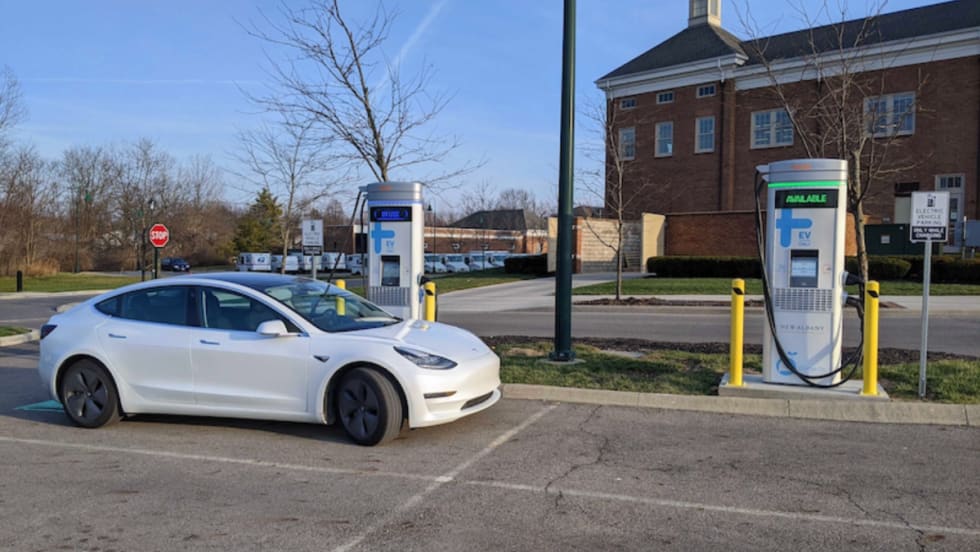
The number of electric vehicle chargers in public areas is rising in line with the number of drivers switching to electric vehicles. These chargers are crucial to boosting the uptake of EVs and lowering carbon emissions by meeting the increasing demand for easily accessible and convenient charging choices.
It is necessary that all parties involved—including governmental organizations and private investors—understand the expenses related to providing electric vehicle chargers in public areas. Precise evaluation of expenses guarantees effective distribution of resources, financial planning, and triumphant project execution.
Through a thorough assessment of these costs, interested parties can make well-informed choices that support environmentally-friendly transportation infrastructure.
Initial Costs of Installing EV Chargers
Purchasing EV Chargers
The cost of buying the charging devices alone is the first expense associated with installing EV chargers. EV charger costs can differ greatly depending on the model and features. The average cost of a Level 2 charger, which is frequently seen in public areas, is between $500 and $2,500.
DC fast chargers can run you anywhere from $10,000 to $40,000. The technology and charging speed are the reasons for the pricing disparity. Government subsidies or bulk purchases may help lower these expenses, but it's crucial to select chargers that satisfy the location's unique requirements and anticipated usage.
Installation Charges
Installation fees make up a significant amount of the initial costs, in addition to the cost of the charges. These charges might differ significantly depending on a number of variables, such as labor expenses, the complexity of the installation, and the necessity for electrical modifications.
Inexpensive setups may just cost a few thousand dollars, but more intricate arrangements may cost up to $20,000. Trenching for electrical conduits, updating electrical panels, securing permits, and guaranteeing local code compliance are important factors to take into account.
Additionally, because of different logistical problems, the location—a parking lot, curbside, or parking garage—can affect installation costs. Precise installation cost estimation is essential to prevent unanticipated costs and guarantee project stays under budget.
Infrastructure Upgrades When Making the Switch
![[|CREDIT|]](https://assets.bobitstudios.com/image/upload/f_auto,q_auto,dpr_auto,c_limit,w_684/pm.funerals_1759887000426_q3inxe.jpg)
Monitoring use trends and potentially integrating energy management systems to optimize charging schedules and lower peak demand fees are necessary for effective energy cost management.
Electrical Upgrades
It is often necessary to make substantial electrical renovations in order to install electrical car charging stations in public areas because of the increased power demand. These improvements may consist of:
Upgrades to Electrical Panels: In order to handle the increased load, it could be necessary to upgrade or replace the current panels. This may involve making sure it is compatible with the new EV chargers and raising the amperage capacity.
Transformers and Substations: To ensure that the charging stations receive enough power, the local power system may occasionally require improvements, such as the installation of new transformers or substations.
Conduits and Wiring: An operation will need to install suitable wiring and conduits in order to ensure the safe delivery of electricity to the chargers. This could entail installing new electrical cables and making sure they are shielded from the elements.
These improvements are important in order to guarantee the dependability and security of the charging infrastructure, pllus they can significantly impact the overall project cost.
Construction and Site Preparation
For EV charger installations to be successful, the site must be properly constructed and prepared. Important actions consist of:
Excavation and Trenching: To install electrical conduits and link the chargers to the power supply, digging, and excavation may be required, depending on how the site is laid out.
Paving and Resurfacing: In order to restore the area and guarantee that it is both safe and accessible for users, the site may need to be paved or resurfaced once conduits and wiring have been installed.
Markings and signs: To direct users to the EV chargers and guarantee appropriate use, clear pavement markings and signs are crucial. This might include putting up instructional signage, painting reserved parking spaces, and erecting directing signs.
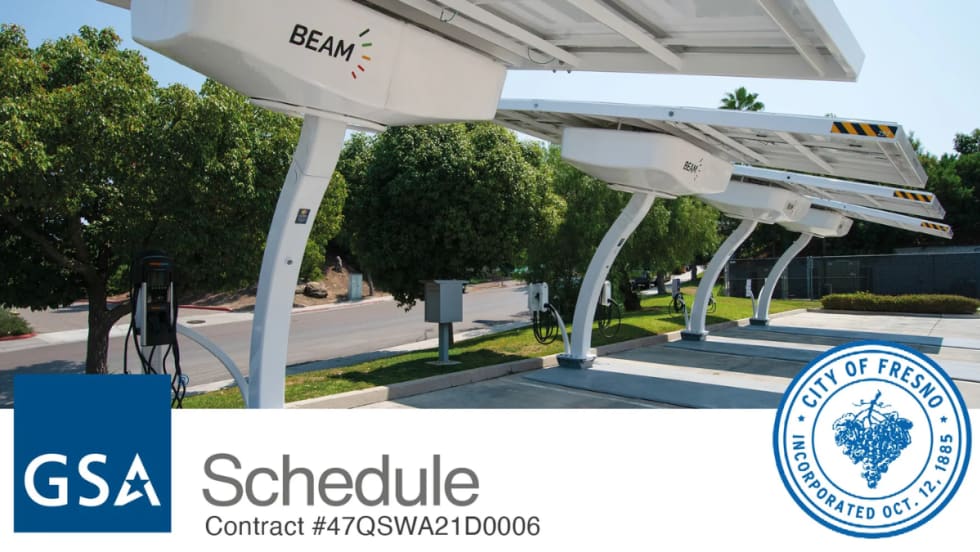
Shelters and Canopies: To protect chargers and users from inclement weather, shelters or canopies may occasionally be erected, improving user experience overall.
To provide a long-lasting, reliable, and useful infrastructure for EV charging in public areas, careful planning and construction are essential.
Maintenance and Operational Costs for Electrification
Regular Maintenance
Regular inspections and servicing are necessary to maintain EV chargers in public areas and guarantee their best functionality and safety. Frequent maintenance involves swapping worn-out parts, cleaning the device, updating the software, and inspecting the electrical connections. By extending the chargers' lifespan and preventing unplanned malfunctions, scheduled maintenance helps users enjoy dependable service.
Energy Costs
The energy used by the chargers is another expense associated with operations. The cost of power might change depending on usage patterns and local tariffs. Monitoring use trends and potentially integrating energy management systems to optimize charging schedules and lower peak demand fees are necessary for effective energy cost management. This will ultimately guarantee cost-effective operations.
Funding and Grants for Public Sector Fleets
Available Government Grants
Grants are frequently offered by the federal, state, and local governments to assist in the construction of EV charging infrastructure.
These incentives can pay for a large amount of the upfront expenses, such as charger purchases and electrical modifications.
The Federal EV Charging Station Grant Program and other state-specific efforts are two examples.
Incentives for Public Sector Installations
There are incentives available exclusively for installations in the public sector, which encourages public organizations and municipalities to implement EV charging infrastructure.
Low-interest loans, tax credits, and refunds are a few examples of these incentives.
Incentives from the public sector are intended to encourage EV chargers to be widely accessible, which will increase the uptake of electric cars and further environmental objectives.
Long-term Financial Benefits
For the public sector, investing in EV charging infrastructure offers substantial long-term financial advantages. Over time, higher usage and money from charging fees may balance the initial cost of buying and installing chargers.
Furthermore, having EV chargers in public areas can draw more people there, which will strengthen the local economy. Reductions in carbon emissions and enhanced air quality also have positive effects on public health and may result in lower costs associated with environmental compliance.
In comparison to traditional fueling infrastructure, long-term cost savings include lower operational and maintenance expenditures. EV chargers require less maintenance because they have fewer moving parts and experience less wear and tear. Furthermore, public sector organizations can save money on electricity as its price is more constant than that of fuel.
Final Considerations for EV Charger Installation
Planning and executing EV charger installations in public areas effectively requires an understanding of the associated expenses.
Charger purchases and installation fees comprise the initial costs; infrastructural modifications, including electrical upgrades and site preparation, increase the investment. It is necessary to account for ongoing maintenance and energy expenses in the total budget. The availability of government incentives and grants, however, can greatly reduce these costs.
The value of these expenditures is further increased by long-term financial advantages including return on investment (ROI) by charging fees and cost savings on energy and maintenance. In the public sector, the development of EV charging infrastructure is ensured by a thorough cost analysis.
About the author: Bailey Corns is a digital content specialist with Santella Electric.