Dallas Selects Ford Pro to Advance EV Charging Infrastructure
The city of Dallas is accelerating its Climate Action Plan with a goal of electrifying the city’s fleet by 2040, signing a multi-year agreement with Ford Pro for EV charging infrastructure including hardware and smart charging software.
Ford Pro and Dallas entered a 10-year agreement to grow and manage EV charging infrastructure for the city’s fleet operations.
Photo: Ford Pro
2 min to read
The city of Dallas has selected Ford’s commercial division, Ford Pro, to help move the city’s climate goals forward, aiming to improve air quality through electrifying the city’s vehicle fleet by 2040.
Ford Pro and Dallas entered a 10-year agreement to grow and manage EV charging infrastructure for the city’s fleet operations. As part of the agreement, the city of Dallas will install Ford Pro chargers at the city’s worksites and use Ford Pro smart charging software to customize and manage EV charging performance.
Ensuring Fleet Vehicles are Charged and Ready for Work
“The city of Dallas is committed to a clean, safe, and healthy environment, and we’re making great strides in our efforts to reduce emissions and improve air quality,” said Dallas Mayor Eric L. Johnson. “This agreement with Ford Pro marks a significant milestone and will help our city avoid energy waste and save money on energy costs. We look forward to building upon our work with Ford Pro to further scale EV charging infrastructure and electrify our fleet operations to continue to serve our great city now and in the future.”
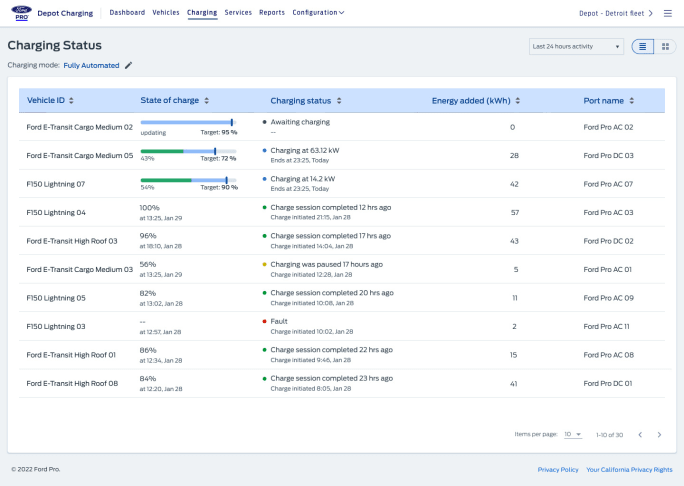
Ford Pro's dashboard will allow the city of Dallas to monitor the charging status of vehicles.
Photo: Ford Pro
A Growing Public Sector Trend
Four million vehicles are operated by state and local governments in the U.S., according to 2022 data from the Federal Highway Administration. The Government Accountability Office reported that the U.S. government has called for most federal vehicle purchases to be zero-emission vehicles by 2035.
Ford Pro has also reported an increasing trend of state and local governments adding EVs to their fleets. Possible reasons for this shift may be driven by:
Fuel costs.
Potentially lower operational costs provided by EVs.
A match of good use cases for how municipal agencies use EVs.
A One-Stop Shop for Solutions
Ford Pro's connected customer experience offers a suite of solutions including vehicles, charging, software, financing, and service for all commercial and government customers.
“EV adoption is on the rise with state and local government fleets, and we’re proud to provide smart charging software and hardware to help electrify one of the Lone Star State's biggest cities in one of America’s biggest metro areas,” said Ford Pro CEO Ted Cannis. “The impact software can have on EV charging can be substantial, helping public agencies like the city of Dallas not only manage charging infrastructure today, but help determine where chargers may be needed in the future.”
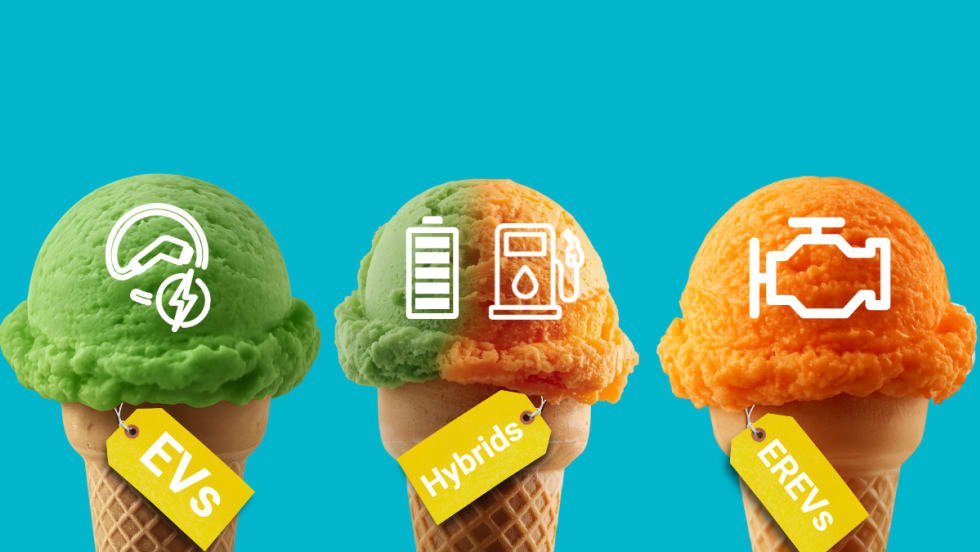
Hybrids bridge the gap between ICE vehicles and EVs, making them a smart choice for fleets that want to reduce emissions but aren’t ready to fully electrify. Hybrids, which are powered by internal combustion engines and electric motors, capture the benefits of electric power without the barriers many organizations find challenging.
Public fleets face constant pressure to do more with limited budgets. This eBook outlines how modern fleet software helps agencies extend asset life, reduce unplanned downtime, and improve safety by automating maintenance, using smarter video insights, and unifying fleet data. A practical look at how technology can drive measurable ROI for taxpayers.
The pilot will use Cero Global’s technology on city-owned vehicles to evaluate its impact on emissions and fuel consumption, as well as potential savings in municipal operating costs.
Electric vans are becoming a strategic tool, not just a sustainability move. Get a roadmap that breaks down costs, charging planning, upfit compatibility, and what fleets should evaluate before making the switch.
Philadelphia is shifting its trash collection fleet toward cleaner operations with a new partnership that will power 35 CNG compactors using renewable natural gas sourced from regional landfills.