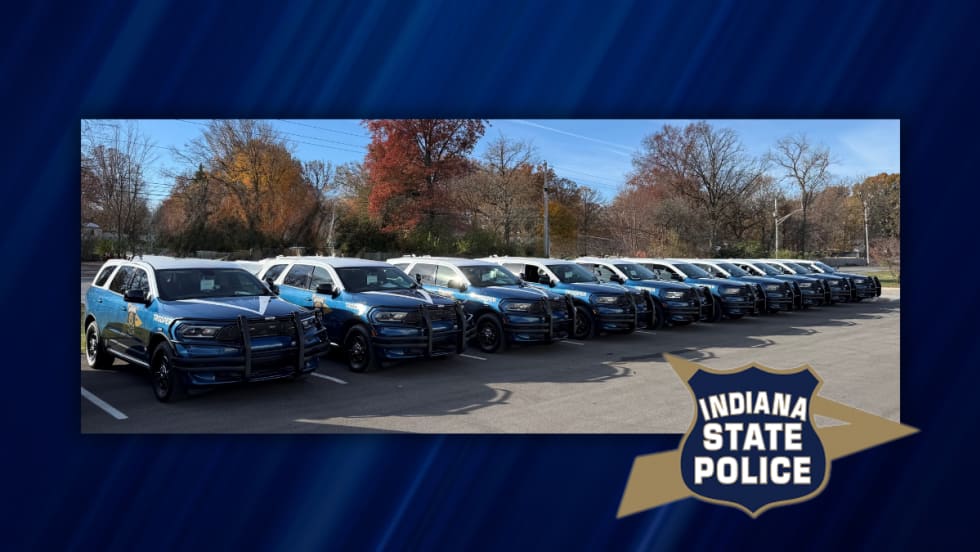





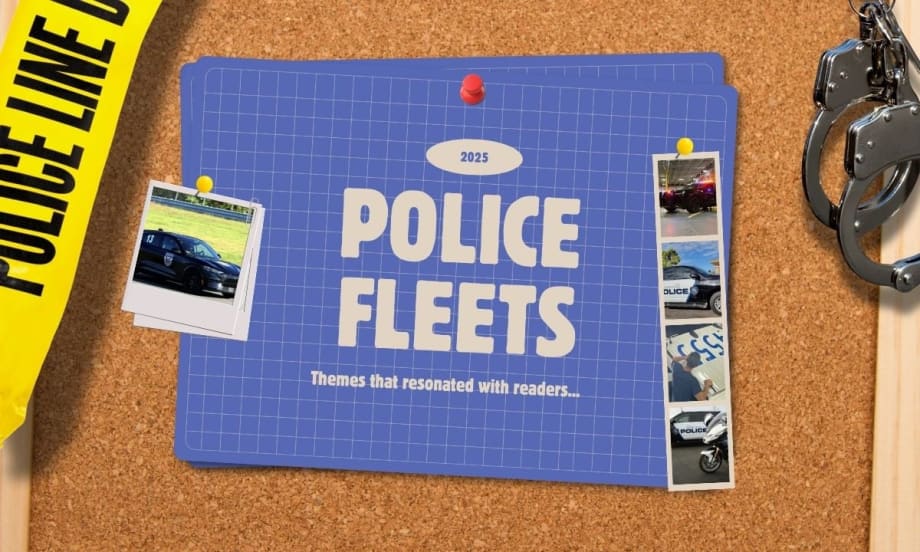
Police fleets spent 2025 under pressure to move faster, stretch dollars further, and still give officers equipment they trust. That tension showed up at the Michigan State Police track, where pursuit vehicles and EVs were pushed to their limits, and on the streets of Sterling Heights, where a Blazer EV PPV is answering calls for service.
It also appeared inside agencies like Leon County, Queen Creek, and Fairfax County, where fleet teams quietly reworked how they plan, spec, and support patrol units.
This roundup brings those threads together. You’ll see which vehicles stood out when MSP timed every run and logged every stop, and how one Michigan department is using an EV pilot to gather real performance and emissions data.
Those same themes run through three Police Fleet Innovators, who turned ideas about sustainability, long-range planning, and communication into concrete changes in uptime and officer safety.
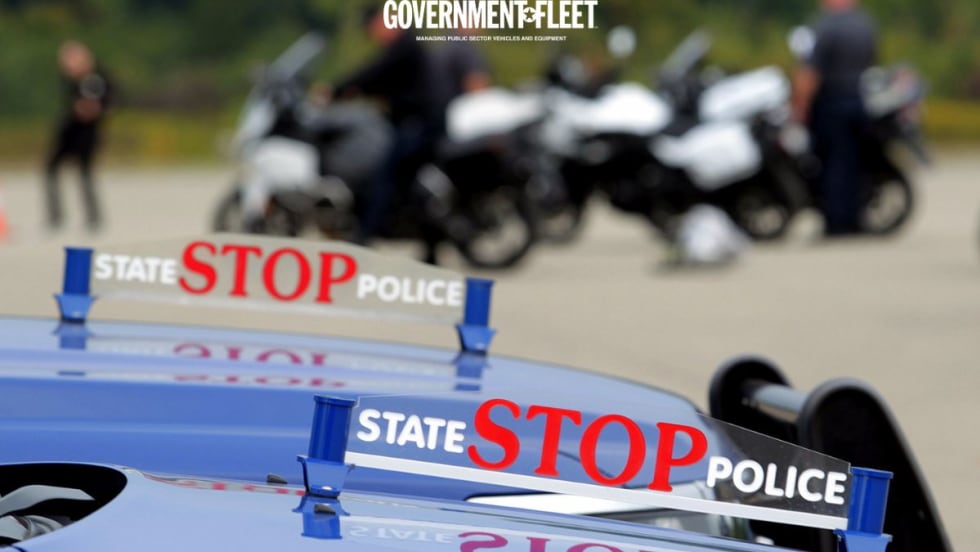
Michigan State Police 2026 Vehicle Testing Results
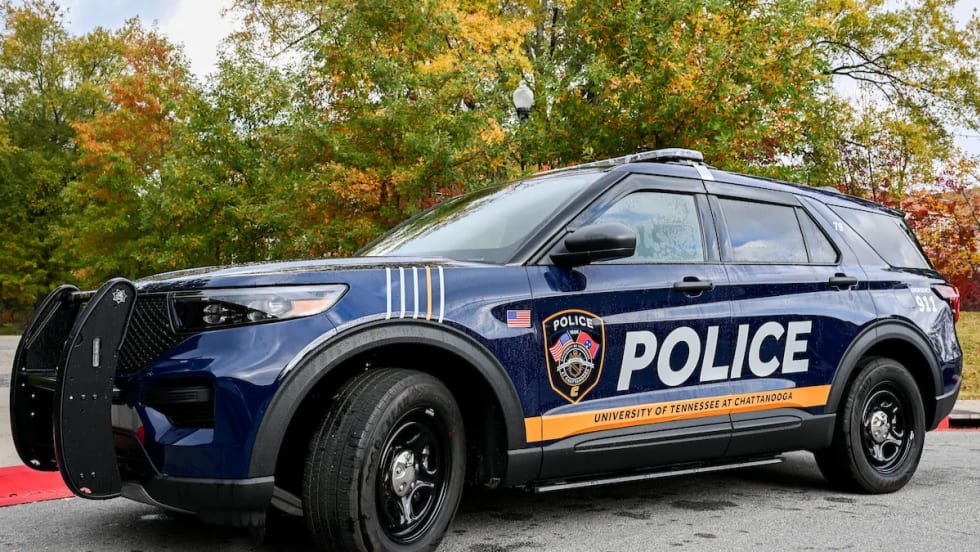
From zero-to-100 acceleration to braking distances and lap times, MSP’s 2026 model year tests show which patrol vehicles and motorcycles actually perform under pressure, including how the latest EVs stack up against long-standing pursuit platforms.
The data is there in black and white (or should we say red and blue), but why should that matter to fleets planning their next spec?
Michigan Police Department Finds Early Success with Chevrolet Blazer EV PPV
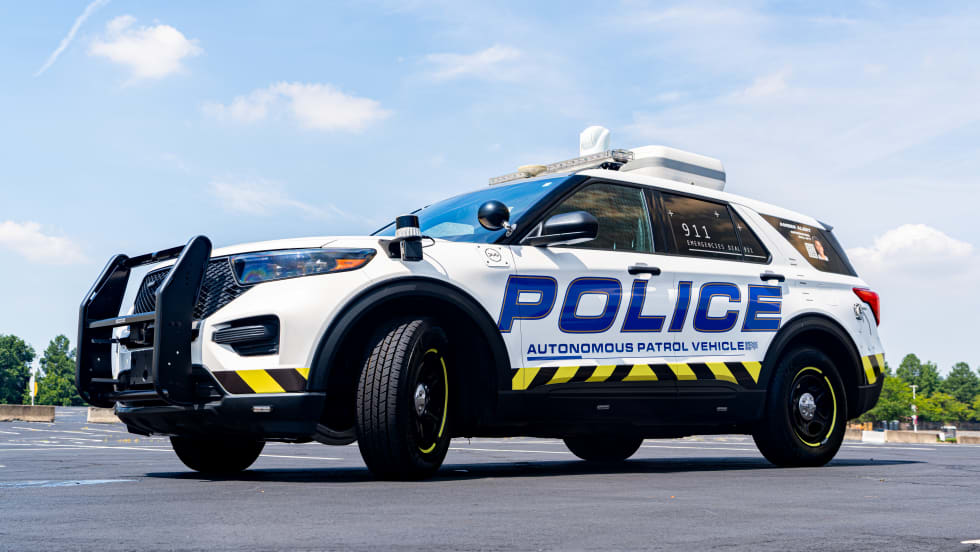
Sterling Heights has deployed a Blazer EV PPV for true patrol and traffic enforcement, not just administrative use, and is tracking everything from officer feedback and training needs to emissions reductions and early maintenance trends.
The first-year results are encouraging and can give fleets an idea of where an all-electric pursuit unit might fit in.
"Reliable, Repeatable, Sustainable Service": Leon County’s Road to Police Innovation
Modern policing comes with many challenges, and none is more present in the minds of public fleet managers than decarbonization, the transition from gas to electricity.
Leon County paired safety-focused specs and intensive driver training with a hard look at cost per mile, idle time, and individual GHG output to reshape how its deputies stay in service. These changes are measurable on both uptime and sustainability, so why should that approach influence how other fleets think about innovation?
Slow and Steady: Queen Creek's Blueprint for Success
Queen Creek used long-range planning, a multi-year purchasing plan aligned with the department’s hiring forecast, and close coordination with police leadership to anticipate and address supply chain issues. The team diversified sourcing while leveraging data, and is backing it up with a new maintenance facility and a growing mobile technician program to keep cars in service.
They’ve built a model in which vehicles are ordered, upfitted, and ready before officers arrive, with procurement, finance, and IT aligned on timing and costs. For fleets juggling growth, delays, and tight funding, Queen Creek’s playbook shows how to turn long-range planning into more units ready on day one and fewer surprises in the shop.
Climbing the Communication Ladder: Fairfax County's Rise to Police Fleet Innovation
What does it look like when a large, high-volume police fleet builds its operation around communication? In Fairfax County, conversations start before vehicles are ordered and continue as units move through the shop into patrol, so decisions are shaped by what technicians see under the hood and what officers experience on the road.
Over time, this rhythm has let the team adjust builds over time so ideas that fall short fade out, while improvements that clearly help with safety or efficiency become the new standard. That kind of discipline can help large operations build more consistency into patrol vehicles while making major changes easier to justify.