





The U.S. government has only 1% of the chargers it needs to electrify its federal fleet. That’s according to testimony before the House Committee on Oversight and Reform this week by the U.S. Government Accountability Office (GAO). The GAO shared results from a study it conducted to investigate efforts by the United States Postal Service (USPS) and the federal government to transition to electric fleets.
The testimony by the GAO mainly focused on the Postal Service’s electrification efforts, highlighting issues the USPS is facing in its transition, as well as issues other federal fleets may face. In December 2021, the Biden Administration issued an executive order calling for an all-electric federal fleet by 2035. According to the GAO, the USPS is not included in the order. However, an August 2021 executive order did strongly encourage the Postal Service to meet the same goals.
The Postal Service recently ordered 50,000 next generation delivery vehicles (NGDVs), 40,000 of which are internal combustion engine (ICE) vehicles and 10,000 are electric vehicles (EVs). They will be manufactured by OshKosh Defense. The USPS currently operates nearly 200,000 ICE vehicles.
In making its decision for its NGDV contract, the USPS conducted an analysis of both gasoline and electric NGDVs. The GAO pointed out that the USPS used a gasoline price that is almost $2 per gallon less than the current national average price. It also assumed maintenance would be more expensive for an EV than an ICE vehicle. The GAO reported it plans to test the effect of changing these assumptions.
The GAO identified three factors that could affect widespread EV acquisition within federal fleets: concerns about higher up-front costs, infrastructure costs and installation, and EV model availability.
Officials Highlight Concerns About Higher Up-Front Costs
Some federal agencies have identified the higher acquisition costs associated with EVs as a factor that has hindered the transition. In its ongoing work, the GAO indicated that costs have declined over time and are expected to continue to do so.
Postmaster General Louis DeJoy has said he would like to have as many electric NGDVs as possible, but said costs are a major issue. The USPS doesn’t receive government aid, so it will have to spend its own money to electrify its fleet. However, two major moves could help the USPS with its funding troubles.
President Joe Biden signed the Postal Service Reform Act, which will overhaul the agency’s finances. It will require retired postal employees to enroll in Medicare when eligible. It also repeals a previous mandate that forced the USPS to cover health care costs up front and years in advance. According to the House Oversight Committee, this could save the Postal Service nearly $50 billion over the next 10 years.
The Postal Service also announced proposed price increases for its services. If approved by the Governors of the USPS, the proposed prices would raise first-class mail prices approximately 6.5%.
USPS NGDV Executive Director Victoria K. Stephen also shared testimony before the committee. She said the Postal Service has other issues it needs to address aside from electrifying its fleet.
“Every additional dollar spent on buying electric vehicles is one fewer dollar that can be spent on a long list of other critical capital needs and operational objectives at the Postal Service,” Stephen said. “Similarly, every investment in the postal delivery network must be weighed against postal rate increases that might also be used, in part, to help pay for it.”
GAO Shares Infrastructure Hurdles
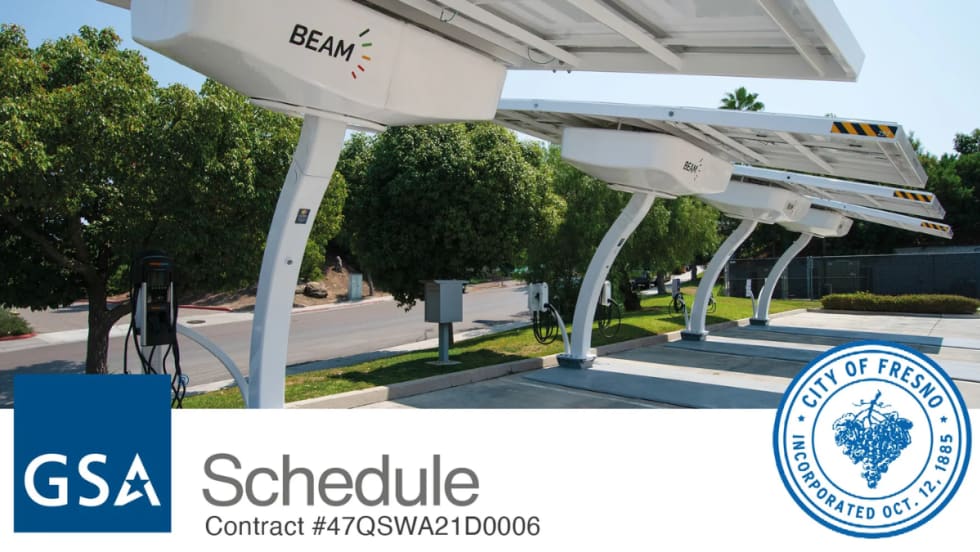
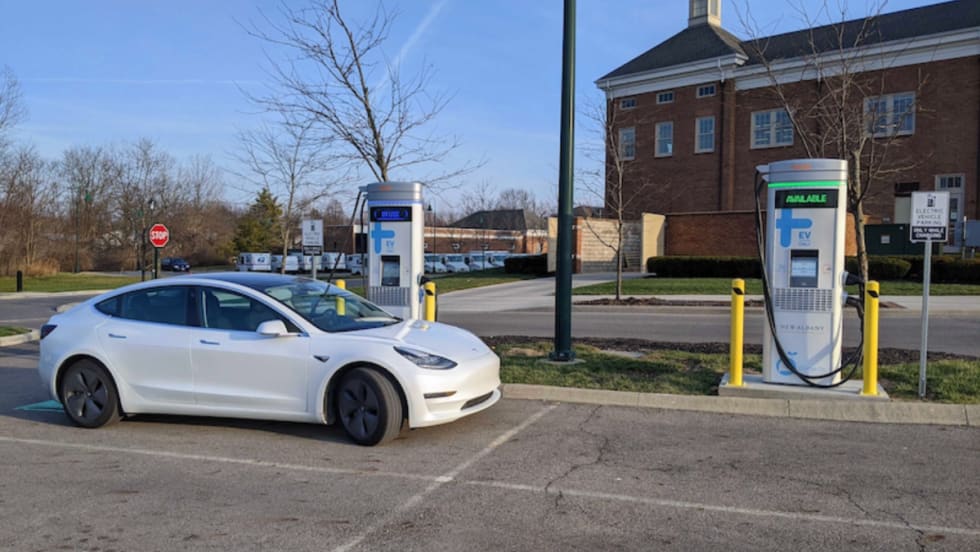
The GAO also previously identified charging infrastructure costs and installation as a key challenge to acquiring EVs. Federal agencies own about 1,100 charging stations, according to the Department of Energy’s Alternative Fuels Data Center. Some of the stations have multiple ports, each of which can charge an electric vehicle. To support widespread EV use, General Services Administration (GSA) officials reported there may be a need for more than 100,000 charging stations. Given the current number of stations already in place, that means the federal government has only about 1% of the charging stations it needs.
The USPS estimated it would need one charging port for each NGDV, in part, to allow each vehicle to fully charge. The USPS estimated each charging station it installs could cost on average as much as $18,000. The GAO also raised concerns about charging infrastructure capabilities. Postal Service officials reported that many USPS facilities are older and may not have the power capacity to support a larger fleet of EVs.
In February, the Biden Administration unveiled its plan to award nearly $5 billion over five years to build EV charging stations.
GAO Scrutinizes EV Model Availability
The GAO cited its previous work, which found that many federal agencies require larger vehicles that may not have EV options, like pickup trucks or sport-utility vehicles. However, its ongoing studies indicate manufacturers are increasing the types of electric vehicles available. According to the GAO, OEMs have indicated they are optimistic that there will be EV options for all vehicle types within the next five years. The GSA recommends agencies focus on installing charging infrastructure while waiting for increased vehicle model availability.
GSA officials recommend federal agencies use training designed to help with the transition. They can participate in an interagency monthly EV roundtable, hosted by the GSA and Department of Energy, designed to share new information and best practices on fleet electrification, including potential acquisition challenges and strategies.