Schneider Electric announced its Accelerating Resilient Infrastructure Initiative, a nationwide effort to rapidly deploy resilient, community-based energy systems across the U.S.
This initiative aims to rapidly scope, finance, and deploy resilient energy infrastructure, such as microgrids. With federal incentives currently available for clean energy projects, the time to launch and implement these initiatives is now.
Participants include:
Global technology leader Microsoft, bringing cloud, AI and data capabilities
Infrastructure providers AlphaStruxure, AZZO, Celsius Energy, CDM SmithEVerged, Mainspring Energy, Pisgah Energy, Sprocket Power, Sunrock Distributed Generation, Sustainability Partners, Unison Energy, Verdant Microgrid , and Viridi.
Consulting firms Arcadis, Baringa, Viridi Edge, and Zurich Resilience Solutions; electrical distributor Graybar; and the nonprofit Resilient Cities Network.
Strategic integrator Schneider Electric, connecting customers with project developers and providing advanced energy technologies.
The U.S. power grid is expected to reach peak supply capacity by 2028. This initiative hopes to alleviate the stress on the grid by scaling distributed energy resources (DERs), according to a recent press release.
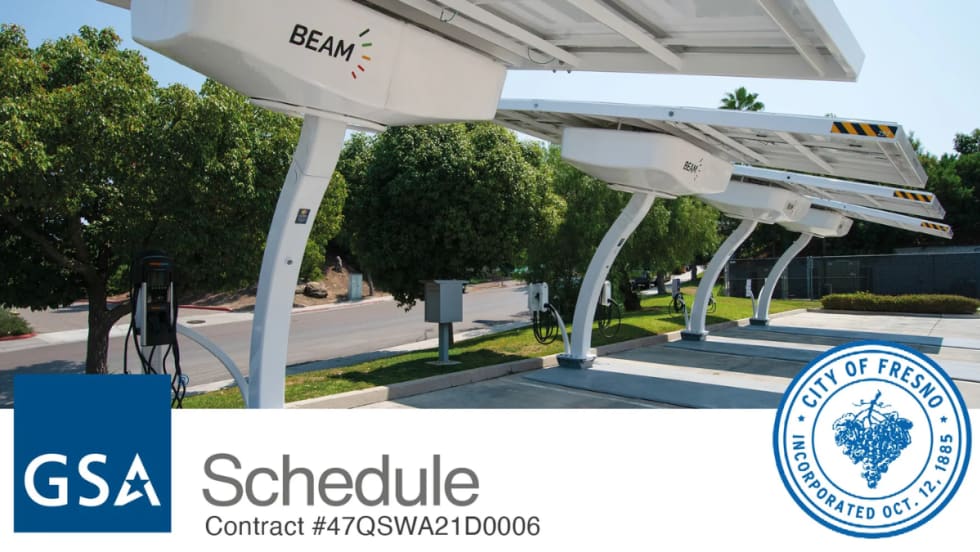
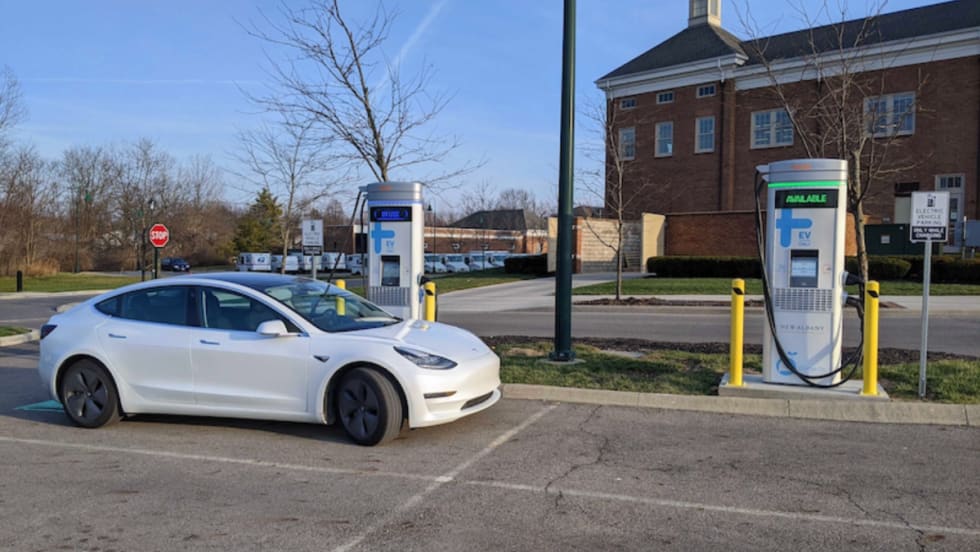
They plan to expand infrastructure for solar panels, battery energy storage, geothermal heat pumps, and electric vehicle charging.
Use Cases
Microgrids are localized energy systems that can operate independently from the centralized grid, providing reliable power during outages or grid stress.
In addition to resilience, microgrids offer cost certainty and faster time to power by overcoming grid constraints.
Examples of resilient energy systems already being deployed include:
Montgomery County, Maryland: AlphaStruxure microgrids at two bus depots – Brookville and the David F. Bone Equipment Maintenance and Transit Operations Center (EMTOC) – support the county’s 100% carbon emissions reduction goal. Brookville powers up to 70 electric buses with a 6.5-megawatt microgrid; EMTOC, currently at 6.84 megawatts, will eventually support 200 zero-emission buses.
Piscataway, New Jersey: Through its “Piscataway Goes Green” initiative, the township is deploying a 2.9-megawatt solar and microgrid system across eight municipal buildings, including Town Hall and Public Safety buildings.
Middle Tennessee Electric: A microgrid in Murfreesboro integrates solar, battery storage, and smart energy management to serve 750,000 residents across four counties – ensuring continuity and advancing clean energy goals.
Longview Independent School District, Texas: A 4.2-megawatt solar project across 10 school buildings is projected to save the district $450,000 annually in utility costs and promote sustainability efforts.
Financing
Project developers AlphaStruxure, AZZO, EVerged, Unison Energy, Verdant Microgrid, and Sunrock have allocated $7.5 billion to finance energy resilience projects for sites such as municipal facilities, airports, campuses, hospitals, schools, seaports, and water-treatment plants.
Organizations seeking to fund upgrades can be done via Energy as a Service (EaaS) contracts or Energy Savings Performance Contracts (ESPCs).