Red Government Fleet with star logo
MenuMENU
SearchSEARCH

Tulsa Opens First Public CNG Station

TULSA, OK – The City of Tulsa opened its third compressed natural gas (CNG) fueling station on Sept. 7. The new station is only open to the public, and CNG vehicles operated by the City will continue to be fueled at the two existing fueling stations.

by Staff
September 10, 2012
Tulsa Opens First Public CNG Station

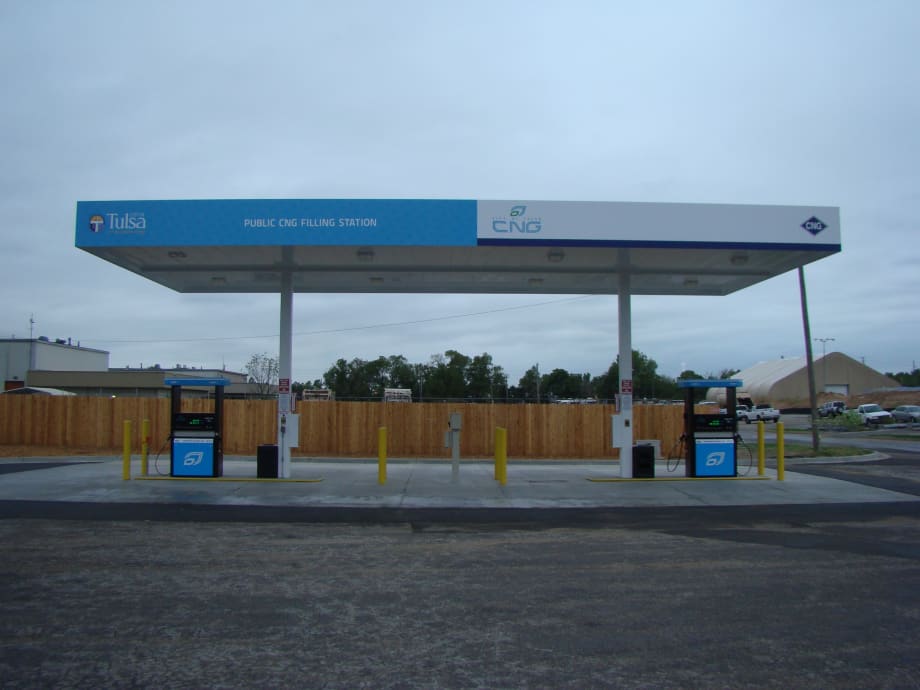
The City of Tulsa opened its new station to the public on Sept. 7.

3 min to read


The City of Tulsa opened its new station to the public on Sept. 7.

TULSA, OK – The City of Tulsa opened its third compressed natural gas (CNG) fueling station on Sept. 7. The new station is only open to the public, and CNG vehicles operated by the City will continue to be fueled at the two existing fueling stations. The third station is the last of a three-phase CNG fueling facility plan that began in 2006.

“We want to position ourselves in the market to help citizens,” said Brent Jones, equipment management director for the City of Tulsa. He referenced the growing use of CNG in the area. Additionally, he stated that refuse collection would soon be entirely outsourced, and the company with the contract would be required to transition to CNG vehicles. The City’s station is the sixth public station in Tulsa.

According to Jones, construction of the three facilities cost $1.068 million. The City received $300,000 in federal grants and $177,000 in funding from the Tulsa Authority for the Recovery of Energy (TARE); the remaining construction cost was funded by the City.

All three stations are located within 125 yards of each other, at the City’s West heavy maintenance yard near downtown Tulsa. They are connected to two compressor stations, which means that if one is turned off for maintenance, fuel can still be supplied.

The new station, which uses the FuelMaster card system, consists of a fast-fill dispenser with four hoses, one of which is a high flow for heavy equipment. The rest are standard 3,600 PSI hoses. The two stations reserved for City vehicles, one of which is a fast-fill and the other a slow-fill, are currently used to fuel the City’s 21 CNG vehicles. These vehicles include 15 Honda Civic GX sedans, five refuse trucks, and one bi-fuel CNG Chevrolet Impala.

One of the City of Tulsa's CNG vehicles is this Impala bi-fuel motor pool car.


In addition to the 21 CNG vehicles already in the fleet, the City is looking to convert 10 Ford Ranger pickup trucks to be used by water meter inspectors. It is also in the process of purchasing an additional 10 full-size pickup trucks, most likely bi-fuel vehicles, and six dedicated CNG refuse trucks. While the City is outsourcing its remaining refuse collection services, it is bringing back the recycling program in house, and it will continue to collect “green waste.” Jones said he expects by early 2013, there will be a total of 47 CNG vehicles on the road.

Jones said the cost of CNG for the City is currently less than one-third the cost of gasoline and diesel. With vehicles that consume approximately 2.2 million gallons of gasoline and diesel annually, the City will save a significant amount in fuel costs. Vehicles currently consume about 4,000-5,000 gallons of CNG per month.

This completes Tulsa’s current plans for CNG facility construction, but this isn’t the first time the City invested in CNG.

The City of Tulsa was named one of the 100 Best Fleets in 2012.

“The first time we encountered CNG was in 1992,” Jones recalled. The City built a CNG fueling station at that time, but CNG-fueled equipment back then was unreliable, and with the decrease in gas prices, “CNG lost traction,” Jones said. However, since injection technology for vehicles has improved, and the cost difference between CNG and petroleum fuel has increased significantly, the City began investing in CNG again in 2006. It dismantled the old fueling station, but reused the compressor station and other components, Jones said.

Brian Franklin, administration manager for the Equipment Management Department, worked with Jones and Tulsa Clean Cities to apply for grant funding for the CNG projects. The City of Tulsa’s fleet was named among the 100 Best Fleets in 2012.

By Thi Dao

More Green Fleet

SponsoredFebruary 6, 2026

Hybrids: Electrification Without the Challenges

Hybrids bridge the gap between ICE vehicles and EVs, making them a smart choice for fleets that want to reduce emissions but aren’t ready to fully electrify. Hybrids, which are powered by internal combustion engines and electric motors, capture the benefits of electric power without the barriers many organizations find challenging.

Read More →
Green Fleetby Bob StantonJanuary 21, 2026

Flavor of the Decade: What if BEVs Aren’t the Answer?

A look at the present state of play in the EV market, plus a 2027 heavy truck emissions update.

Read More →
Ad Loading...
SponsoredJanuary 19, 2026

3 New Ways Fleet Software Pays: ROI opportunities for modern fleet managers

Public fleets face constant pressure to do more with limited budgets. This eBook outlines how modern fleet software helps agencies extend asset life, reduce unplanned downtime, and improve safety by automating maintenance, using smarter video insights, and unifying fleet data. A practical look at how technology can drive measurable ROI for taxpayers.

Read More →
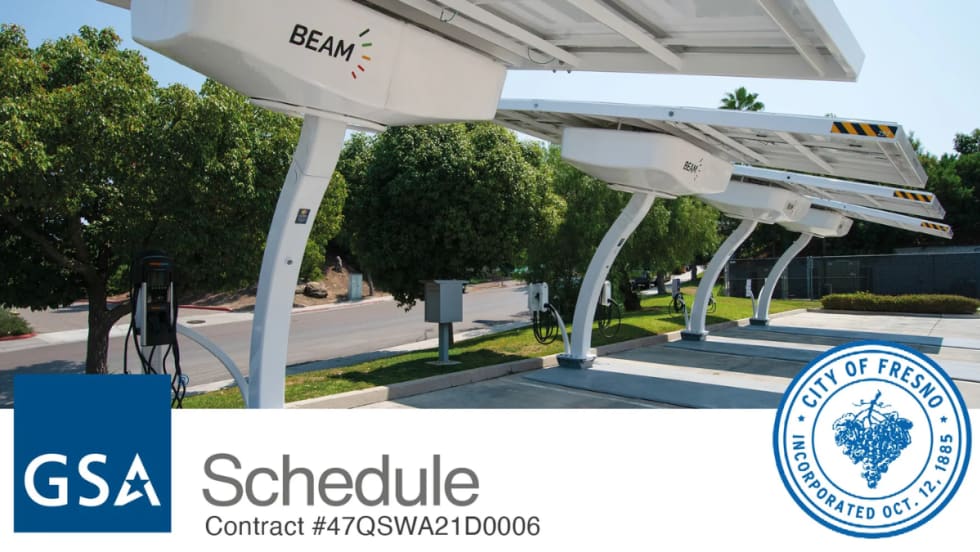
Off-grid Beam Global EV ARC charging systems installed at the City of Fresno Municipal Service Center Yard, featuring solar canopies and EV chargers used by the city’s electric vehicle fleet.
Green Fleetby News/Media ReleaseJanuary 12, 2026

City of Fresno Deploys Beam Global EV ARC Off-Grid EV Charging Systems to Support Municipal Fleet Electrification

The City of Fresno deployed off-grid EV charging systems to support municipal fleet electrification without relying on utility grid connections.

Read More →
Green Fleetby Staff WriterDecember 8, 2025

City of Quincy Partners with Cero Global to Launch Pilot to Reduce Emissions, Fuel Costs

The pilot will use Cero Global’s technology on city-owned vehicles to evaluate its impact on emissions and fuel consumption, as well as potential savings in municipal operating costs.

Read More →
Ad Loading...
SponsoredDecember 5, 2025

The Road to Smarter Electric Van Transitions: A practical roadmap for integrating electric vans into your fleet

Electric vans are becoming a strategic tool, not just a sustainability move. Get a roadmap that breaks down costs, charging planning, upfit compatibility, and what fleets should evaluate before making the switch.

Read More →
Small blue car with a green leaf and an electric plug.
Green Fleetby Staff WriterDecember 1, 2025

New Mexico Signs Agreement Advancing Electrification and Grid Resilience Efforts

The City of Socorro signs a new agreement to accelerate electrification and infrastructure development.

Read More →
UGI Energy Services logo over an image of a CNG trash compactor truck, representing Philadelphia’s move to fuel refuse vehicles with renewable natural gas.
Green Fleetby News/Media ReleaseDecember 1, 2025

UGI Energy Services and The City of Philadelphia Announce Biofuel Agreement

Philadelphia is shifting its trash collection fleet toward cleaner operations with a new partnership that will power 35 CNG compactors using renewable natural gas sourced from regional landfills.

Read More →
Ad Loading...
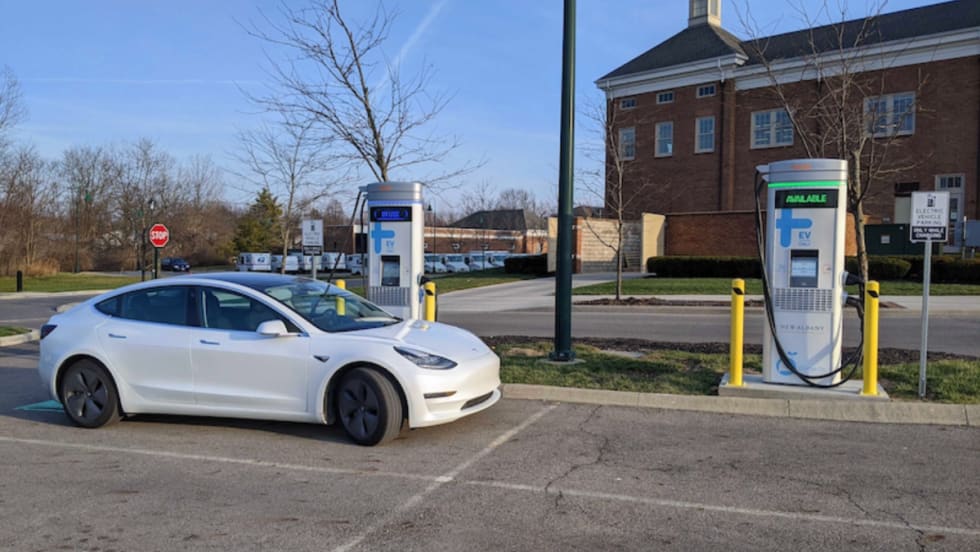
An electric vehicle charges at a public EV charging station outside a municipal building.
Green Fleetby News/Media ReleaseNovember 17, 2025

Sourcewell Awards ChargePoint New EV Charging Contract

ChargePoint secures a new Sourcewell contract to expand access to EV charging for public agencies across the U.S. and Canada.

Read More →