


 MENU
MENU SEARCHMENUSEARCH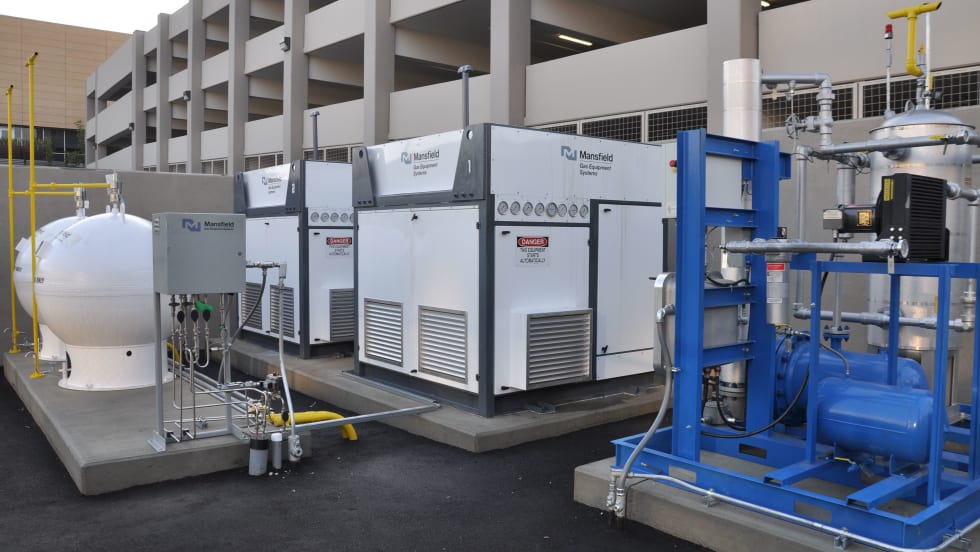
The City of Beverly Hills, Calif., recently opened its new compressed natural gas (CNG) fueling station. The new station will fuel the City’s growing fleet of CNG vehicles, which now includes four new refuse trucks.
Read More →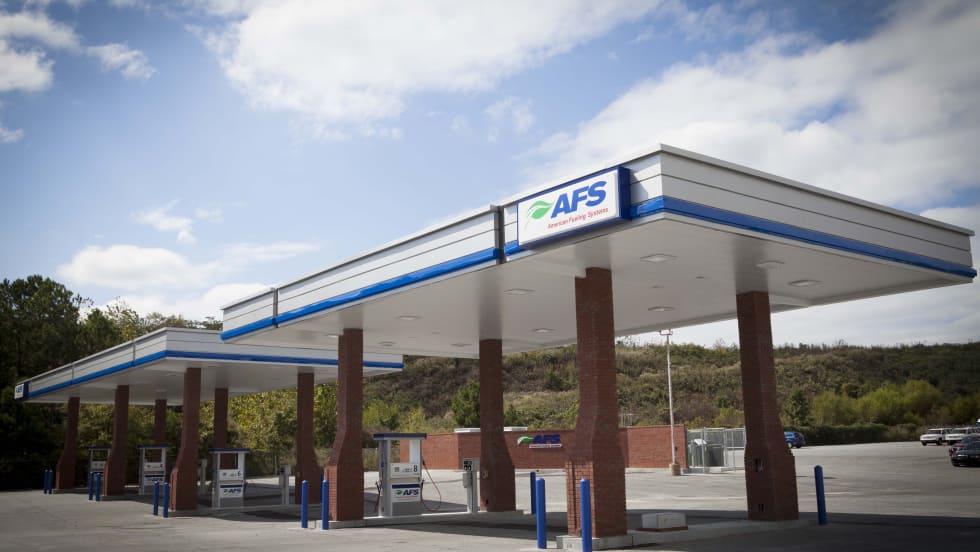
DECATUR, GA – The first new station is located at the Seminole Road Landfill in Ellenwood, Ga. and opened on Oct. 10, and the second one is a public fueling station operated by American Fueling Systems (AFS) that opened on Oct. 11.
Read More →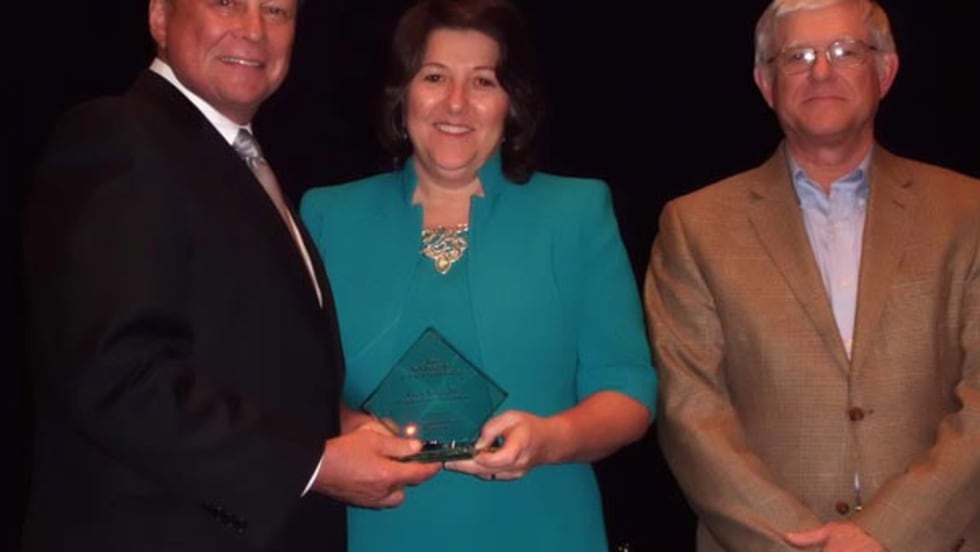
NASHUA, NH – The City of Nashua, N.H., was recognized by the Natural Gas Vehicle Association (NGVA) for its natural gas program for its City fleet vehicles.
Read More →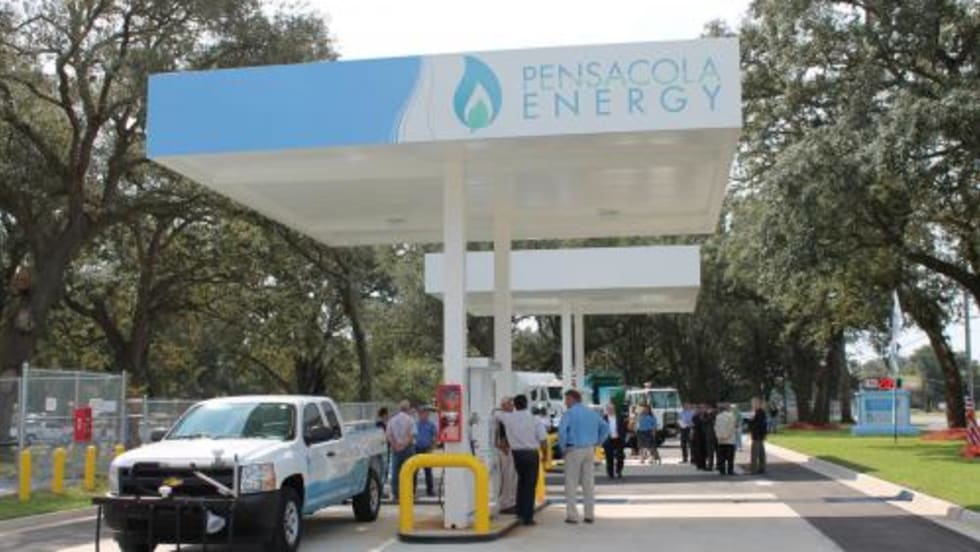
PENSACOLA, FL - The City and utility plan to fuel 80 of their CNG fleet vehicles at the station. The station has four fast-fill hoses and 90 time-fill dispensers.
Read More →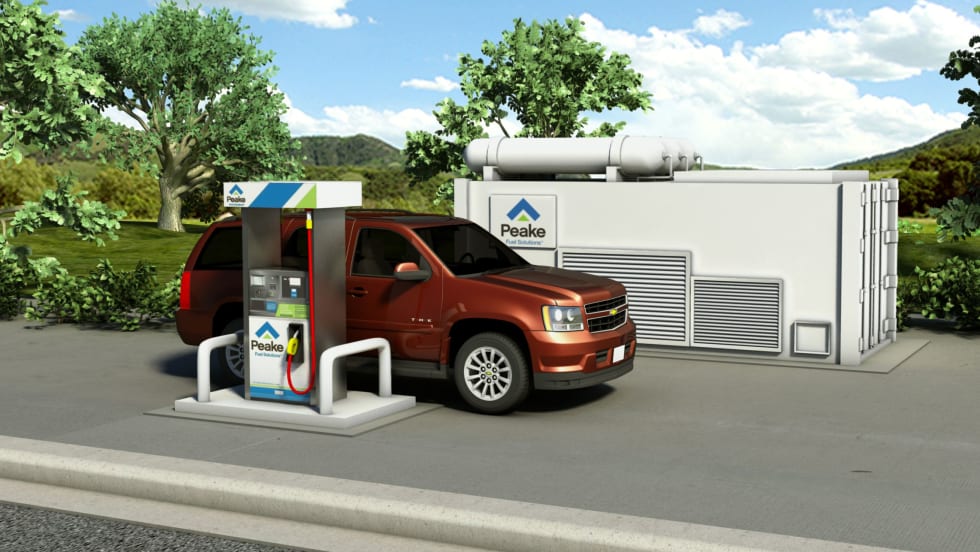
LAS VEGAS - The CNG In A Box system, measuring 8 feet by 20 feet, is a plug-and-play on-site fueling solution that compresses natural gas from a pipeline into CNG on-site at a fueling station.
Read More →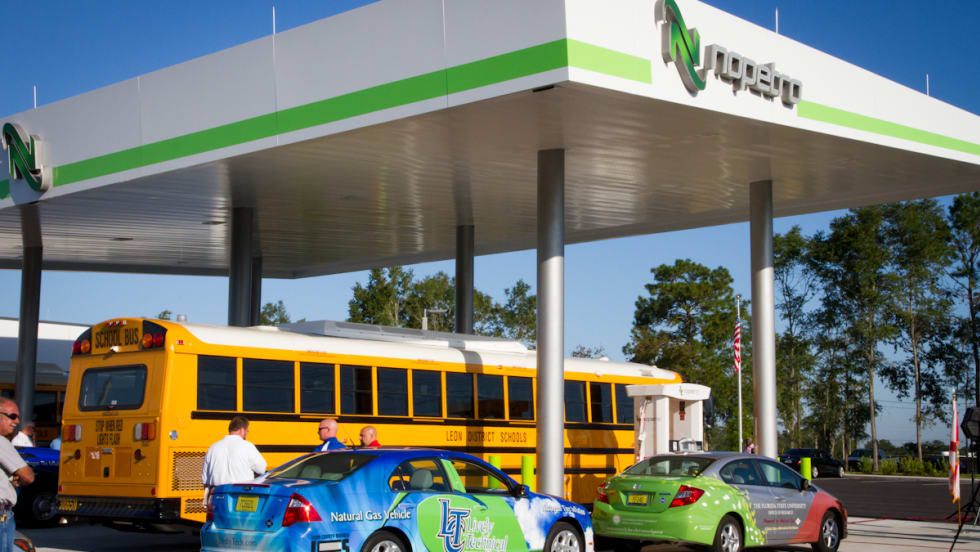
Nopetro LLC opened its first compressed natural gas (CNG) fuel station in Tallahassee, part of a planned regional network that will allow area fleets to convert to CNG.
Read More →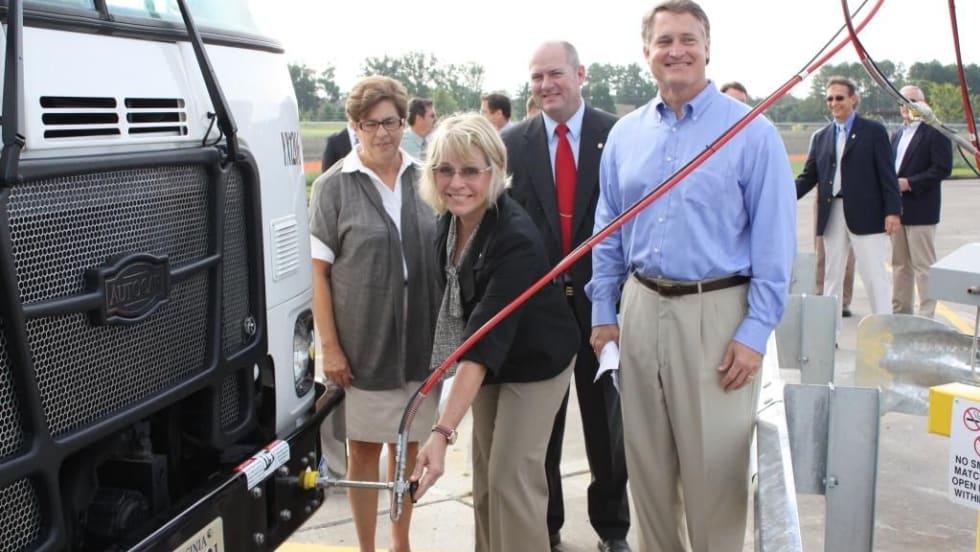
CHESAPEAKE, VA – The City celebrated its "First Fueling" on Sept. 7. Chesapeake currently owns 17 CNG waste trucks and has plans to convert its entire 53-truck waste fleet over the next six years.
Read More →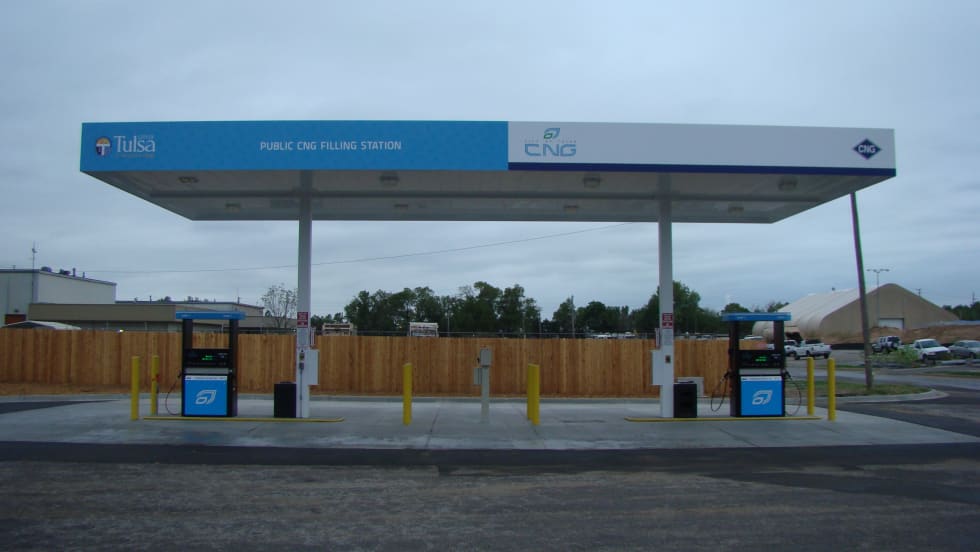
TULSA, OK – The City of Tulsa opened its third compressed natural gas (CNG) fueling station on Sept. 7. The new station is only open to the public, and CNG vehicles operated by the City will continue to be fueled at the two existing fueling stations.
Read More →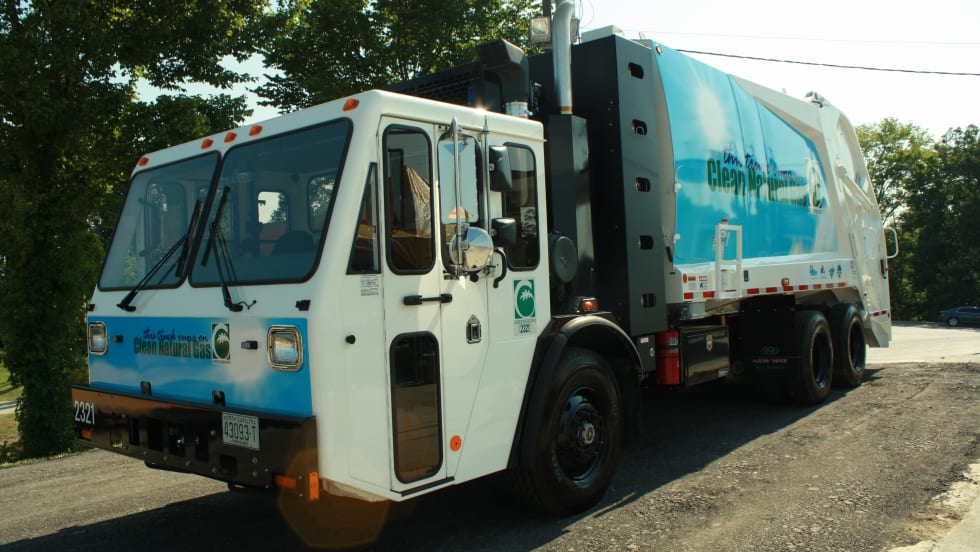
GREENSBORO, NC - The City of Greensboro, N.C., celebrated the opening of a compressed natural gas (CNG) fueling station and unveiled two City-owned CNG recycling trucks purchased with ARRA funding.
Read More →SACRAMENTO, CA - Two school districts received funds for natural gas fueling facilities, and the rest of the funds go toward “buy-down” incentives to pay the difference between conventional vehicles and an alternative-fuel model.
Read More →