


 MENU
MENU SEARCHMENUSEARCH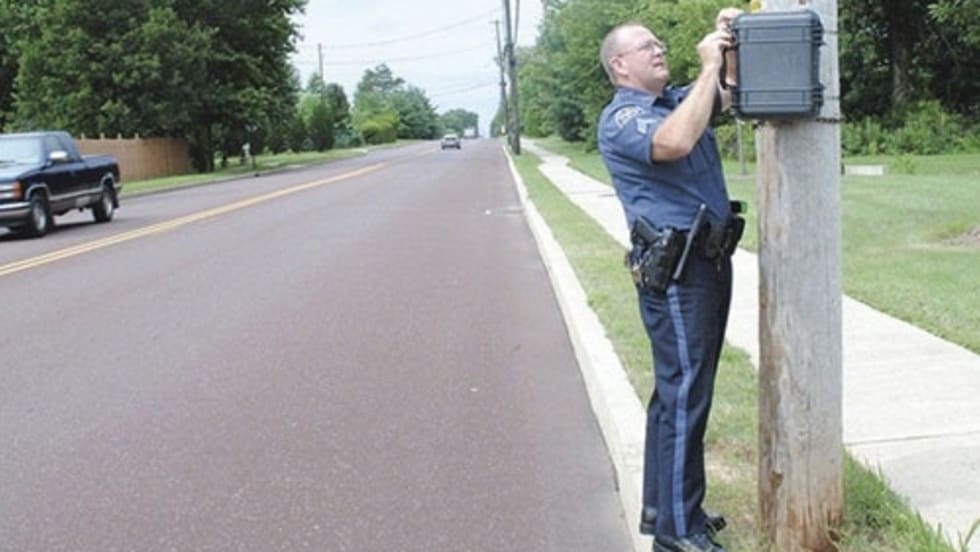
Measuring and reducing your carbon footprint is possible even on a shoestring budget.
Read More →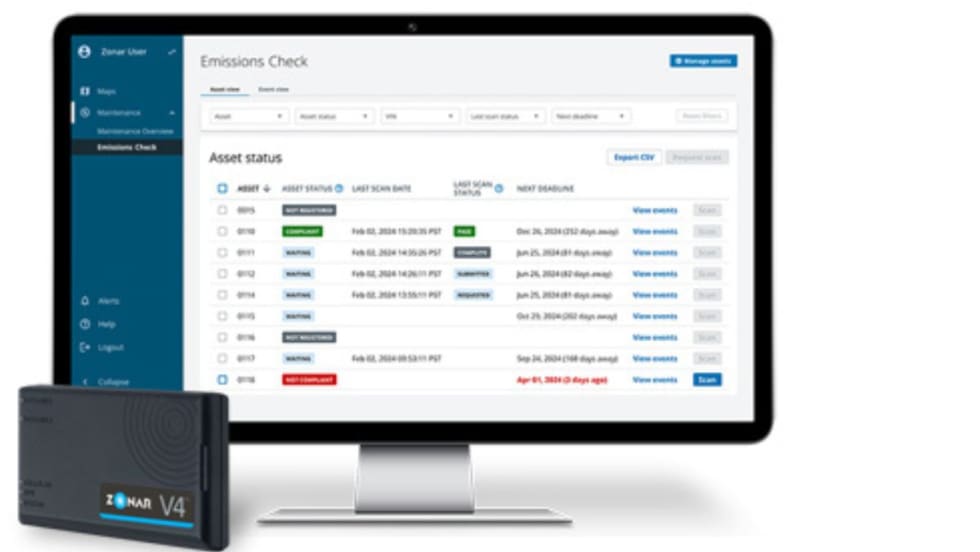
The new solution aims to reduce downtime and identifies vehicles that need emissions-related repairs.
Read More →
After nearly two years of work, the city of Cape Canaveral has received its LEED Silver certification from the U.S. Green Building Council's LEED for Cities and Communities program.
Read More →
Upcoming regulations targeting public sector diesel-powered trucks from 2027 mean fleet managers should be proactive by formulating a procurement strategy that will work for the entity’s benefit.
Read More →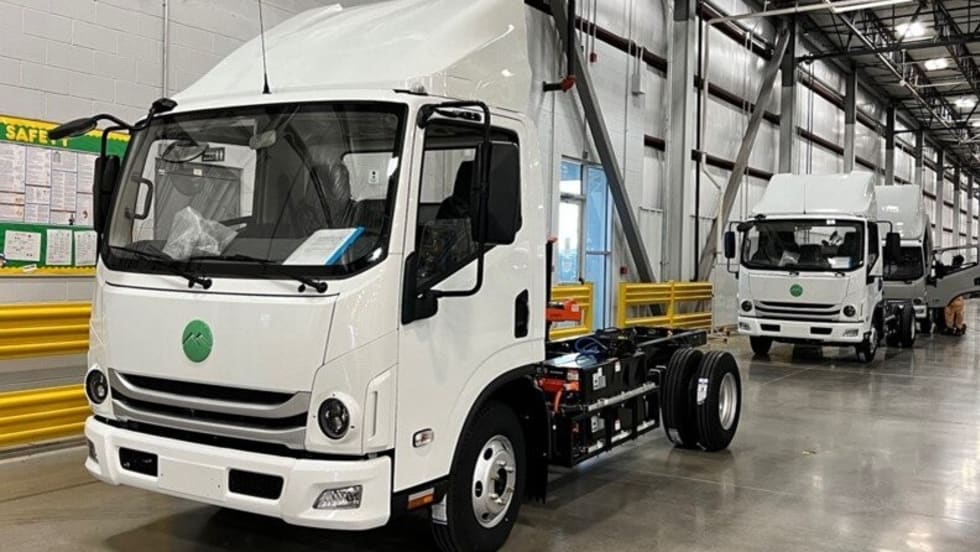
The recent Advanced Clean Fleets regulation requires state and local government fleets, including city, county, special district, and state agency fleets, to ensure 50% of vehicle purchases are zero-emission beginning in 2024 and 100% of vehicle purchases are zero-emission by 2027.
Read More →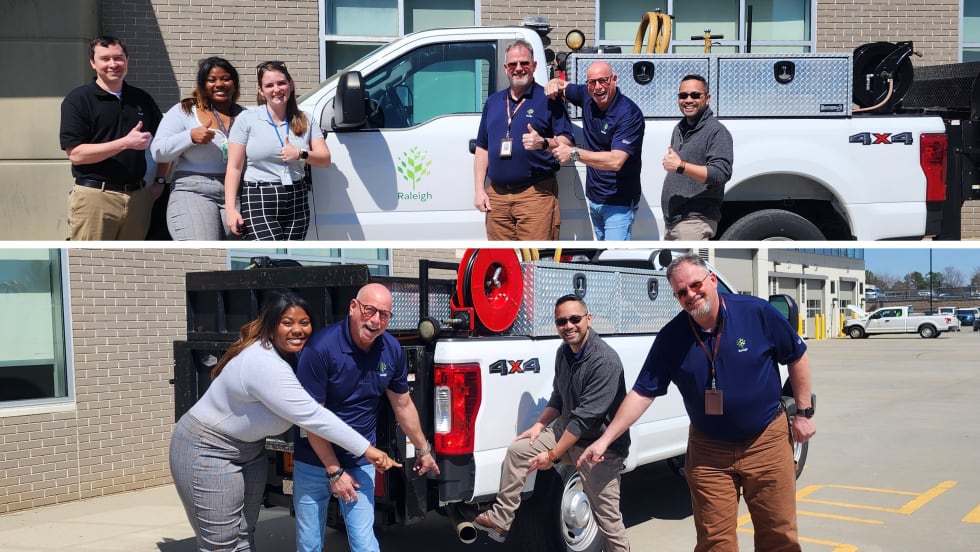
Learn about the city of Raleigh's initiative to reduce idling within its fleet, aiming for substantial cost savings and environmental benefits, signaling a shift in future operations.
Read More →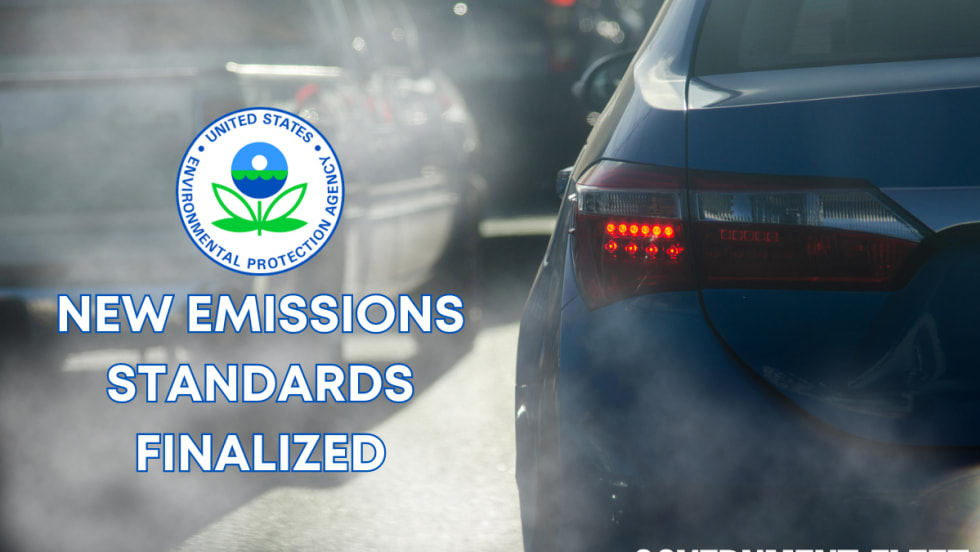
The new standards are expected to lead to $62 billion in reduced annual fuel costs, as well as maintenance and repair costs for drivers and fleets. They are also expected to lead to cleaner air quality for fleet drivers.
Read More →
Under the law, by 2030, all procurements for the city’s administrative fleet – comprised of light-duty, standard-occupancy vehicles – will be required to be zero emission vehicles, mostly likely all electric.
Read More →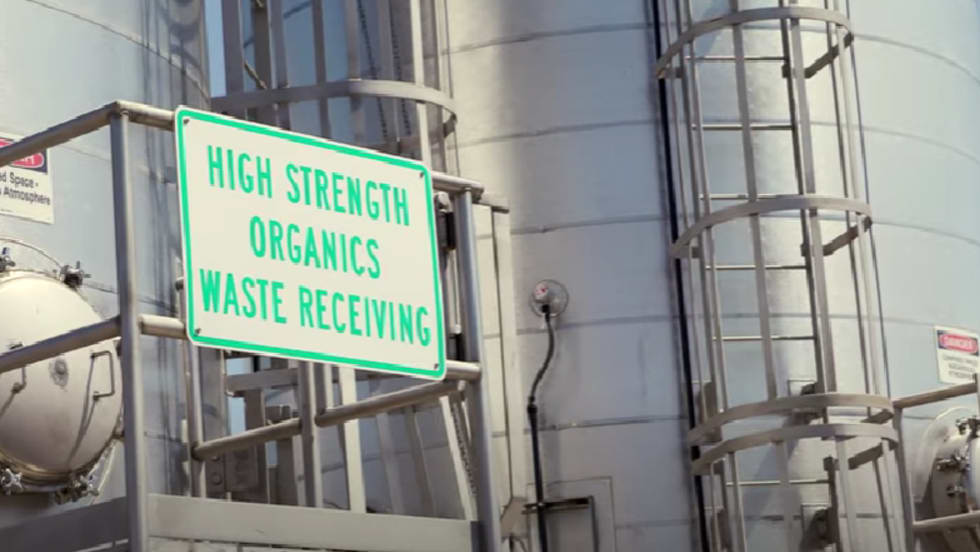
The city of Roseville, California, is working to decrease greenhouse gas emissions and minimize landfill waste by powering its trash and recycling fleet with renewable fuel.
Read More →
With many fleets still trying to work through supply chain shortages, technician recruiting, and government regulations, even staying on top of everyday fleet needs can be a challenge.
Read More →