![[|CREDIT|]](https://assets.bobitstudios.com/image/upload/f_auto,q_auto,dpr_auto,c_limit,w_920/pm.lookingbk_2009_sz_1759887003366_umfqxd.jpg)
When a vehicle has surpassed its useful life for your fleet, it has one more job to do for your fleet: provide resale revenue through remarketing.
If you’re new to the concept — or want ideas to refresh your existing remarketing
program — these tips will help you sell vehicles quickly and maximize their resale value.
1. Set goals
Different fleets may have different remarketing goals. These include:
Getting the highest price for used fleet vehicles.
Getting the vehicle off their lot as fast as possible.
Selling the vehicle with minimal time spent remarketing it.
A combination of these factors.
Deciding which goal(s) you’ll focus on is the best place to start and will guide the
choices you make as you develop your remarketing strategy.
2. Purchase a Common Color
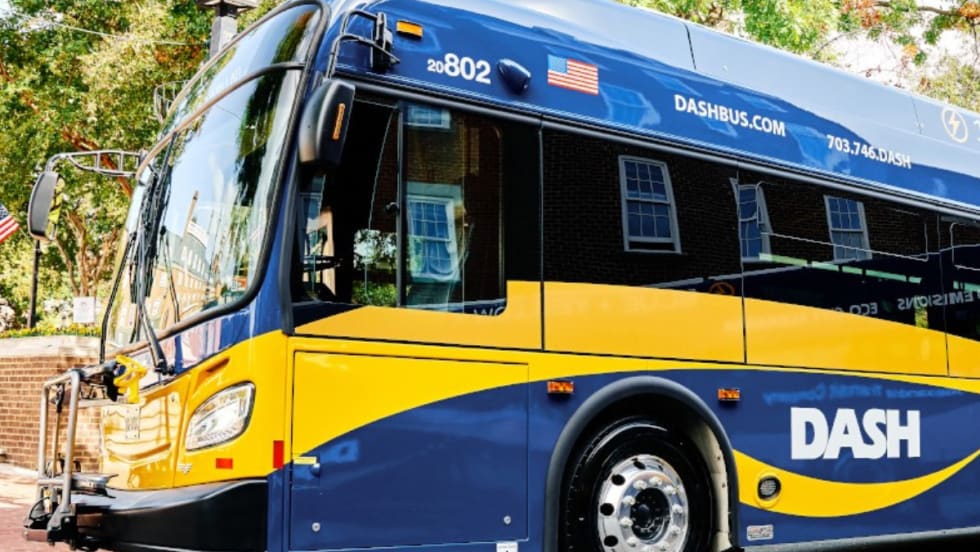
Regardless of the goal you choose, you’ll want to think about how well a vehicle will sell before you buy it. For instance, purchasing vehicles with a loud exterior color can hurt their chances of a fast or profitable sale, so choosing a common color is a good rule of thumb.
If your vehicles require a branded paint color or decals, it can pay off to remove decals
and give vehicles a new paint job. Another option is to purchase vehicles with a neutral exterior, then invest in a vehicle wrap to meet the brand standards of your organization.
3. Research Market Trends
Two major factors that influence sale price and speed are pricing vehicles appropriately and reaching the right audience. Staying up to date on where your vehicles are in demand and how similar makes/models are priced can help you find the right market and set competitive prices.
4. Provide Drivers a List of “Dos” and “Don’ts”
A vehicle that is smelly, damaged, or dirty won’t be attractive to buyers. Drivers
ultimately control the condition of their vehicle, so give them guidance on proper vehicle care. These may include the following:
Don’t
Smoke in the vehicle.
Allow pets to ride along.
Eat or drink in the vehicle (except water).
Ignore damage.
Idle excessively.
Do
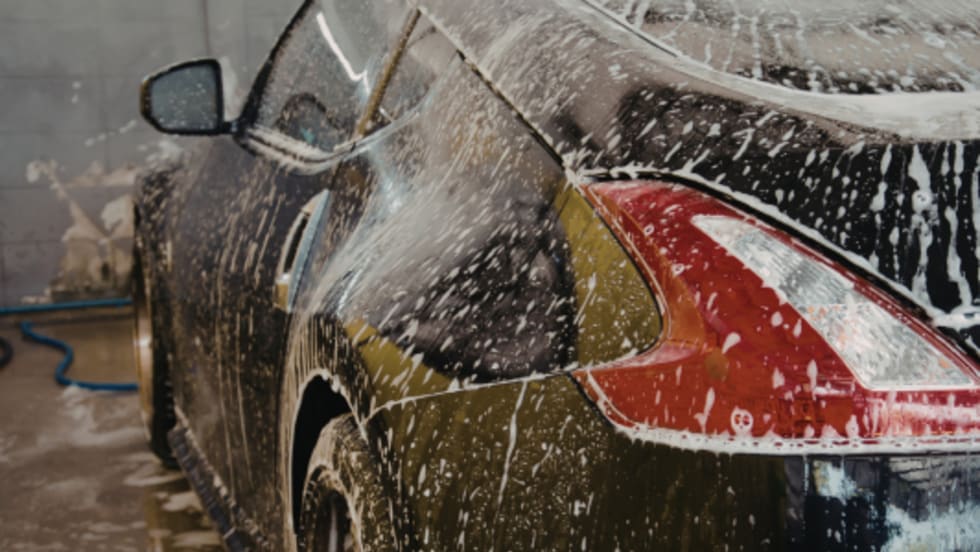
Wash vehicles regularly.
Keep the interior free of dirt and debris.
Take vehicles in for maintenance on time.
Inspect the exterior for damage daily.
Report damage immediately.
Treat the vehicle as if it’s your own.
If your drivers tend to be tough on the interior of their vehicles, consider investing in seat covers; it’s an affordable way to keep the interior in good shape and get a higher resale value.
5. Sell Vehicles to Employees
Many fleets develop programs that allow drivers the first right of refusal to purchase
their fleet vehicle. Employee sales program have many benefits, including:
Incentivizing employees to keep the vehicle in good condition. If employees know they will have the opportunity to purchase the vehicle, they’re more likely to treat it like it’s their own. Even if the employee doesn’t purchase the vehicle in the end, this will still benefit the next owner and your resale value.
Determining the exact sale date. With other remarketing avenues, you may not know how long it will take to sell a vehicle. With an employee sales program, you pick the date and inform the buyer.
Reducing days to sell. Your days to sell should be minimal. Aside from any reconditioning you perform, an employee will likely drive the vehicle until they purchase it.
Providing an additional employee benefit. Employees see getting the chance to purchase a vehicle as a benefit for themselves and/or their family members, which can be a boost to employee satisfaction.
An employee purchase program doesn’t have to be limited to drivers. If the driver declines, establish a way to offer the vehicle to other employees.
6. Provide Service History Documentation
Fleet managers and buyers alike should know that a well-maintained vehicle performs
and lasts longer than one that isn’t. Documenting all maintenance and repairs
performed on the vehicle and providing that documentation to potential buyers can be
the reason they select your vehicle over another.
7. Recondition the Vehicle
Used vehicles are new to their buyers, so vehicles that look, feel, smell, and sound like new are more likely to sell quickly and at a higher price. Just like in real estate, most people don’t want to purchase a project.
Taking time to recondition the vehicle is typically worth the effort. Reconditioning can
include:
Detailing the vehicle inside and out
Making mechanical repairs
Fixing exterior damage
Inspecting the vehicle for operable headlights, brake lights, turn signals and windshield wipers and repairing/replacing them if needed
Checking/changing oil and fluids
Rotating or replacing tires
Providing documentation of these services is also attractive to prospective buyers who
want to know the vehicle they purchase won’t have any hidden issues. It will be up to you to decide how much time and money you want to invest in reconditioning to yield the highest profit margin.
8. Lean Into the “Marketing” in “Remarketing”
When you go to sell a vehicle, providing the price and vehicle basics isn’t enough.
Putting effort into truly marketing the vehicle can make it more attractive to buyers.
Think of your listing as an advertisement for the vehicle that makes it stand out from the rest. Beyond the make, model, year, mileage, and condition — which are all a must — additional elements that will help include:
Service history
Fuel economy
Several photos/videos of the interior and exterior of the vehicle
A video of the running vehicle that lets buyers hear how it sounds
Safety equipment
Transmission type
Detailed description of the vehicle and its other features
9. Leverage Multiple Sales Outlets
Sticking to just one sales outlet limits your range of prospective buyers. Try selling via
multiple outlets, then track which perform best. These include:
Local auction
Online auction
Your website
Social media
Company intranet
Community websites, Facebook groups, or bulletin boards
Online market traders like AutoTrader or eBay Motors
Used car dealerships
10. Consider Consignment Sales
Some dealerships, fleet management companies, or other third parties will sell vehicles on your behalf. Although you’ll pay a fee or commission, you’ll benefit from the third party’s expertise on maximizing the return, broader audience reach, and convenience of having them do the work for you.
11. Ask for Feedback
If possible, request feedback from your buyers about their experience and vehicle. They may provide input that can help you refine future remarketing efforts.
12.Talk to Your Peers
Finally, fellow fleet managers or administrators can be the best sources of remarketing
wisdom. They’ve been there before and can provide advice on how to make your
remarketing program the best it can be.