Red Government Fleet with star logo
MenuMENU
SearchSEARCH

Bridging the Technician Gap with Military Partnerships

The Department of Defense SkillBridge program gives fleets the opportunity to recruit technicians from the military and provide up to six months of training, all at no cost.

September 14, 2022
Bridging the Technician Gap with Military Partnerships

During their last 180 days of service, service members can participate in on-the-job training, apprenticeships, or internships with civilian organizations. Here, Air Force Vehicle Management Airmen are performing a battery test.

4 min to read


Unless you solely outsource fleet maintenance and repairs, you’re likely quite familiar with how difficult it is to recruit technicians. Between skilled technicians retiring and competition with dealerships and other commercial shops, it can be hard for fleets to bring on new talent.

But what if government fleets could recruit technicians from the government? MSgt Steffan Gray, vehicle management superintendent for the U.S. Air Force stationed at Yokota AB, Japan, explains how the military can be a wellspring of potential technician talent.

Trying Out Talent for Free
(Photo: Point Blank Enterprises)

Service members participating in SkillBridge continue to receive their military compensation and benefits, and industry partners provide the training and work experience. Here, an Air Force Vehicle Management Airman in the program works on a hydraulic cylinder rebuild.

Each year, roughly 200,000 members of the U.S. Armed Forces, stationed in more than 140 military installations in the U.S. and overseas, will leave active duty and re-enter the civilian workforce or pursue higher education. Civilian organizations, including fleets, have the opportunity to access this talent pool through the Department of Defense SkillBridge program.

To ease service members’ return to civilian life, SkillBridge connects them with industry partners in real-world job experiences. During their last 180 days of service, service members can participate in on-the-job training, apprenticeships, or internships with civilian organizations. Employers can craft SkillBridge programs to meet their specific workforce needs while benefiting from the skills, experience, and work ethic service members bring to the table.

Even better, service members participating in SkillBridge continue to receive their military compensation and benefits, and industry partners provide the training and work experience. For fleets, that means military personnel can train to be shop technicians for up to six months at no cost to the fleet. After the training period ends, SkillBridge industry partners have the option to hire the service member.

“U.S. military members are considered some of the most highly trained, disciplined, and motivated members in our society,” Gray says. “Most military members enter the service with zero knowledge in the skill the military needs them to perform, but they are willing to learn and perform at the highest level. This commitment can also be harnessed by fleet managers to gain amazing employees after the SkillBridge program has ended.”

Why Military Recruits Are a Good Fit for Fleets

In addition to the drive and work ethic the military instills in service members, Gray says the specific training SkillBridge participants receive during service equips them with the skills needed to learn a new trade quickly.

“Members that are eligible for SkillBridge have been in the military for at least a few years. Each service branch is different in when members start to become leaders, but every member, regardless of their position, is taught to be a follower,” Gray explains. “Depending on how long the service member has been in the military, they will have received continuing education in leadership, quality control/improvement, as well as communication skills/concepts.”

[|CREDIT|]

The training SkillBridge participants receive during service equips them with the skills needed to learn a new trade quickly. Here, an Air Force Vehicle Management Airman is about to perform a scheduled maintenance service on a pickup truck.

Although SkillBridge participants may not have any automotive training, Gray said service members still have great potential to be valuable additions to a shop.

“Every branch has an automotive type of job, but just because a military member didn’t work on vehicles doesn’t mean they can’t become amazing technicians,” he said. “Military members requesting to do their SkillBridge with a particular place may not have a background in that field, but the drive and dedication they have will allow them to learn the job.”

How to Participate in SkillBridge

According to the SkillBridge Provider Handbook, SkillBridge programs come in all shapes and sizes, but most industry partners share the following characteristics:

  • Have clearly defined job training and career development programs designed to enhance opportunities for participating service members.

  • Can demonstrate a high probability of a job placement for service members at the program’s end.

  • Support “in demand” industries or occupations with opportunities for professional advancement beyond initial employment.

Fleets that would like to develop a SkillBridge program as an industry partner should visit skillbridge.osd.mil and complete the information in the “How to Participate” section of the Interested Industry Employer or Agency page. Fleets can also visit the Contact Us page to ask questions and request more detailed information, and a member of the SkillBridge program will provide further details.

Once a fleet joins the program as an industry partner, its SkillBridge opportunity is posted on the SkillBridge website. Industry partners can also work with local installation support offices to spread the word about opportunities with their fleet.

Gray encourages fleets to participate, as the risk is low, but the potential reward is high. “Take the time and effort to apply for the SkillBridge program,” he says. “Take a chance on a military member for free, and if it doesn’t work out after 180 days, everyone can part ways. Eligible SkillBridge members have dedicated their lives to our nation. I challenge you to provide them with an ability to transition from military service to the civilian workforce.”

What Do Military Personnel Bring to a Fleet?

Enlisted military personnel reaching the end of their careers make good candidates for fleet shops as they transition to civilian life. Desirable skills include:

  • Strong work ethic

  • Highly trained

  • Disciplined

  • Motivated

  • Willing to learn

Enlisted vs. Officers

82% enlisted / 18% officers

The military distinguishes between enlisted and officer careers. Enlisted personnel make up about 82% of the Armed Forces and are trained to execute any job they are given.

What Does an Enlisted Service Member Do?

Some have jobs specific to the military, like fighter pilots or infantrymen, but many work in occupations

that also exist in the civilian workplace, like nurses, doctors, lawyers, and technicians.

Enlisted personnel activities:

  • Support military operations, including combat or training operations, or humanitarian or disaster relief

  • Operate, maintain, and repair equipment

  • Perform technical and support activities

  • Supervise junior enlisted personnel

Military Positions Most Applicable to Fleet Shops

  • Vehicle and machinery mechanical personnel conduct preventive and corrective maintenance on aircraft, automotive and heavy equipment, and powerhouse station equipment. Most relevant to fleet shops are:

    • ​Automotive and heavy-equipment mechanics maintain and repair vehicles, including Humvees, trucks, tanks, bulldozers and other construction equipment.

    • Aircraft mechanics inspect and service various types of aircraft.

  • Electronic and electrical equipment repair personnel maintain and repair electronic equipment used by the military. Repairers specialize in an area such as aircraft electrical systems, computers, optical equipment, communications, or weapons systems.

  • Machine operator and repair personnel operate industrial equipment and machinery to make and repair parts equipment and structures.

# of Active-duty Enlisted Personnel by Occupational Group

  • Vehicle and Machinery Mechanic: 161,506

  • Machine Operator and Production: 23,616

  • Electronic and Electrical Equipment Repair: 126,744

These job groups may have the most relevant skills for fleet shops, but service members with any type of military training will bring with them the training, discipline, and willingness to learn a new technician needs to be successful.

Subscribe to Our Newsletter

More Operations

Weekly cheat sheet reset button.
Operationsby Staff WriterFebruary 6, 2026

Is Fleet in a Reset Mode? | GovCast Shorts

On the go and want a snapshot of our top industry news? Check out Government Fleet's new video short of what's been happening.

Read More →
person at laptop taking survey.
Operationsby Staff WriterFebruary 6, 2026

Are You Paid Enough? Fleet Salary Study Open

Work Truck, Automotive Fleet, and Government Fleet have partnered to conduct a salary survey to determine the average salary for a fleet management position in commercial and public sector fleets.

Read More →
SponsoredFebruary 6, 2026

Hybrids: Electrification Without the Challenges

Hybrids bridge the gap between ICE vehicles and EVs, making them a smart choice for fleets that want to reduce emissions but aren’t ready to fully electrify. Hybrids, which are powered by internal combustion engines and electric motors, capture the benefits of electric power without the barriers many organizations find challenging.

Read More →
Ad Loading...
Image showing fleets dealing with budgets, data, and people for success.
Operationsby Nichole OsinskiFebruary 1, 2026

Fleet Performance Comes Down to People, Data, and Budgets

When it comes to the public sector, outcomes are usually driven by three areas fleet leaders can actually control, but it’s combining these into one operating model where operations see the most success.

Read More →
SponsoredFebruary 1, 2026

Why One Car Wash Wasn’t Enough For This Fleet

Limited wash locations can increase travel time, fuel costs, and admin work for fleets. Here’s how one government fleet expanded access and simplified operations.

Read More →
fleet image of check report and words cheat sheet.
Operationsby Staff WriterJanuary 30, 2026

Leading Fleets Lessons, Autonomous Policing, and the BEV Reality Check | The January Dispatch

To keep you in the loop, this episode is a quick reset on what mattered during the past month, from how to turn award season into a practical self-audit to what “leadership” looks like.

Read More →
Ad Loading...
image with the words read learn earn and a BBM star.
Operationsby News/Media ReleaseJanuary 29, 2026

Bobit Business Media Launches New Rewards Program for Industry Professionals

The new rewards initiative, B2X Rewards, is a gamified incentive program designed to increase engagement across BBM’s websites, eNewsletters, events, and TheFleetSource.com.

Read More →
Government Fleet's weekly cheat sheet for the end of January.
Operationsby Staff WriterJanuary 29, 2026

Cold Weather, EV Reality Checks, and What Fleet Leaders Are Doing Next | GovCast Shorts

On the go and want a snapshot of our top industry news? Check out Government Fleet's new video short of what's been happening.

Read More →
Image of man applying for leading fleets.
Operationsby Nichole OsinskiJanuary 28, 2026

Your Leading Fleets Application Can Do More Than Win an Award

Hear directly from this year's judges on what separates standout submissions and use their tips to submit a clearer, stronger application.

Read More →
Ad Loading...
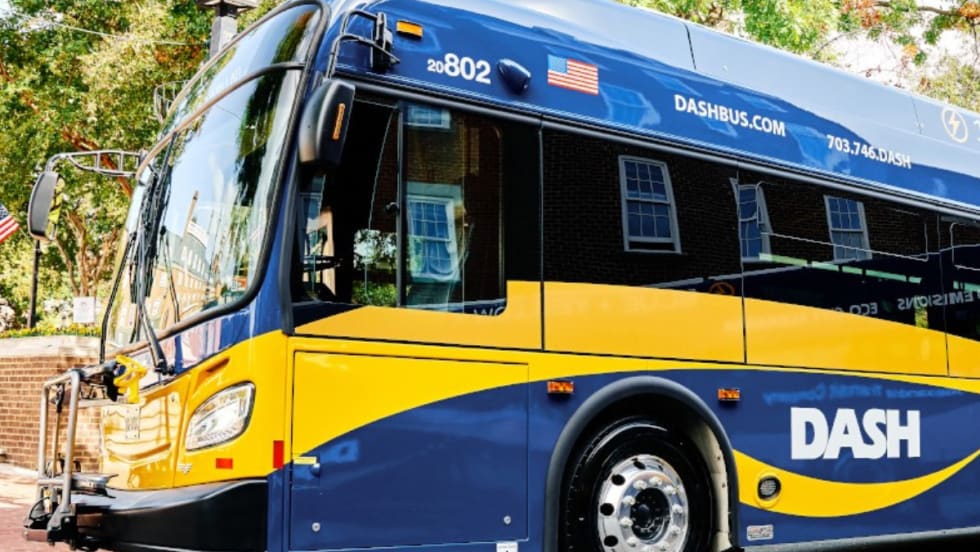
A DASH electric bus parked on a city street in Alexandria, Virginia.
Operationsby News/Media ReleaseJanuary 27, 2026

City of Alexandria's DASH Partners with ABM to Support EV Bus Charging Infrastructure

DASH is expanding its electric bus operations in Alexandria, Va., with new in-route charging infrastructure.

Read More →