Red Government Fleet with star logo
MenuMENU
SearchSEARCH

Embracing Technology to Reduce Police Fleet Emissions

The greening of police fleets is on the horizon, and Sgt. Jason Brake is taking action now to ensure a smooth transition — while facing budget constraints and keeping up customer service.

February 17, 2021
Embracing Technology to Reduce Police Fleet Emissions

As green mandates proliferate at both the state and federal levels, it’s important for various government entities to keep up.

4 min to read


Sgt. Jason Brake, fleet superintendent for the Denver Police Department in Colorado, loves working with new technologies and enjoys collaborating with fleet technicians to come up with ways to better serve citizens with innovative concepts in patrolling. Here are a few ways he’s running a leaner, greener fleet.  

Electrifying Wherever Possible

Adapting to and understanding changes in the fleet world is vital to assisting officers with their everyday duties. Staying stagnant and sticking with the same old, same old will stifle innovation that could lead to more effective ways of policing.

“Some technologies need a little finer tuning to work effectively in patrol functions, but overall admin and detective functions can be served well by PHEV/EV and alternative fuel vehicles,” he said.
Sgt. Jason Brake

As green mandates proliferate at both the state and federal levels, it’s important for various government entities to keep up. When it comes to patrol vehicles, Brake is looking forward to the discovery of enhancements that will enable EVs to run for multiple shifts on one charge, put out zero emissions, and still hit on all the other key points needed to be an effective patrol car, such as all-wheel drive, larger storage space, and more room in the rear passenger area.

Brake said he is always keeping his ear to the ground in search of new technologies to reduce carbon emissions and the overall footprint of the city’s fleet on the environment. With that, the department has implemented a water-based paint system in its body shop, which has greatly reduced the overall volatile organic compounds (VOCs) it creates.

“This has developed a safer work environment for our body shop technicians, fleet technicians, and the surrounding area, while still turning out an exceptional product,” he explained.

The fleet team is also investigating the use of more robust telematics software to help track data that will in turn help it optimize driver routes, cut time and fuel costs, ensure safety while driving, and offer better service to the customers it serves. Data related to braking and hard driving will help train officers and end users to improve their driving habits and therefore save on maintenance costs, repairs, and extend the overall life of the fleet.

A piece of technology Brake has implemented is called IdleRight, which helps with idle reduction in patrol vehicles. This allows officers to use all their emergency equipment without emitting excessive CO2 and saves on fuel costs for the year by decreasing fuel consumption.
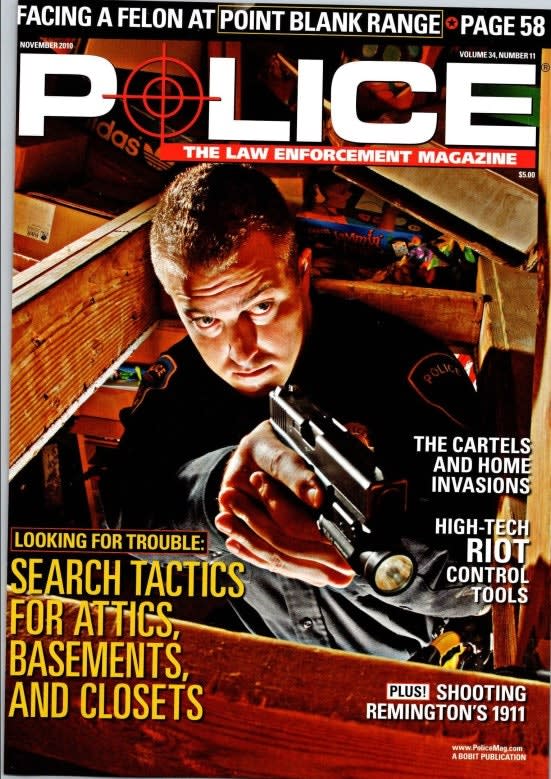
Police magazine cover featuring officer with handgun, discussing search tactics and law enforcement

Brake said he is always keeping his ear to the ground in search of new technologies to reduce carbon emissions and the overall footprint of the city’s fleet on the environment.

Credit:

Alex Landeen/Police

Saving Money During Tough Times

Facing budget constraints has been a challenge for Brake, a point many fleet managers would sympathize with. With the onset of COVID-19, the agency’s funding was vastly reduced. Brake has put in place many cost saving measures to try and extend use of the aging fleet for a few more years.

The department salvages many parts off older damaged or totaled vehicles, saving hundreds of thousands of dollars in repair costs. It also evaluates each vehicle in the fleet to determine if the vehicle can be replaced, reassigned, or removed entirely. Some of those options also come with replacement of a fossil fueled vehicle with a more environmentally friendly option, such as a plug-in hybrid or battery-electric vehicle, if feasible for the task.

“With these savings, we hope to get a few more years out of our patrol fleet and save the city millions in overall vehicle costs,” he explained.
The City of Denver has three independent fleets. Public Works (now known as the Department of Transportation and Infrastructure); the Denver Fire Department; and the Denver Police Department.

Communicating to Improve Collaboration

The City of Denver has three independent fleets. Public Works (now known as the Department of Transportation and Infrastructure); the Denver Fire Department; and the Denver Police Department.

“All of these have similar roles but have developed varied methods to reach the same end, which is excellent service to our customers and the customers they serve,” he said.

However, current challenges all these departments are facing are bridging some communication issues, dealing with data incompatibility, and other minor obstacles they have had to come back to the table to rectify.

This isn’t necessarily a bad thing, as it has kept the leaders of each department talking as a team. This, in turn, improves overall responses to crisis and events within the city.
Things I Wish I’d Known When I Started

  • Work with your customers to improve driving habits of end users. Track usage, cost per mile, etc., and educate them on proper care and maintenance of their mobile office. The more you can stay on top of this and correct bad driving habits, the longer your fleet will run, the less it will be down for maintenance and repairs, and your staff will become more efficient.

  • Consider a real-time telematics solution to improve your eye on the use, care, and operation of the fleet you are responsible for. Some of the strictly historically data driven responses and methods of tracking fleet usage are delayed too long and will come back to bite you. By the time you see the problem, it’s too late.

Subscribe to Our Newsletter

More Police

Policeby Jeanny RoaFebruary 4, 2026

Addressing Fueling Failures to Reduce Operational Risks

Working to eliminate errors and challenges and increase reliability during fueling, the Madison County Sheriff’s Office has implemented RoadFlex for its 37-vehicle patrol fleet.

Read More →
Policeby Nichole OsinskiJanuary 26, 2026

PUG: When Policing Goes Autonomous

How an uncrewed police ground vehicle is providing technical assistance to the Miami-Dade Sheriff’s Office through a pilot program with the goal of supporting officers and reducing crime through increased marked police presence.

Read More →
Policeby Staff WriterJanuary 20, 2026

Applications Open: 2026 Police Fleet Innovators Award

The Police Fleet Innovators Award is for fleet operations teams that have come up with innovative solutions to common problems in law enforcement fleets. Click for deadline details, plus an award FAQ.

Read More →
Ad Loading...
SponsoredJanuary 19, 2026

Basic Tracking vs Next Generation Fleet Technology

Fleet software is getting more sophisticated and effective than ever, tying big data models together to transform maintenance, safety, and the value of your existing tech stack. Fleet technology upgrades are undoubtedly an investment, but updated technology can offer a much higher return. Read how upgrading your fleet technology can increase the return on your investment.

Read More →
a bullet board with police pictures of vehicles plus handcuffs and police tape.
Policeby Nichole OsinskiDecember 26, 2025

Police Fleets in 2025: Stories That Defined the Year

What did police fleets actually wrestle with in 2025? We highlight the most impactful stories on vehicles, funding, technology, and operations, distilling the key takeaways for fleet and command staff.

Read More →
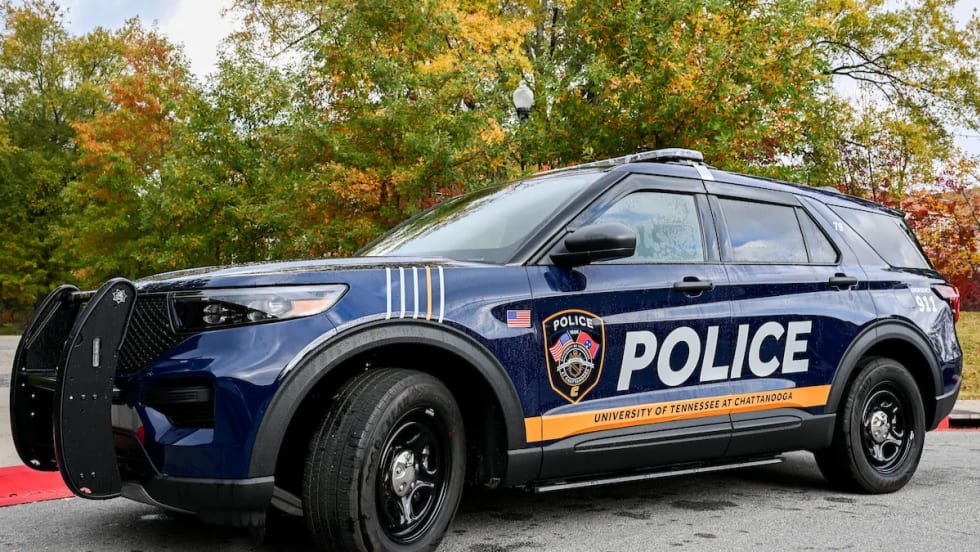
University of Tennessee at Chattanooga Police SUV parked outdoors, displaying updated blue-and-gold graphics, police markings, and university identification.
Policeby News/Media ReleaseDecember 24, 2025

New UTC Police Cars Hit the Campus Roads

The University of Tennessee at Chattanooga Police and Public Safety has updated the graphics and branding across its vehicle fleet.

Read More →
Ad Loading...
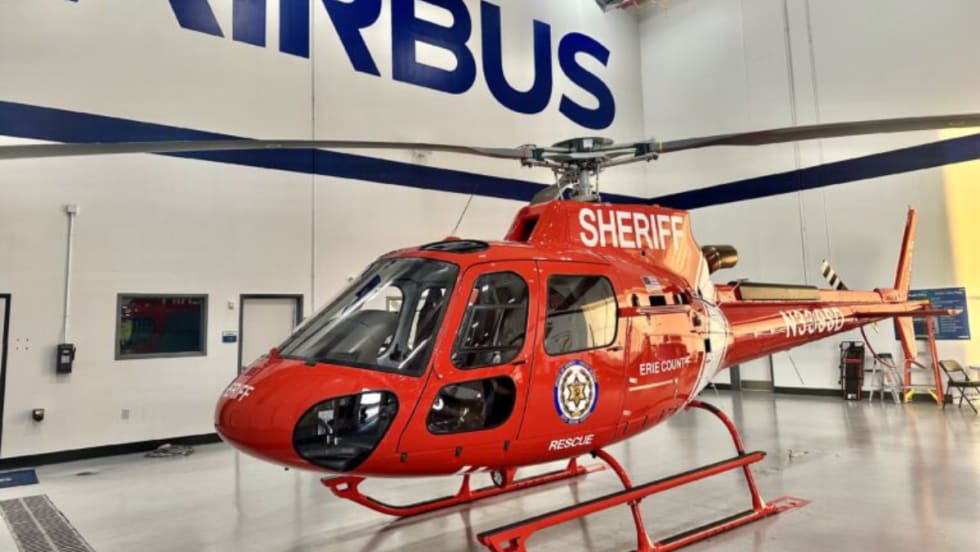
A newly delivered red Airbus H125 helicopter marked “Sheriff” and “Erie County” inside an Airbus facility.
Policeby News/Media ReleaseDecember 18, 2025

Davenport Aviation Delivers New Airbus H125 Helicopter to Erie County Sheriff’s Office

Erie County adds its first of two Airbus H125 helicopters, boosting aviation readiness and public-safety response capabilities.

Read More →
PoliceDecember 10, 2025

Weather Protection Strategies For Public Safety Fleets

How Mansfield PD addressed weather-related risks to its patrol vehicles, and what fleets need to know about planning and specifying protective structures for similar conditions.

Read More →
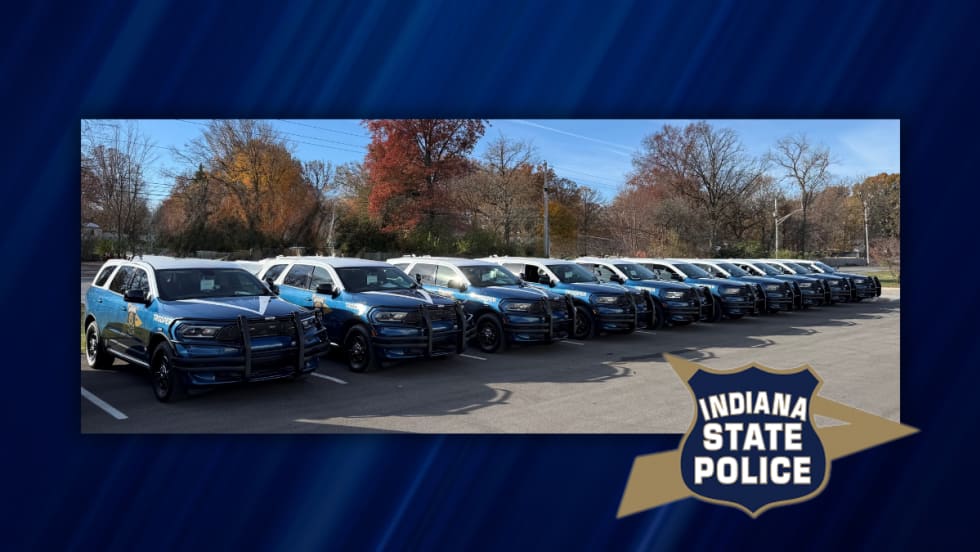
Row of newly designed Indiana State Police Dodge Durango patrol vehicles parked outdoors, marking the rollout of the new fleet design for graduating troopers.
Policeby News/Media ReleaseDecember 2, 2025

Indiana State Police Troopers Receive New Look Dodge Durango Patrol Vehicles

Indiana State Police rolls out its first fleet of newly redesigned Dodge Durango patrol vehicles as 20 probationary troopers from the 87th Recruit Academy begin service across the state.

Read More →
Ad Loading...
Policeby Staff WriterDecember 1, 2025

Michigan State Police 2026 Vehicle Testing Results

2025 MSP vehicle tests revealed standout police cars, from EVs to pursuit-ready SUVs.

Read More →