The BC 973 RB-5 and BC 1173 RB-5 refuse compactors feature the new Cummins X15 diesel engine, along with additional operator-comfort improvements.
by Daryl Lubinsky
November 29, 2021
Partnering with a U.S.-based engine manufacturer helps users avoid the downtime of having to wait for parts to be shipped from other countries, a benefit of the BOMAG equipment.
2 min to read
Soil, asphalt, and landfill compaction company BOMAG Americas released its BC 973 RB-5 and BC 1173 RB-5 refuse compactors, and among the new features is the new Cummins X15 diesel engine.
The engine provides high output torque along with BOMAG EcoMode, which continuously regulates the engine in relation to the current load at the speed required for the current performance. EcoMode reduces fuel consumption by up to 30%, and lower engine speeds reduce wear on the drive components and extend component wear and machine life, according to the company.
The 15-degree oscillating and articulation joint keeps all four wheels on the ground for maximum pushing force and optimized compaction.
Designing Purpose-Built Machines
Alex Papp, BOMAG manager, landfill products, said both refuse compactors are purpose-built machines, not ones that have been reinforced or upgraded to work on a landfill.
“Partnering with Cummins on the engine side allows us to continue our performance and reliability in the future, and that’s what government entities want,” Papp said. “They want the value for their money, because that’s tax dollars and other public funds going into the landfills, and that’s return on investment that they need.”
BOMAG also moves to a U.S.-based engine manufacturer with its choice of Cummins, helping users avoid the downtime of having to wait for parts to be shipped from other countries.
Additional new features include a hydraulically operated engine hood and high air intake, and an updated display monitor.
The new cab design features a larger seat, more spacious cab, and dual joysticks for machine control, which can leave the operator’s feet free from fatigue of the repetitive stop-and-go motion. Open grating allows operators to clean their boots off more easily before getting into the cab.
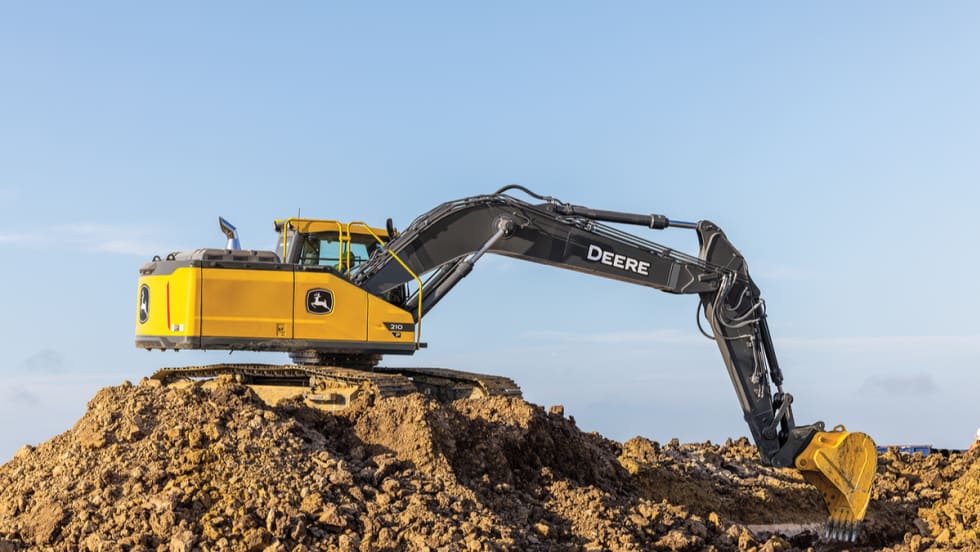
John Deere’s new P-Tier midsize excavators focus on operator comfort, safety, and jobsite performance, with updated cab design and integrated technology for heavy-duty applications.
Limited wash locations can increase travel time, fuel costs, and admin work for fleets. Here’s how one government fleet expanded access and simplified operations.
Fleet software is getting more sophisticated and effective than ever, tying big data models together to transform maintenance, safety, and the value of your existing tech stack. Fleet technology upgrades are undoubtedly an investment, but updated technology can offer a much higher return. Read how upgrading your fleet technology can increase the return on your investment.
Public fleets face constant pressure to do more with limited budgets. This eBook outlines how modern fleet software helps agencies extend asset life, reduce unplanned downtime, and improve safety by automating maintenance, using smarter video insights, and unifying fleet data. A practical look at how technology can drive measurable ROI for taxpayers.
Electric vans are becoming a strategic tool, not just a sustainability move. Get a roadmap that breaks down costs, charging planning, upfit compatibility, and what fleets should evaluate before making the switch.
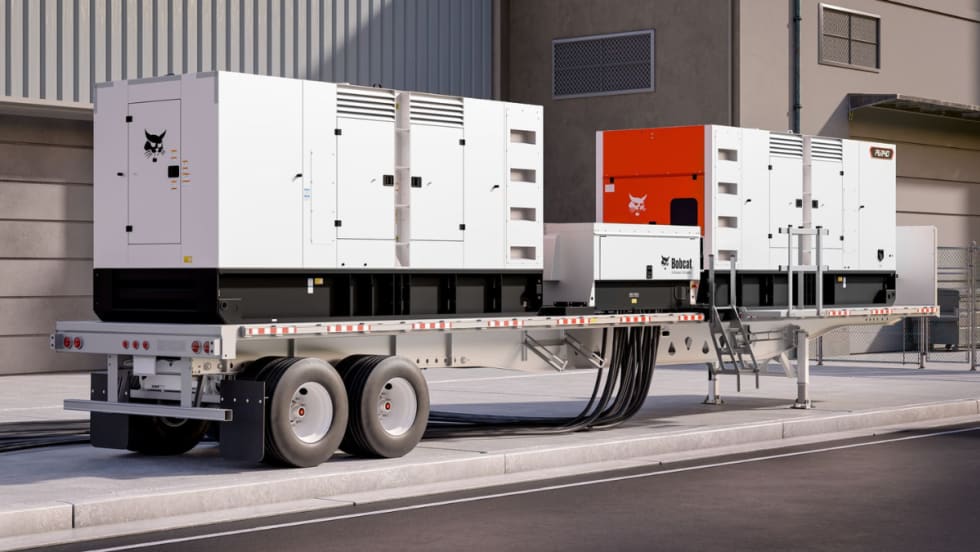
Bobcat Company has introduced the PG1140, a high-output portable generator designed to simplify fleet power logistics with expanded capacity and longer runtimes.
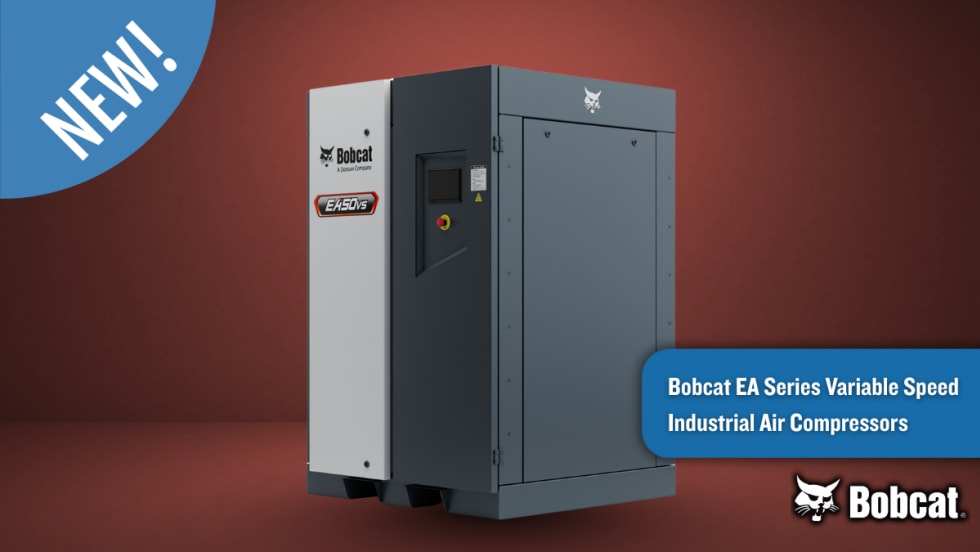
Bobcat Company expands its industrial air lineup with the new EA Series variable speed compressors, designed to deliver high efficiency, smart controls, and reliable performance for demanding fleet and facility operations.
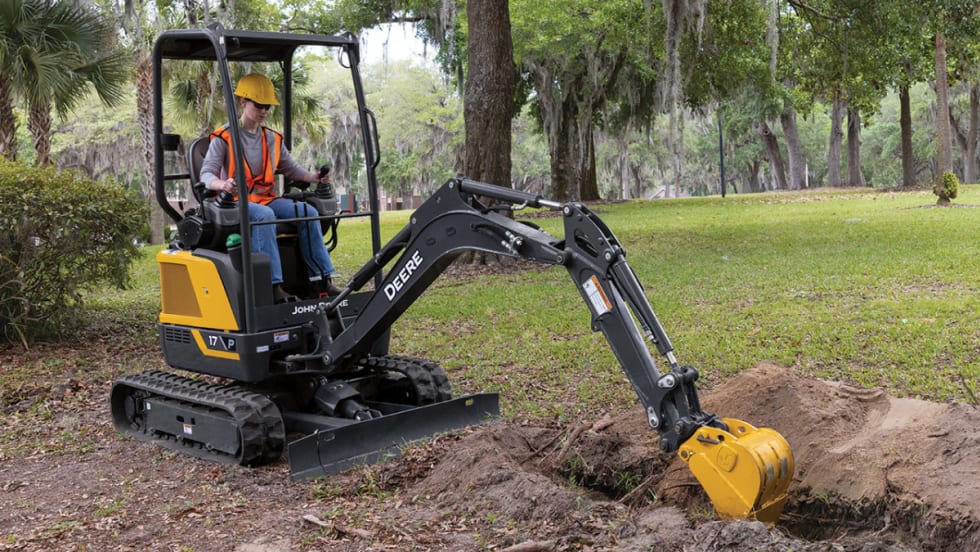
John Deere has introduced the 17 P-Tier and 26 P-Tier compact excavators with design updates aimed at improving operator comfort, versatility, and fleet efficiency for municipal and public works applications.





![[|CREDIT|]](https://assets.bobitstudios.com/image/upload/f_auto,q_auto,dpr_auto,c_limit,w_920/pm.pointoflawrgb_2col_1759887534911_awrqku.jpg)