Modern policing comes with many challenges, and none is more present in the minds of public fleet managers than decarbonization, the transition from gas to electricity.
While infrastructure, cost, and regulations present many challenges to decarbonization, Leon County has faced them head-on and made it feasible, sustainable, and affordable.
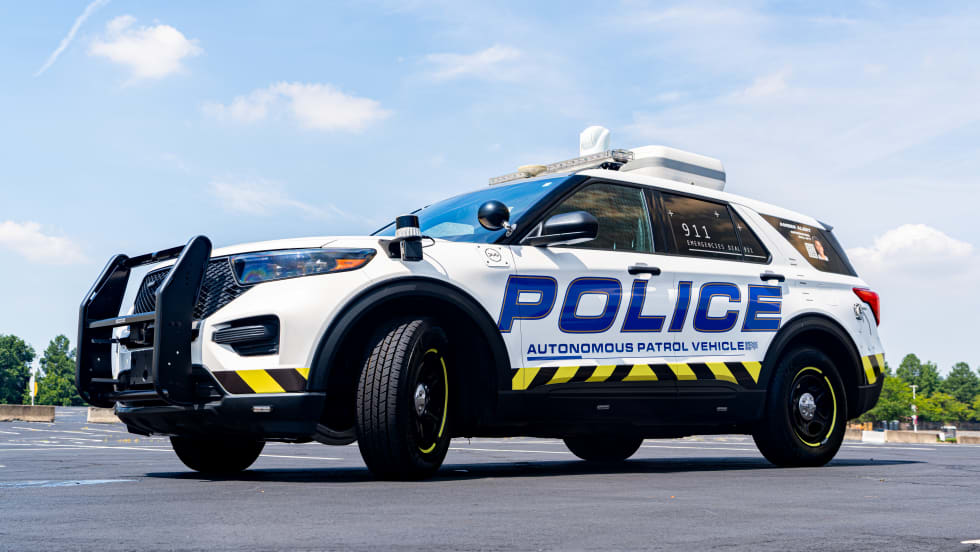
Leon County’s updates to its police fleet are part of what earned it a spot as one of the Police Fleet Innovators in 2025.
Safety through Innovation
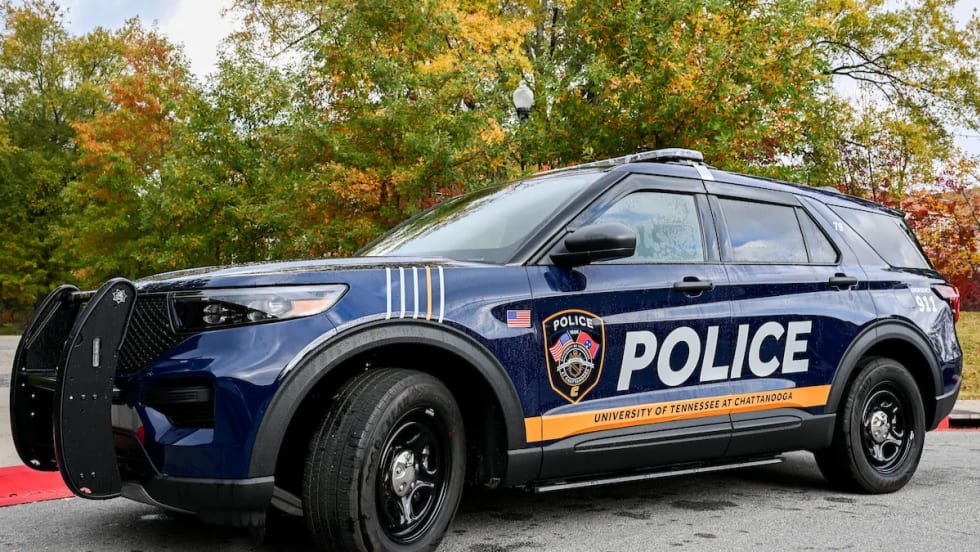
Leon County credits its success partly to the technological upgrades it made to its patrols this past year. All Leon County patrol vehicles are fitted with Level III ballistic plates in the front doors. Additionally, they only acquire vehicles with safety packages like AEB, LDW, LKA, BSD, and other crash avoidance technologies.
Leon County's approach to decarbonization is straightforward, focusing on fuel and mileage efficiency.
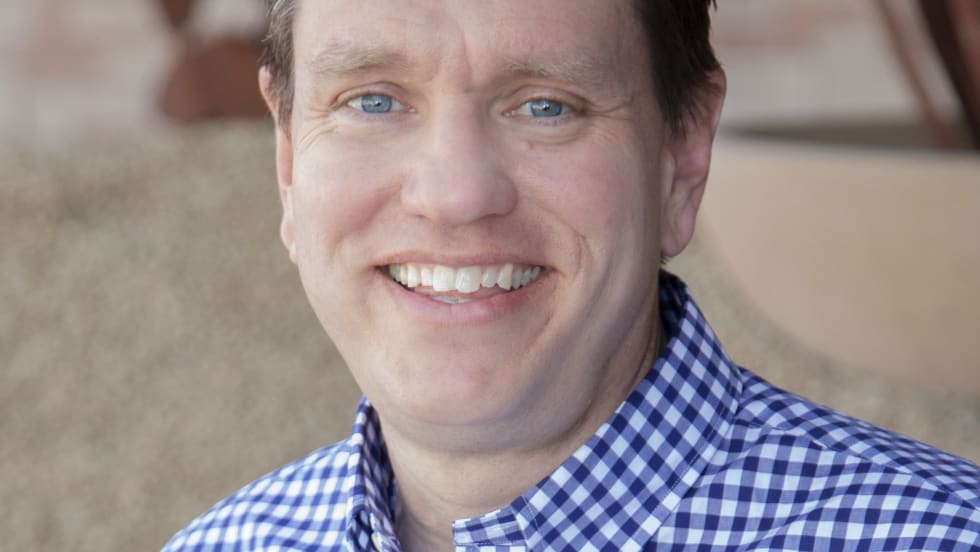
However, Timothy Coxwell, Fleet Management Division Director for Leon County Sheriff’s Office, notes that the most significant factor is officer safety.
When asked about changes made in the last year that had the most impact on their success, Coxwell said, “Driver training has significant impact on officer safety. We share videos of crashes showing the results of distracted driving, drowsy driving, lack of seat belt use, situational awareness, and improper clearing of intersections. We also review crash data from crashes where speed was a factor.”
He added that they conduct driver training for recruits and in-service for deputies and civilians. Leon County also provides “Below 100” training aimed at eliminating preventable deaths and injuries in the line of duty.
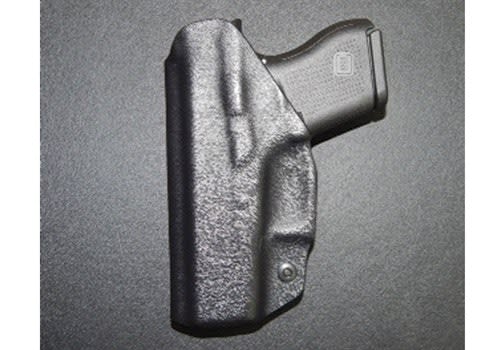
Below 100 is a non-profit organization that conducts safety training to reduce the number of deaths in the line of duty among law enforcement officers in the United States.
Measurable Sustainability
The Leon County Sheriff’s Office prioritizes feasibility, which has allowed it to develop sensible solutions to what can sometimes seem like frivolous problems.
Coxwell put it plainly, “Does it make CENTS? Can we perform our duties with the available technology at a lower cost per mile? We review every driver’s mileage per year and per shift. We compare that mileage with gasoline consumed. We estimate how many minutes a deputy would spend to recharge their vehicle's energy use and range from a single shift. We also calculate their individual GHG production.”
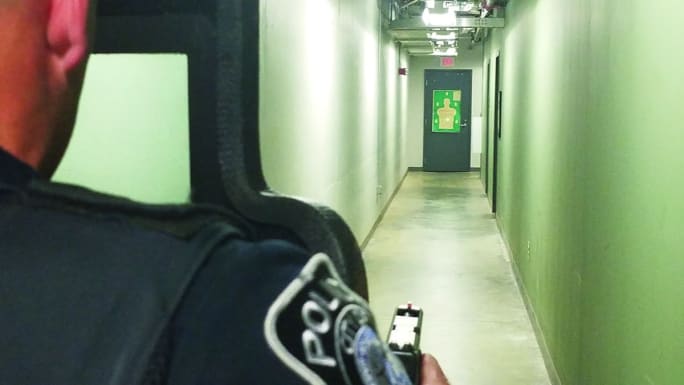
Leon County grounds its sustainability in data collection and analysis. The information allows the department to repeat its success with all the vehicles in its inventory.
Photo: Brian Marshall
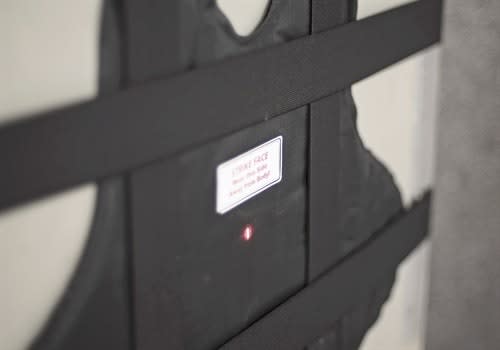
Earning both deputy and command staff buy-in for future BEV utilization has been pivotal in Leon County's success.
This straightforward approach has resulted in measurable improvements in officer satisfaction and availability. They have a pool car system that allows deputies to exchange their vehicles from a pool of vehicles when theirs are out of service for repairs. This has exponentially reduced downtime, allowing deputies to stay in service to their community longer.
Coxwell had this piece of advice for police fleets looking to modernize their operations: “Dream Big while making incremental changes. Close your eyes and visualize the very fine teeth of a snap-on ratchet. Remember a tight spot you’ve been in during a difficult repair, imagine hearing just one click in the right direction, and accept that as success."