At a Glance: |
Some benefits of renting equipment include:
|
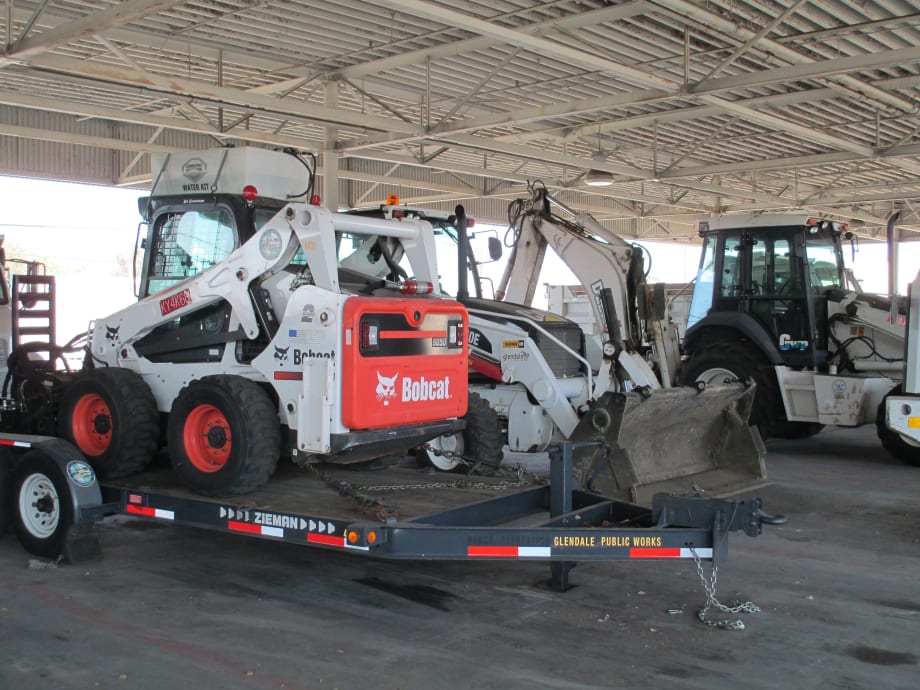
At the City of Glendale, Calif., Fleet Manager Karl Vogeley said equipment rentals have helped the City fleet eliminate underutilized equipment. Pictured are some of the City’s off-road assets. Photo courtesy of City of Glendale.
A forklift at a remote facility in Glendale, Calif., is used every three months to perform an outdoor maintenance procedure. Every other day of the year, it sits idle.
After a while, the forklift is in poor shape — and it’s no longer compliant with district air quality rules. So the City of Glendale is faced with a decision: invest in a new forklift that would continue to only be used every three months or rent one out.
For Karl Vogeley, City of Glendale fleet manager, the choice was an easy one: rent instead of buy. “Rather than purchase a replacement for this forklift that will still only be used every three months, we identified a vendor that will deliver a rental forklift to the facility and pick it up again when the work is finished,” he said. “What a simple solution to our dilemma!”
When done correctly, renting off-road equipment can keep utilization rates up, while also reducing capital expenditures on equipment that is rarely used. When fleets make strategic choices about what to rent, when to rent it, who to rent it from, leveraging rentals can make for a wise investment.
Many Reasons to Rent
Many fleets — such as the City of Glendale — rent equipment that is used infrequently. But that’s not the only reason to rent.
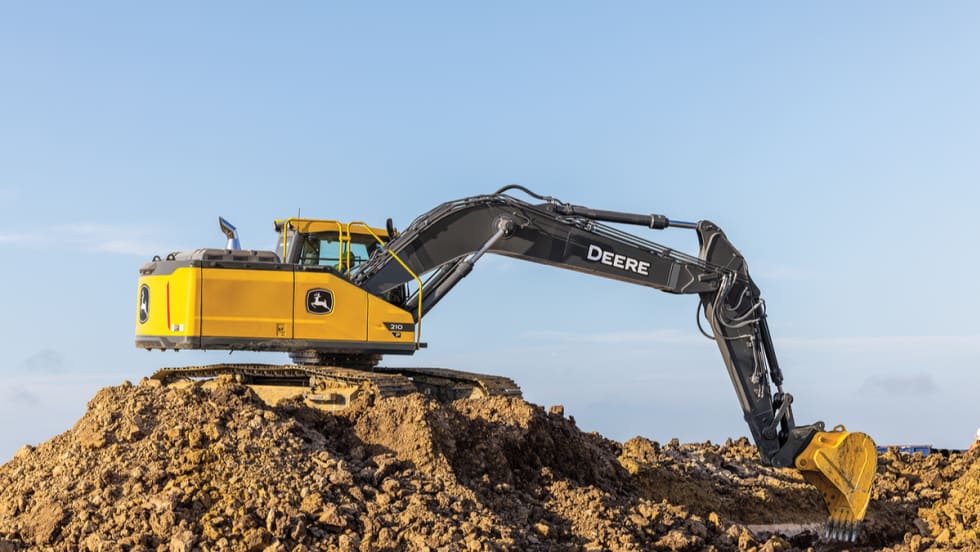
In addition to the forklift, Vogeley rents cement mixers and skid-steer loaders. The City also has the option to rent several types of equipment on a 24-hour basis from local contractor supply rental yards. This equipment includes earth-moving equipment, generators, compressors, backhoes, and skid-steer loaders, all of which can help supplement the City’s typical jobs.
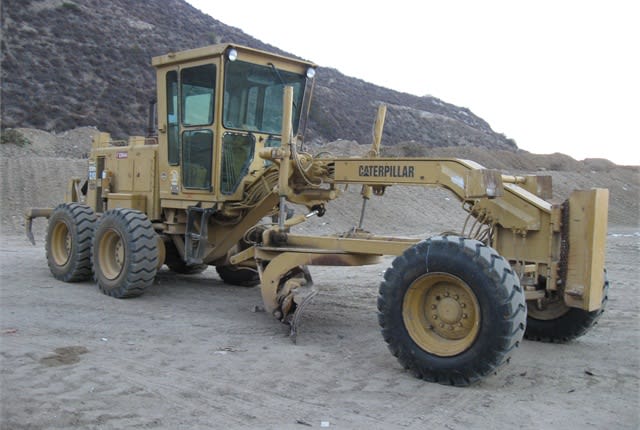
At the City of Burbank, Calif., rental equipment saves the day when off-road equipment at the City’s landfill (pictured) breaks down.Photo courtesy of City of Burbank.
Similarly, David Gonzales, equipment services superintendent for Washoe County, Nev., rents off-road equipment for specialized jobs that the County’s 35 pieces of off-road equipment, including backhoes, wheel loaders, motor graders, paving equipment, asphalt repair equipment, skid steer loaders, mini-excavator, rubber tired excavator, and light utility tractors, can’t cover.
“Our Roads Department typically rents equipment that is not currently in our fleet to augment their needs for particular jobs. Renting equipment is used primarily to help on a job when the equipment we own is not large enough to complete the job or when a unique piece of equipment is needed, but due to the limited utilization, it doesn’t make sense to own it,” he said. “Fleets should consider renting if they have a need for a unique piece of equipment that they currently do not own or when the use of the equipment is going to be so minimal that it would not be cost-effective to own.”
For David Rodriguez, fleet superintendent, City of Burbank, Calif., Public Works, rental equipment saves the day when off-road equipment at the City’s landfill breaks down. “When that happens, we have to keep operating to stay compliant with regulations,” he said. “This is specialized equipment we can’t fix in-house, so we send it to a vendor for repair, then rent a replacement from that same vendor. Because we’re using them for the repairs, they give us a discounted rate on renting the equipment.”
Rodriguez also leverages equipment rentals to keep vehicle availability at optimal levels. “Our vehicle availability runs at such a high percentage. So if we need to rent equipment to maintain it, we will,” he said.
Vogeley employs a similar strategy. The City of Glendale right-sized its equipment fleet, then leveraged rentals to fill the gaps. After looking at the City’s pattern of equipment usage over 24 months, fleet staff noticed some off-road and construction-type equipment saw very little use. “Some of the departments had equipment close enough in specifications that it could be used across departments, even though past practice was for departments to have equipment that was considered ‘owned’ by a particular department within the City,” Vogeley said. “We were able to allay the departments’ concerns about proposed equipment reductions by demonstrating that some, if not most, of the off-road equipment the City uses periodically is available for rent commercially.”
What to Rent
While need ultimately drives what off-road equipment fleets rent, fleets that frequently rent equipment note a number of other factors that should be taken into consideration.
Even though a fleet may find the right piece of equipment for a job, that doesn’t necessarily mean it’s smart to rent it. “Reliable equipment is a must. Make sure that what is being rented is a newer model and is appropriate for the job,” Gonzales said. “Since rental prices tend to be fairly competitive, it is more critical to the user departments that the equipment being rented can do the job you need it to do without experiencing any breakdowns or downtime.”
Vogeley agrees with Gonzales that it’s important for rental equipment to be in good shape. “The condition of heavily used rental equipment may be a problem,” he said. “Always check it well before taking it from the rental yard.”
Rodriguez also pays attention to the condition of rental equipment, particularly in terms of safety. “We don’t have control over the maintenance of those pieces of equipment — and we want to make sure we’re putting our operators in safe vehicles,” he said. “That’s why we like renting from the company who does our repair work. Odds are, if they do an excellent job repairing our equipment, the same will be true for how they maintain their own equipment. And, if we have an issue with a rental, we know they’ll be able to come out right away and fix it. We always want to make sure the operators have the equipment to do their jobs.”
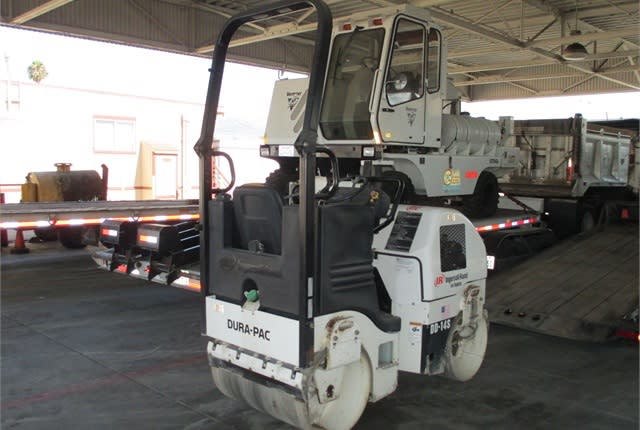
Fleet Manager Karl Vogeley said for how the City of Glendale uses its asphalt roller, it’s more effective to own than rent. Photo courtesy of City of Glendale.
For a fleet just beginning a rental program, Vogeley recommends renting common equipment first, as there are fewer problems operating a variety of makes and models. “The common equipment such as construction equipment, material handling equipment, and earth-moving equipment are better to rent because the layout of the controls. Operation of the equipment is pretty standard from one nameplate to the next, and familiarization and acclimation by the operators to the characteristics of the equipment is quick and easy,” he said.
Rodriguez also keeps environmental factors in mind when choosing his rentals. “When deciding which equipment to rent, we look for equipment and vehicles with the lowest emission levels to stay in compliance with the California Air Resources Board off-road standards,” he said.
Where to Rent
To be sure equipment is available for rental when they need it, these fleet managers work with a number of vendors. They choose vendors for a variety of reasons.
“We have purchase orders with several local equipment rental yards,” Vogeley said. “We have picked them because they are located close to the potential user departments, have after-hours and weekend service available for emergency rental needs, and being local, the rental dollars spent stay in the local community.”
Gonzales chooses vendors based first on the availability of equipment, then on price. “We have rented from both local equipment dealers and from rental companies,” he said. “We have a guaranteed price from the local United Rentals store, but more often we need to rent from either the Caterpillar or John Deere dealers because they tend to have larger track excavators in their inventory.”
Selecting a Rental Vendor
When seeking a vendor for rental equipment, select one that:
Has multiple rental facilities
Has locations close to departments that use the equipment
Has competitive prices
Lets you inspect equipment for quality before renting
Has reliable, well-maintained equipment
Is willing to drop off and pick up equipment
Has plenty of inventory so equipment is available when you need it
Offers flexibility of usage charges when weather delays the job
Offers equipment repair
Has after-hours and weekend service available for emergency rental needs
When Renting Doesn’t Make Sense
Renting off-road equipment can be beneficial as a stand-in for equipment that sees infrequent use, breaks down, or is needed for specialized jobs. But sometimes, rentals aren’t the best option.
“When a department has a constant need for a type of equipment, and the inability to rent that equipment will be a show-stopper for a project or job,” it’s best to own, Vogeley said. “If the equipment has constant use, then the city should own it.”
Even if equipment isn’t used frequently, it can still be beneficial to own rather than rent, if only because of availability. “In our case, there are certain types of equipment, which even though they don’t have high utilization, are necessary for the operational needs of the department,” Gonzales said. “Often they are very popular rental units, so their availability can be an issue. A good example of this is a steel drum asphalt roller.”
Reasons to Be Happy You Rented
With a rental strategy in place, fleets can reap a number of benefits.
First, renting can be beneficial from a cost standpoint. “The biggest benefit is that renting affords our Roads Department the ability to complete certain maintenance projects without the costs of having to own equipment that may not have high annual utilization,” Gonzales said. “From a maintenance standpoint, it also reduces the maintenance and repair costs associated with owning heavy equipment, which saves the Roads Department [money] and reduces the workload on the shop.”
Vogeley agrees that cost savings are a strong argument for renting — but so are reduced compliance responsibilities. “Reducing capital replacement costs and reducing maintenance costs for conducting safety and service inspections on low-use equipment are all benefits,” he said. “Another is eliminating the regulatory burden that comes with owning some types of equipment. If rented equipment is used, the regulatory burden shifts to the rental agency.”
The City of Glendale’s fleet also saw a huge benefit in the way of right-sizing its equipment fleet. It finished the 2012-2013 fiscal year with 1,015 pieces of equipment in the City fleet — a reduction of 187 pieces from the previous fiscal year. “Through our program of combining assets in the fleet across departments, and by having the safety cushion in the ability to rent equipment as needed, we were able to convince the City departments to eliminate some underutilized equipment,” he said.
Vogeley’s parting advice to other fleets? “Don’t feel that you need to own one of everything that your customers may need during the year; let someone else own it, and rent when you need one!”
Sources:
David Gonzales, equipment services superintendent, Washoe County, Nev.
David Rodriguez, fleet superintendent, City of Burbank, Calif., Public Works
Karl Vogeley, fleet manager, City of Glendale, Calif.