



Red Government Fleet with star logo
MenuMENU
SearchSEARCH

Small Steps Toward Big Impacts with Emissions Tracking

While adding zero-emission vehicles to the fleet is a sustainability win, there are still emissions related to producing the electricity used to charge them.

by Shelley Mika
February 9, 2023
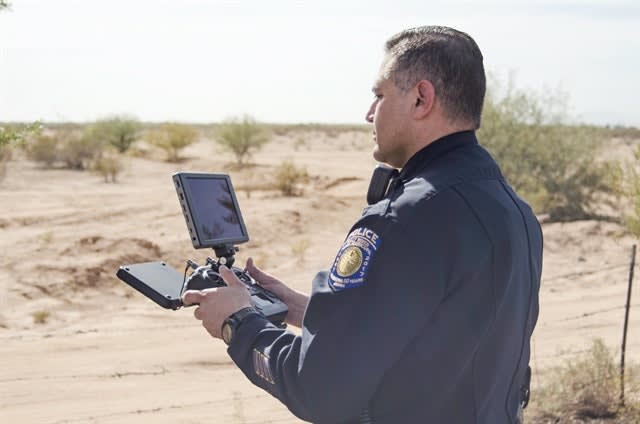
An officer is using a DJI Cendence controller with a DJI CrystalSky monitor to operate his agency's UAS, or drone. Photo: Michael Hamann

Fleets that track and manage emissions have a great opportunity to be good stewards to their community and the planet.

3 min to read


Adding zero-emission vehicles, like electric vehicles, to the fleet is a sustainability win. Although these vehicles don’t have tailpipe emissions, there are still emissions related to producing the electricity used to charge them.

Fleets seeking to track these emissions can track total electricity usage (in kWh) for their electrified vehicles, then calculate the indirect upstream emissions from the power generation for their specific eGRID subregion.

“Some regions will have lower emissions factors depending upon the energy mix, and companies could always neutralize these emissions just like they would for electricity used at offices and facilities via renewable energy certificates (RECs),” says Tim Venghaus, Sustainability Solutions Engineer for PDI Technologies.

Although fleets may want to understand emissions related to EVs, the information isn’t really applicable to a fleet’s emissions unless the same is done for traditional vehicles.

“It is important to consider the upstream environmental effect of producing fuel for traditional ICE vehicles in order to have a true comparison,” says Jean Pilon-Bignell, Public Sector Vice President for Geotab.

Lead Technical Program Manager, CALSTART, Chase LeCroy says a “well to wheels” comparison — tracking all of the emissions associated with producing and delivering fuel, plus tailpipe emissions — is the most complete and accurate comparison of EVs to ICE vehicles. But this may not be necessary.

“On the electricity side, it is easy to find out the emissions associated with each kWh of electricity produced, but on the diesel side it is not always easy to track down these numbers,” LeCroy says. “Focusing on ‘tank to wheels’ or tailpipe emissions still tells 90% of the story.”

How to Manage Emissions

Once a fleet has established a baseline, the real work begins: finding ways to reduce emissions.

“As you begin to understand your fleet’s environmental impact and performance, actions can be taken to address the factors contributing to poor sustainability performance,” Pilon-Bignell says.

Ways to lower emissions include:

  • Reducing idling

  • Optimizing routes

  • Identifying and replacing low fuel economy vehicles

  • Addressing driver behavior

  • Incorporating cleaner burning fuels

Of course, another option is to replace ICE vehicles with ZEVs. But because this will require a capital investment, fleets may have to build their case to acquire them. Data can help with that, too.

Using Emissions Data to Advocate for EVs

Some of the data points fleets can use to make the case for adopting EVs include:

  • CO2 savings based on tailpipe emissions 

  • Fuel savings 

  • Route length to determine if vehicles could be replaced with EVs

  • Location data to determine if vehicles remain long enough at a location to be charged

  • High-idle times, as these assets could be good candidates for EV replacement

“Some companies are measuring emissions and applying a cost of carbon to help evaluate business decisions,” Venghaus explains. “Knowing fleet emissions at a vehicle level can help drive the business case for switching to an EV or other alternative technology vehicle.”  

Small Steps Toward Big Impacts

Fleets that track and manage emissions have a great opportunity to be good stewards to their community and the planet. Even incremental steps toward a zero-emissions fleet add up.

“Beginning your transition to a zero-emission fleet by focusing on the changes you can make today will ensure you have a head start in learning about this new technology and are well-positioned to continue phasing out ICE vehicles,” LeCroy says. “By displacing emissions, the fleet not only helps fight global climate change but also prevents their local community from breathing harmful pollutants like NOx and SOx. Every organization can contribute toward these two goals, but fleets are especially well-positioned to make being green a part of their mission since transportation is the leading cause of emissions.”

Subscribe to Our Newsletter

More Operations

Weekly cheat sheet reset button.
Operationsby Staff WriterFebruary 6, 2026

Is Fleet in a Reset Mode? | GovCast Shorts

On the go and want a snapshot of our top industry news? Check out Government Fleet's new video short of what's been happening.

Read More →
person at laptop taking survey.
Operationsby Staff WriterFebruary 6, 2026

Are You Paid Enough? Fleet Salary Study Open

Work Truck, Automotive Fleet, and Government Fleet have partnered to conduct a salary survey to determine the average salary for a fleet management position in commercial and public sector fleets.

Read More →
SponsoredFebruary 6, 2026

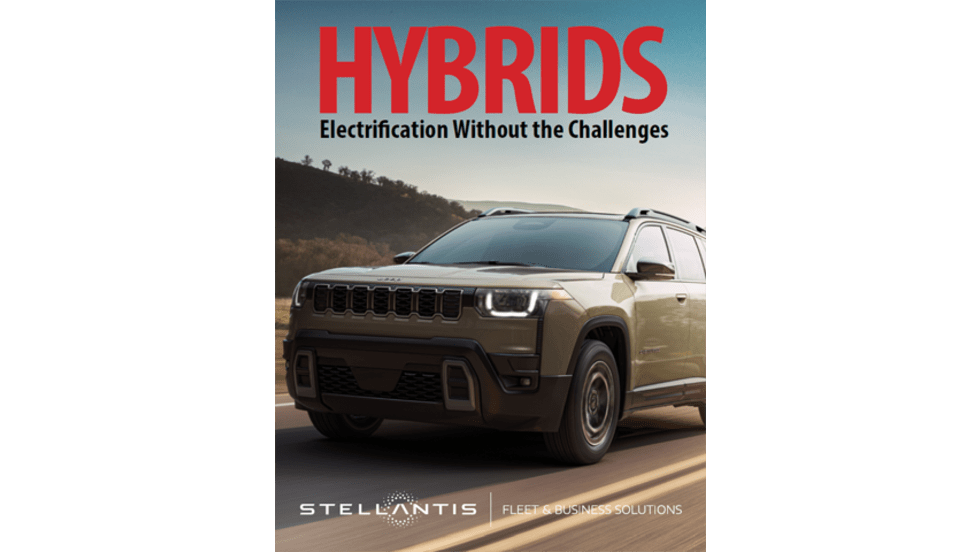
Hybrids: Electrification Without the Challenges

Hybrids bridge the gap between ICE vehicles and EVs, making them a smart choice for fleets that want to reduce emissions but aren’t ready to fully electrify. Hybrids, which are powered by internal combustion engines and electric motors, capture the benefits of electric power without the barriers many organizations find challenging.

Read More →
Ad Loading...
Image showing fleets dealing with budgets, data, and people for success.
Operationsby Nichole OsinskiFebruary 1, 2026

Fleet Performance Comes Down to People, Data, and Budgets

When it comes to the public sector, outcomes are usually driven by three areas fleet leaders can actually control, but it’s combining these into one operating model where operations see the most success.

Read More →
SponsoredFebruary 1, 2026

Why One Car Wash Wasn’t Enough For This Fleet

Limited wash locations can increase travel time, fuel costs, and admin work for fleets. Here’s how one government fleet expanded access and simplified operations.

Read More →
fleet image of check report and words cheat sheet.
Operationsby Staff WriterJanuary 30, 2026

Leading Fleets Lessons, Autonomous Policing, and the BEV Reality Check | The January Dispatch

To keep you in the loop, this episode is a quick reset on what mattered during the past month, from how to turn award season into a practical self-audit to what “leadership” looks like.

Read More →
Ad Loading...
image with the words read learn earn and a BBM star.
Operationsby News/Media ReleaseJanuary 29, 2026

Bobit Business Media Launches New Rewards Program for Industry Professionals

The new rewards initiative, B2X Rewards, is a gamified incentive program designed to increase engagement across BBM’s websites, eNewsletters, events, and TheFleetSource.com.

Read More →
Government Fleet's weekly cheat sheet for the end of January.
Operationsby Staff WriterJanuary 29, 2026

Cold Weather, EV Reality Checks, and What Fleet Leaders Are Doing Next | GovCast Shorts

On the go and want a snapshot of our top industry news? Check out Government Fleet's new video short of what's been happening.

Read More →
Image of man applying for leading fleets.
Operationsby Nichole OsinskiJanuary 28, 2026

Your Leading Fleets Application Can Do More Than Win an Award

Hear directly from this year's judges on what separates standout submissions and use their tips to submit a clearer, stronger application.

Read More →
Ad Loading...
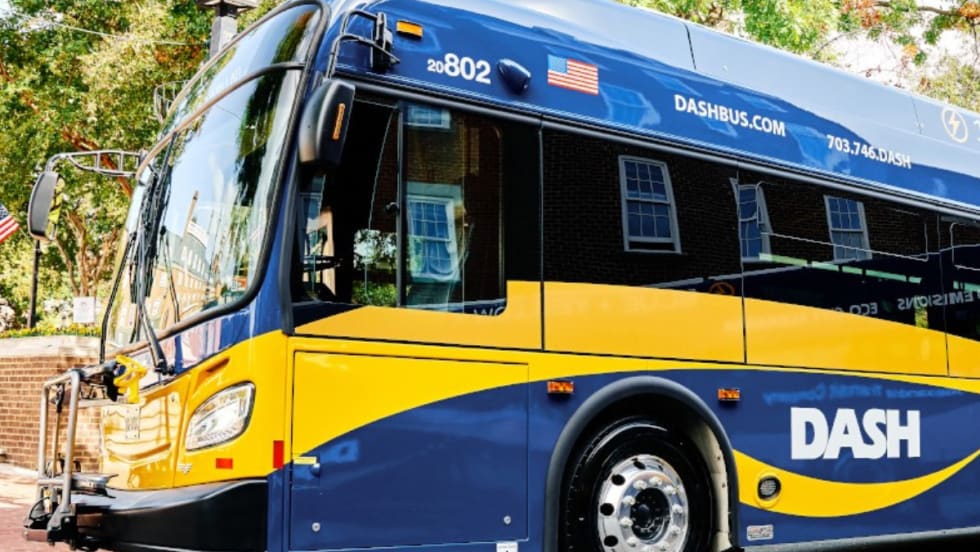
A DASH electric bus parked on a city street in Alexandria, Virginia.
Operationsby News/Media ReleaseJanuary 27, 2026

City of Alexandria's DASH Partners with ABM to Support EV Bus Charging Infrastructure

DASH is expanding its electric bus operations in Alexandria, Va., with new in-route charging infrastructure.

Read More →