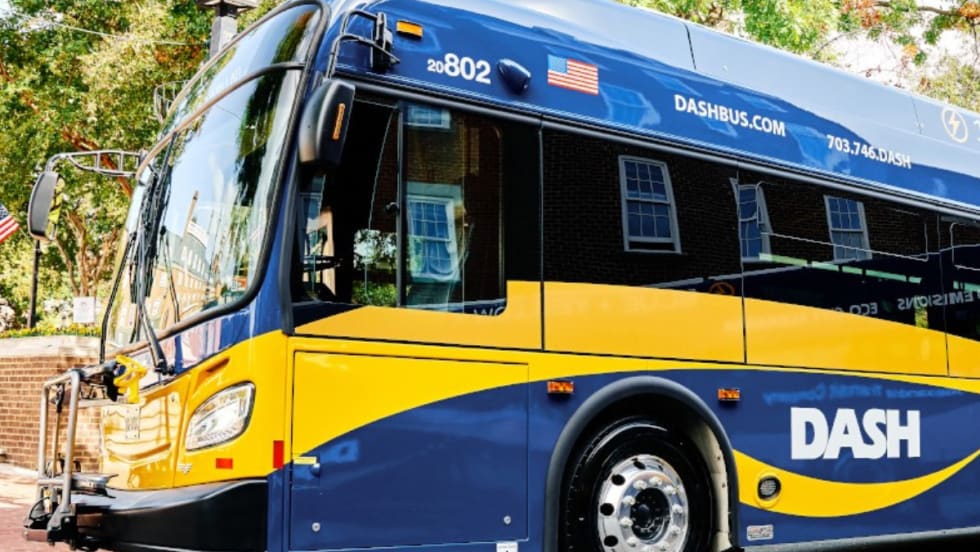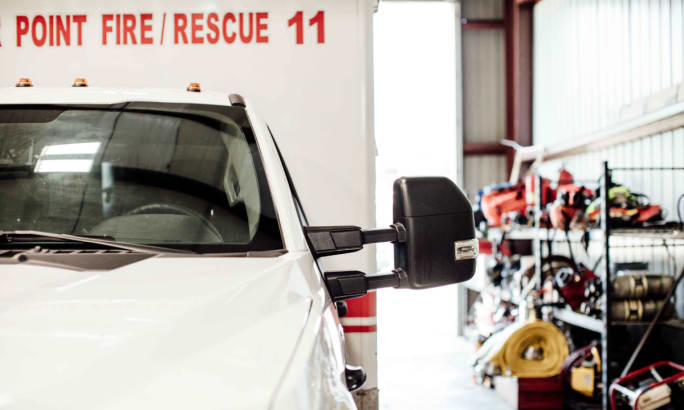
Mission-critical vehicles like emergency vehicles leave no room for downtime. Associations and conferences help fleet teams share the practices that keep units response-ready.
Photo: Fleetio
Staying connected with peers and networking at conferences and trade shows are great ways to see how others are handling challenges you may be facing within your own organization, like successfully advocating for needed resources or improving uptime.
Associations and professional networks also offer access to education, benchmarking resources, career development, and community solutions that can directly impact fleet performance and operational success.
The Value of Professional Associations for Government Fleets
Joining a fleet management association can help public agency fleet leaders stay current on best practices and emerging trends. Associations curate training and events with topics ranging from different types of fleet maintenance and management solutions to safety.
Expanding your professional network and connecting with other municipal, county, or state fleet managers lets you share strategies and learn how peers in similar roles solve shared challenges.
Many associations also provide structured education that can strengthen your expertise and enhance your credibility within your agency. For government fleet managers, these opportunities translate to better decision-making and more effective fleet operations.
Key Associations Worth Your Attention
There are several notable associations fleet managers can look into to beef up their knowledge and network, as well as share their own expertise. One of the largest, and possibly most well-known, of which is NAFA. NAFA serves a wide spectrum of fleet managers, including those in government roles.
The association offers a wide range of resources, including seminars and comprehensive training, certification programs, and publications and newsletters that deliver thought leadership and practical insights. NAFA membership connects government fleet professionals with one of the largest networks of fleet leaders in North America.
There are also the more government-specific associations, such as the Municipal Fleet Managers Association (MFMA) and the Public Fleet Managers Association (PFMA). MFMA focuses specifically on government fleet professionals, with a mission to promote cost-effective management policies and technical best practices among public sector fleets.

Joining a fleet management association can help public agency fleet leaders stay current on best practices and emerging trends.
Photo: Fleetio
Its programming and resources are tailored to the unique operational and regulatory realities faced in government environments.
PFMA champions public fleet expertise across agencies of all sizes. Members include representatives of local, county, and state vehicle operations who collaborate on training, networking, and shared fleet solutions.
These are only a few of the associations out there, so if your interest has been piqued and you’re looking for something to help you meet specific goals you have for your fleet or career growth, invest some time in checking out the plethora of associations available.
Conferences and Networking
In addition to association membership, government fleet professionals benefit from attending sector-focused events where networking and professional development happen in concentrated form.
The Government Fleet Expo & Conference (GFX), the largest annual event dedicated to public fleets, brings together practitioners, suppliers, and experts for several days of workshops and peer discussions tailored specifically to government fleet operations. Other conferences include FedFleet, Public Works Expo, Police Fleet Expo, and Electric Utility Fleet Managers Conference.
There is a multitude of available associations to join and conferences and trade shows to attend, so before you get started, really identify your goals. Are you looking to get a certification, or are you more into the networking aspect? Is benchmarking data of interest, or is professional development of more value? Clarifying your goals lets you choose the association and membership level that fits best.
From here, you can leverage local chapters.
“Many associations offer regional groups that make community building and face-to-face learning more accessible, and starting locally can help you become more invested,” said Clay Shewey, senior account executive, Public Sector at Fleeto. “Most associations also typically have publications and resources that provide shared best practices and help fleets stay informed on trends affecting public sector operations.”
For government fleet professionals, joining an association is an investment in your fleet’s capability and resilience. Through shared knowledge and a community of peers facing similar pressures, you give your agency access to tools and insights that can improve safety and strengthen operational outcomes.
Plus, associations and conferences remain some of the most enduring and reliable ways to stay ahead of change.
This article was authored and edited according to Government Fleet editorial standards and style. Opinions expressed may not reflect those of GF.