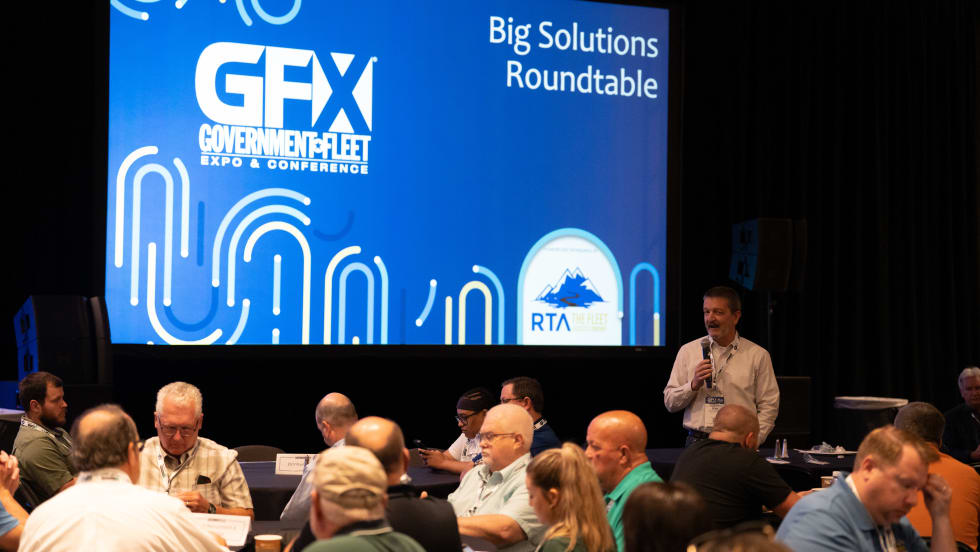
At a recent conference hosted by the Florida Association of Governmental Fleet Administrators (FLAGFA), Jim Juneau, a Texas-based attorney, talked about liability for fleets.
Liability is something that comes up fairly often, but a couple of tragic case studies reminded the audience of what it truly means.
In one case, a firefighter had come to a technician and asked him to disable the alarm that signaled that the fire truck’s generator was still on. There were instances when they wanted to keep the generator on and they didn’t want the annoying alarm. Fearing the firefighters would make it worse by disabling it themselves, the technician did as requested. This temporary accomodation was never fixed, despite numerous stops at the maintenance facility. After a series of unfortunate events, it led to the carbon monoxide death and permanent disability of two fire department employees.
Using an example like this one, Juneau warned fleet managers of the following things that could get fleets in legal trouble: Ignoring recognized national standards (and following only state or regional ones) and poor vehicle maintenance and inspection habits. And not only are public agencies responsible, but fleet managers and technicians can also be charged, he said.
Liability: Recalls, Shop Safety & Documentation
I’m not a lawyer, but I can think of various instances where fleets and fleet managers can be held liable for aspects of their jobs. Think of the recent onslaught of recalls and how fleets are managing them — and how difficult managing recalls may be if vehicles are dispersed throughout a large geographic area. Within the maintenance facility, safety comes to mind, including lift safety, fall protection devices, and training technicians on how to maintain new vehicle technologies. For drivers, fleet managers may have to think about driver records, driver policies, and driver monitoring technologies. And there are many stories about aging fleets — including first responder fleets — that are so old the vehicles are constantly out of service, leaving user departments with not enough vehicles or poorly maintained ones. These responsibilities fall on fleet management’s shoulders.
Additionally, it made me think of paperwork and documentation. What may seem a tiresome chore can become critical records to be used for (or against) you and your agency in a trial. At a recent trial where I served as juror, work orders from dealerships were used as evidence, and each line was meticulously reviewed by lawyers, complete with misspellings and incomprehensible sentences that had to be interpreted.
Get Technicians Involved
After coming out of the session on liability and negligence, my thought was that technicians should see a similar presentation. While it’s beneficial for a fleet manager to get this training, technicians are the last ones who see the vehicles. They’re the ones who decide whether a vehicle is safe and ready to go.
In 2009, an out-of-control fire truck from a major city plunged down a hilltop, killing a firefighter and damaging an apartment complex. The truck was deemed to have faulty brakes.
A competent technician would not knowingly let an unsafe vehicle back on the road. However, in Juneau’s example, simply cutting a wire to prevent potential additional damage from operators — which may have seemed reasonable at the time — led to tragic consequences.
Learning from the consequences of others’ actions can help technicians make better decisions. And providing a reminder of liability exposure, and potential consequences of negligence, can be helpful to both technicians and fleet managers.
What have you done to minimize your fleet’s liability?