




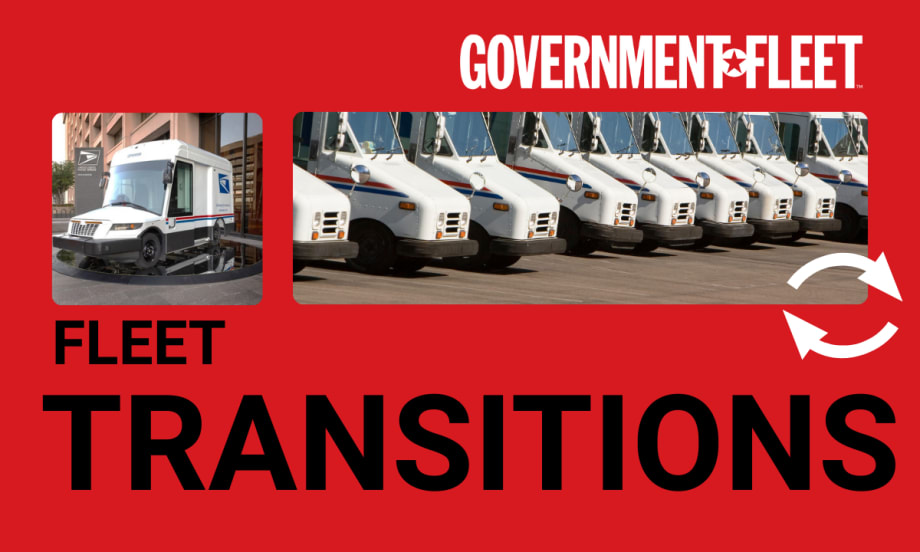
A few weeks ago, while trying to sweep away the leaves that had been cluttering our porch, I saw our mail carrier pulling up to our mailbox. Nothing new here, except that they were no longer driving the traditional Grumman Long Life Vehicle our neighborhood was accustomed to seeing. This time, she was driving in one of the USPS's new all-electric Next Generation Delivery Vehicles.
We've written about these NGDVs, and I knew they were beginning to replace the boxy LLV, but I didn't expect to see one in my corner of the world. And that quick and quiet moment is exactly why fleet transitions matter more than we might realize.
Change Doesn't Always Announce Itself
I cover fleet topics for a living. I read the press releases, track the pilot programs, and follow the technology rollouts. Yet even I didn't know my postal route was getting an electric upgrade. If someone professionally tuned into the fleet world can miss that, imagine how much the general public misses.
Most people don't see procurement processes or deployment timelines. They're probably not aware of maintenance considerations, infrastructure builds, or policy decisions happening behind the scenes. However, what they do see is what shows up on their street.
And that single point of contact can shape their perception of your entire fleet.
Your Fleet as a Public Touchpoint
My first reaction to seeing the new mail truck was surprise, but it wasn't an 'out-of-left-field kind of surprise.' Others might have a different reaction. They might wonder why the city has this vehicle, how much it costs, if it’s better or worse, or why now?
Public perception fills gaps quickly; that’s why proactive communication matters.
You don’t need a nationwide press tour to prepare a community for fleet change. Even small, local updates can make a big difference:
Keep it simple, keep it visual: Make a short post or series of posts on social media explaining what the new vehicles are and why they matter.
Highlight the benefits: Is this about emissions? Will the neighborhood be quieter? Talk about safety or reliability, anything to help the public understand the change.
Put your drivers in the spotlight: If drivers know what to say when asked, one curbside conversation can do more than a formal announcement.
Your Fleet is Part of Your Reputation
Seeing that new vehicle is a reminder that fleets aren’t just assets; they’re part of your agency's public image. Whether it’s a rollout or replacement, each change is a way to better connect with the community and show the public just how vital your fleet is.
Your fleet isn’t just putting vehicles on the road; whether you intend to or not, your operation shapes the narrative that people create around their government.
Sometimes, that narrative drives right past someone’s house.