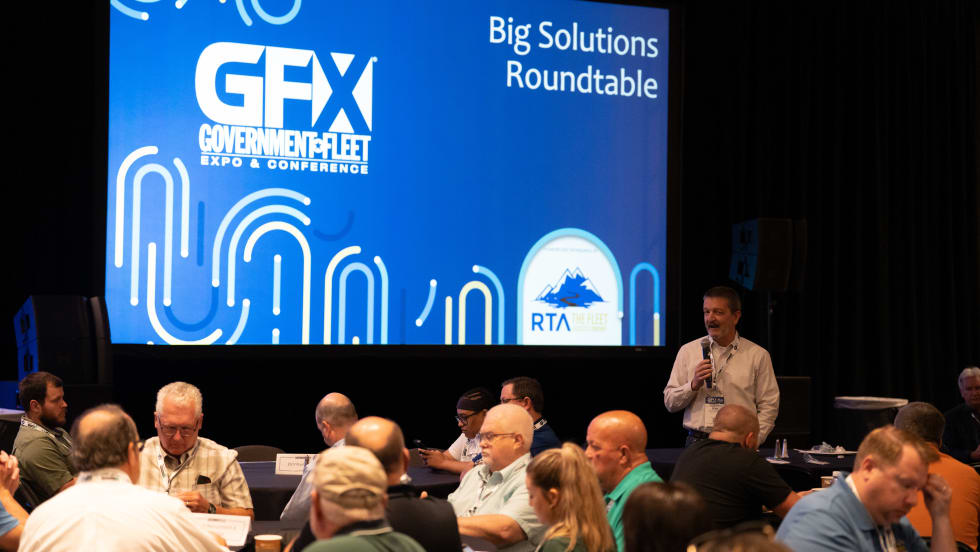





At the Government Fleet Expo & Conference (GFX) in Denver, I met a woman from a nearby city who wanted to improve the city fleet. She had arranged a meeting with one of the OEMs, brought the fleet manager and Public Works director to the event, and even got the city manager involved. She was a strong advocate for fleet greening and relentless in her pursuit to learn more about the industry, to make connections, and to see how she could help her city fleet.
The funny thing is — she’s not a fleet employee. She’s a concerned citizen.
This made me think about how much residents can do for fleet.
Residents’ Impact on Fleet
Although fleet management doesn’t interact with citizens as frequently as they do with customer departments, citizens can be just as important to fleet operations.
Fleet managers acknowledge that taxpayers are their ultimate customers. In some agencies, taxpayers have a more direct fleet impact than others. In municipalities where the fleet director is appointed by an elected official, residents’ votes of who they want to run the government can result in the appointment of a new fleet chief who has a completely different vision for the department. At the beginning of this year, an Iowa city sought citizens’ input on its refuse truck replacements, asking if they could live with a rate increase to fund these purchases. Residents can also vote to raise taxes and sign petitions.
On an individual level, a resident can bring attention to a fleet issue (hopefully, positively); champion an idea, such as a sustainability goal; or express concern for broken-down vehicles, which could help with your replacement budget. A resident can speak out at a council meeting to express support or opposition for something, or he can write a letter to the editor of the local newspaper. Even pointing out something negative (such as notice of potential fuel theft) can help fleet management recognize an issue it didn’t know about and allow the department to correct it.
I recall reading about a municipality that put together a citizens’ group to solve problems within their local government. The group included local businesspeople, and they were going to discuss fleet issues. A fleet study by residents might allow them to see the complexities of fleet management, and that reducing fleet size, lowering the labor rate, or selling off those vehicles apparently just sitting at a lot aren’t as easy as they may initially seem.
Whatever their involvement, there’s no doubt that citizens, and sometimes individual residents, can make a significant impact to fleet management.
Work with Fleet Advocates
The differences in the way various public entities function mean what works for one agency might not work for another. In a large city, getting three city employees, including the city manager, to spend a full or half day with a resident (as the woman from Colorado had) may be an impossible task.
Looking for a resident advocate isn’t really possible, as a fleet-resident relationship doesn’t seem to be one you can force. The resident has to reach out, has to be passionate about the topic, and has to volunteer his time to make it happen.
Fleet managers may worry that the resident — or council member, or anyone for that matter — begins to think of himself as a fleet expert because he owns a car and gets it maintained. The fleet manager is the expert and has years of experience that help make informed decisions; it’s important to assert this.
Resident opinions and input can make your job easier or much more difficult. I hope it’s the former and that you even have an active advocate or two.
Do you have a citizen involvement story to share? Was it a positive or negative one?