





I’ve been learning about “nudge theory,” or the idea that you can influence people to make certain decisions through hints and slight changes in envrironment or context.
In the book “Nudge,” by Richard Thaler and Cass Sunstein, the authors provide a few examples. Instead of eliminating junk food from a school cafeteria, putting healthier food at eye level encourages students to pick the healthier food options. Defaulting people into a program (such as a retirement plan or organ donation) and allowing them to opt out increases the rate at which they will sign up. The idea is that you don’t take away people’s decision-making ability — you’re just nudging them in a certain direction.
This made me think of how nudge theory could be or has been applied to government fleets.
Checking Out Vehicles
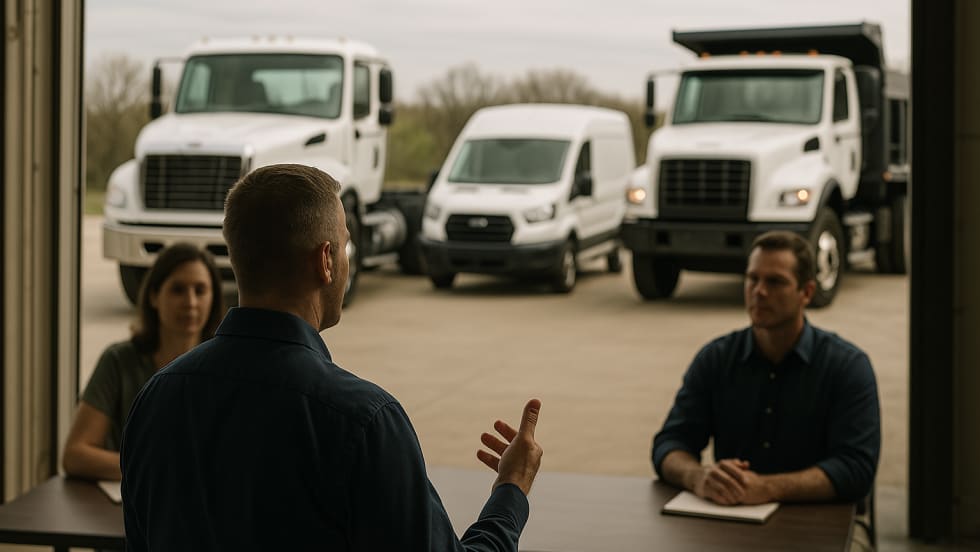
You want customers to check out the new electric vehicles in your motor pool because the more they’re used, the quicker you’ll get a return on investment. But perhaps your drivers don’t know about or trust electric vehicles.
Using a default nudge could be a solution: Set up the electric vehicle as the default choice (if appropriate), so they think about the EV as an option. Drivers who never would have considered taking an electric car might do so for the first time, but if they decide against it, they can choose another vehicle instead.
Improving Safety
People take their cues from others and determine what is normal based on what others do. I visited a fleet facility where they gave visitors safety glasses and made us wear them. This rule on the shop floor creates a culture of safety, and I would think it makes workers more likely to respect safety rules — more so than one where rules such as safety glasses and promptly cleaning up spills are ignored.
Think about shops with signs that say: “100 days without an injury.” It’s a nudge, because I know I wouldn’t want to be the person who resets that counter.
There are also competition nudges. Various safety programs offer gamification, allowing drivers to compete with each other in safe driving practices, and nobody likes to lose.
And it doesn’t only work for safety. Another social nudge could be stating that 95% of technicians close their repair orders in a certain period of time, providing a norm that others can follow.
Nudging in Everyday Life
I’ve been thinking about all the nudging I’ve received in my life.
When I took my car to the dealership, they always asked if I wanted to schedule my next appointment and made me initial a stamped statement confirming that I had declined to schedule it. I read the magazines and buy the candy and gum at supermarket cash registers. Sometimes I don’t uncheck the “mail me promotions and offers” checkbox when I sign up for things.
Companies, the government, your spouse — everyone is nudging you to make certain decisions. And the authors of “Nudge” say that nudging is often unavoidable — when you ask someone to make a choice, how you frame it and the context around it help guide decisions.
How have you nudged employees, drivers, and customer departments to do what you think is best for your operation and public agency?