It still amazes me how much public fleet can be dictated by politics. An elected official can appoint a new fleet manager (if it’s an appointed position), choose to focus on perceived fleet excesses, push forward the idea of privatization, or decide on a greening agenda.
Elected officials have run their campaigns promising to reduce fleet waste or reduce take-home vehicles. Others have promised improved services, which can lead to vehicle purchases such as police, fire, and ambulance vehicles, or refuse trucks.
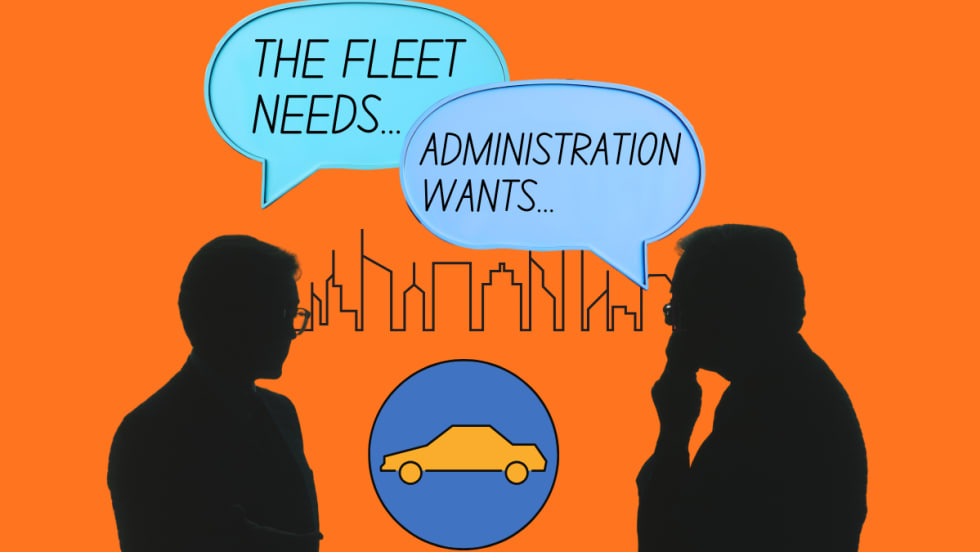
However, officials and administrations that rotate in and out, with little knowledge about fleet but making significant changes to the fleet department, can make poor decisions. What can the fleet manager do?
Who’s Calling the Shots?
A new official with an agenda might not make the same decisions a fleet manager with years of experience and institutional knowledge at the agency would make.
Recently, a new mayor decided to outsource refuse collection and sell the entire refuse fleet for less than its value with, it seems, no input from city council or the employees affected.
One city, in its zeal for fleet greening, purchased a $400,000 compressed natural gas (CNG) refuse truck without consulting the fleet manager on the specifics, said Jim Wright, president and CEO of Fleet Counselor Services. The vehicle turned out to be too large, and there weren’t any fueling stations nearby, forcing the city to sell the brand new truck.
But not all outside interference is negative. Sometimes it takes an outside person in a higher position to make some needed changes. Take the example of take-home vehicles. It’s difficult for a fleet manager to question a long-standing practice of take-home vehicles, especially if they’re being driven by police officers or agency heads. But if an elected official brings it up, it’s a way to re-evaluate the program to see if it’s actually necessary and beneficial.
New York City made a big push to reduce traffic deaths and injuries, and fleet added side guards to vehicles and installed technology to track them. The City of Tampa, Fla., created a city-wide safety initiative, leading the fleet to install fall protection products at the maintenance shop.
Be Proactive
George Hrichak, CEM, CPFP, was in the unique position of being both an elected official and a fleet manager. He serves as the fleet manager for the City of Chesapeake, Va., and from 2007 to 2015, he was on the board of supervisors for York County, Va. He said luckily, in his experience, fleet initiatives didn’t come from the top down, but rather from the bottom up.
Serving as an elected official has allowed Hrichak to better understand the questions officials would ask him as a fleet manager, allowing him to better prepare for meetings. He also saw that he knew a lot more about the inner workings of a public agency than other board supervisors.
One of the ways to combat the political winds is to be prepared for it. For example, if a strong mayoral candidate is running on a privatization platform, perhaps it’s time to compare your numbers and make sure your fleet is running as efficiently as possible.
Wright recommends getting good news into the spotlight. He once worked with a county that invited a TV station to come interview staff after it received fleet certification, during a time when commissioners were scrutinizing the department. He also recommends open houses with current officials and the public.
Political pressure is part of the job of a public fleet manager. However, communication and understanding each other’s perspectives will improve decision making.
What are your experiences with elected officials dictating fleet policies and changes?