As 2025 comes to a close, we’re taking a second look at some of the year’s most meaningful coverage in emergency management fleets at Government Fleet.
These picks are editor-selected, not ranked by pageviews. Each one stood out for the practical takeaways it offers fleet leaders and the conversations it helped move forward. In no particular order, here are five stories worth revisiting.
1. Driving Faster Responses: How Software Solutions Connect Government Fleets
In an age where rapid response can mean the difference between life and death, modernizing emergency vehicle prioritization technology has become a cornerstone of effective first responder operations.
2. Updating Your Fleet Emergency Plan
No two disaster response plans are the same, but these examples make great thought starters when it’s time for updates.
Updating (and creating) a fleet emergency plan may seem daunting, but there are plenty of resources to make the job a little easier.
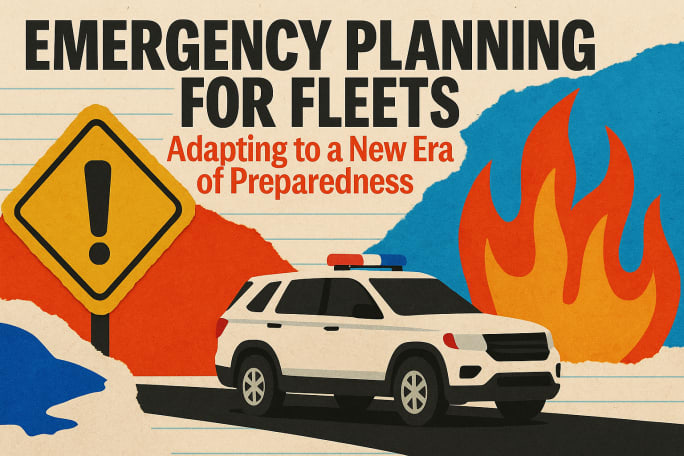
Photo: This utilizes an AI-generated image. Refer to our Terms of Use.
3. Emergency Planning for Fleets: Adapting to a New Era of Preparedness
What a shift in federal emergency policy means for fleets when it comes to operational readiness. Why fleets should keep disaster-response vehicles, equipment, and coordination protocols in a constant state of preparedness.
4. Disasters Have Become a Nationwide Phenomenon — Fleet's Critical Role
If your entity is considering enhancing its disaster preparedness strategy, it should be clear that fleet must be at the table. No response, recovery, or rescue can occur without fuel and a functioning fleet operation.
5. How Cloud-Based Tech Creates Safer Incident Responses
Highlighting emerging technologies that could make roadway incident response safer for law enforcement officers.