Red Government Fleet with star logo
MenuMENU
SearchSEARCH

Providence Police Chief Defends Take-Home Vehicle-Use Policy

PROVIDENCE, RI – Police Chief Dean Esserman is defending the Providence, R.I., police department’s policy that allows district commanders, high-ranking officers, and detectives in specialized investigations to take home their city-owned police vehicles.

by Staff
May 21, 2008
2 min to read


PROVIDENCE, RI – Police Chief Dean Esserman is defending the Providence, R.I., police department’s policy that allows district commanders, high-ranking officers, and detectives in specialized investigations to take home their city-owned police vehicles, according to the Providence Journal.

Recently, WPRI-TV Channel 12 reported that one of the police lieutenants who uses a take-home vehicle lives 80 miles away in Connecticut. The lieutenant was recently promoted as a commander in charge of one of the city’s nine police districts.

All of the district commanders, high-ranking police officials and some detectives and investigators have take-home police vehicles –– about 60 vehicles out of the 297-vehicle fleet.

Esserman said the take-home policy was in place when he was hired in 2003 and he sees no reason to change it. The idea behind the policy is that the rank brings round-the-clock responsibilities. The detectives involved in specialized work keep unusual hours and they need the vehicles for undercover work. The district commanders and high-ranking chiefs are expected to respond to their neighborhood meetings, public events, and major crimes at all times.

While a number of the top-ranking police officials live outside the city, Lt. Dean Isabella lives the farthest away –– with a commute to and from northern Connecticut. The Providence Police Department doesn’t have a residency requirement.

In Rhode Island, the state police are the only law-enforcement agency to have take-home vehicles for its entire contingent. The state police require troopers to live in Rhode Island. Maj. Steven O’Donnell said the state police decided to allow all 213 troopers to take home their police vehicles after a cost-analysis study conducted several years ago found that it would be more efficient, according to the Providence Journal.

The vehicles suffer less wear and tear because they aren’t being used continuously by all the shifts, and the state police have found that the troopers take better care of their assigned vehicles, and they are required to make sure their cars receive monthly maintenance. By having take-home police vehicles, the troopers are also on the job as soon as they leave their homes, which puts more troopers on the road during the shift-change hours.

More Operations

Weekly cheat sheet reset button.
Operationsby Staff WriterFebruary 6, 2026

Is Fleet in a Reset Mode? | GovCast Shorts

On the go and want a snapshot of our top industry news? Check out Government Fleet's new video short of what's been happening.

Read More →
person at laptop taking survey.
Operationsby Staff WriterFebruary 6, 2026

Are You Paid Enough? Fleet Salary Study Open

Work Truck, Automotive Fleet, and Government Fleet have partnered to conduct a salary survey to determine the average salary for a fleet management position in commercial and public sector fleets.

Read More →
SponsoredFebruary 6, 2026

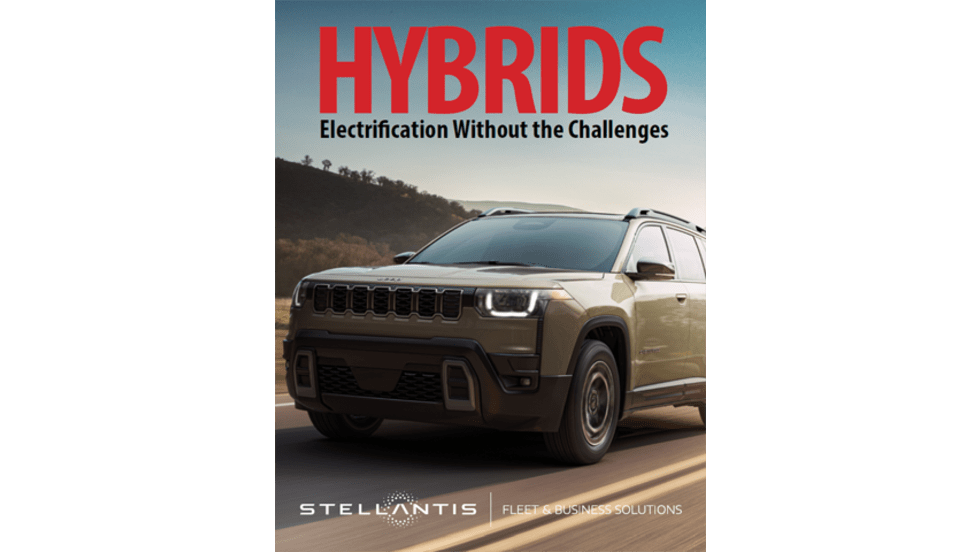
Hybrids: Electrification Without the Challenges

Hybrids bridge the gap between ICE vehicles and EVs, making them a smart choice for fleets that want to reduce emissions but aren’t ready to fully electrify. Hybrids, which are powered by internal combustion engines and electric motors, capture the benefits of electric power without the barriers many organizations find challenging.

Read More →
Ad Loading...
Image showing fleets dealing with budgets, data, and people for success.
Operationsby Nichole OsinskiFebruary 1, 2026

Fleet Performance Comes Down to People, Data, and Budgets

When it comes to the public sector, outcomes are usually driven by three areas fleet leaders can actually control, but it’s combining these into one operating model where operations see the most success.

Read More →
SponsoredFebruary 1, 2026

Why One Car Wash Wasn’t Enough For This Fleet

Limited wash locations can increase travel time, fuel costs, and admin work for fleets. Here’s how one government fleet expanded access and simplified operations.

Read More →
fleet image of check report and words cheat sheet.
Operationsby Staff WriterJanuary 30, 2026

Leading Fleets Lessons, Autonomous Policing, and the BEV Reality Check | The January Dispatch

To keep you in the loop, this episode is a quick reset on what mattered during the past month, from how to turn award season into a practical self-audit to what “leadership” looks like.

Read More →
Ad Loading...
image with the words read learn earn and a BBM star.
Operationsby News/Media ReleaseJanuary 29, 2026

Bobit Business Media Launches New Rewards Program for Industry Professionals

The new rewards initiative, B2X Rewards, is a gamified incentive program designed to increase engagement across BBM’s websites, eNewsletters, events, and TheFleetSource.com.

Read More →
Government Fleet's weekly cheat sheet for the end of January.
Operationsby Staff WriterJanuary 29, 2026

Cold Weather, EV Reality Checks, and What Fleet Leaders Are Doing Next | GovCast Shorts

On the go and want a snapshot of our top industry news? Check out Government Fleet's new video short of what's been happening.

Read More →
Image of man applying for leading fleets.
Operationsby Nichole OsinskiJanuary 28, 2026

Your Leading Fleets Application Can Do More Than Win an Award

Hear directly from this year's judges on what separates standout submissions and use their tips to submit a clearer, stronger application.

Read More →
Ad Loading...
A DASH electric bus parked on a city street in Alexandria, Virginia.
Operationsby News/Media ReleaseJanuary 27, 2026

City of Alexandria's DASH Partners with ABM to Support EV Bus Charging Infrastructure

DASH is expanding its electric bus operations in Alexandria, Va., with new in-route charging infrastructure.

Read More →