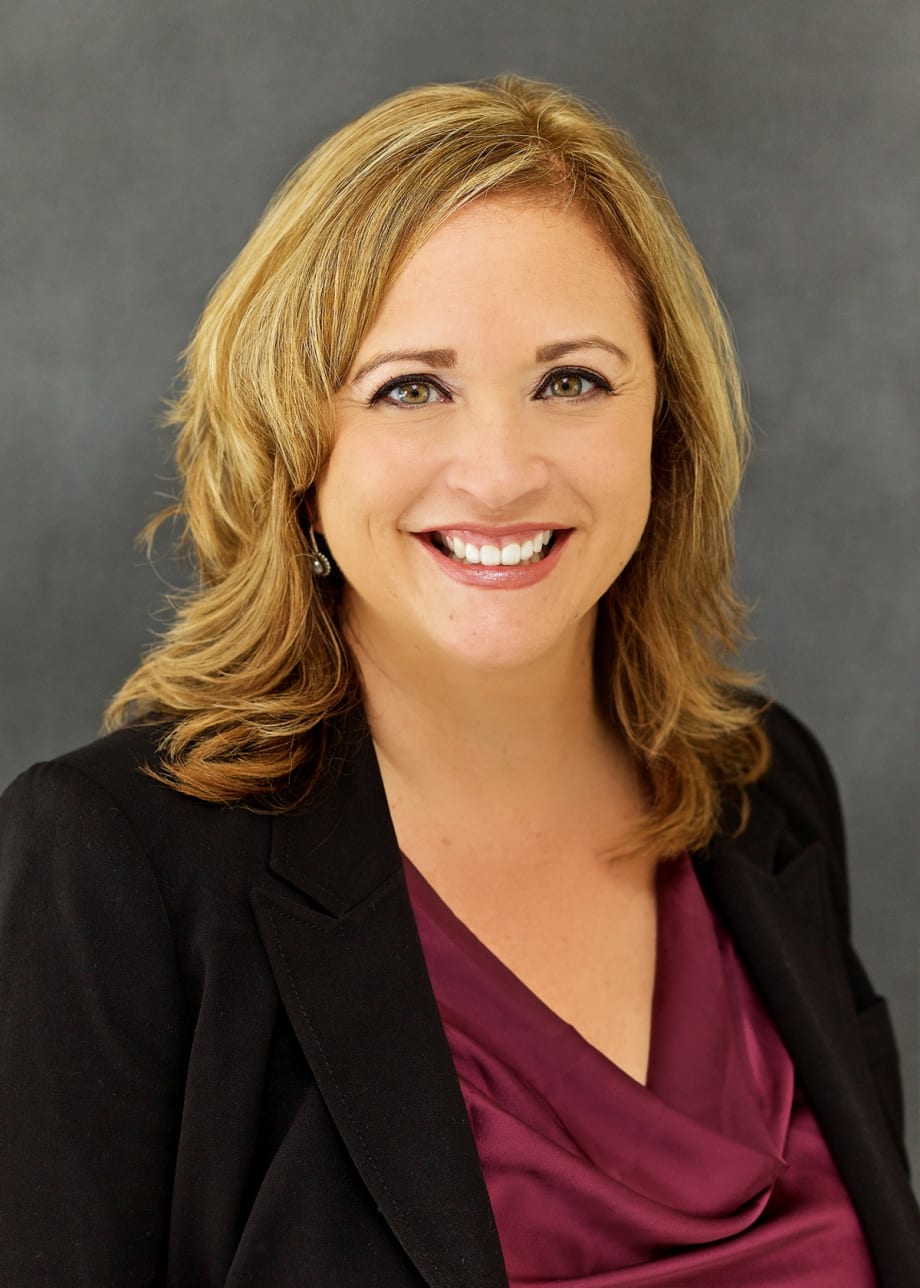
Veronica Kelley, director of the San Bernardino County (Calif.) Department of Behavioral Health
Most public fleet operations are open, working to ensure essential vehicles stay on the road. That means many technicians are at their workstations when many other government workers can stay at home.
Some technicians may be fine with the coming into work, but others may be anxious about their safety or those of their family and friends — or they may be worried about a sick colleague or grieving for a deceased colleague. Government Fleet talked to Veronica Kelley, director of the San Bernardino County (Calif.) Department of Behavioral Health, to discuss how fleet managers can help employees working during this time.
Kelley ran behavioral health operations during the county’s terrorist attack in 2015, which killed 14 people and seriously injured 22 others. She oversaw the deployment of 300 clinicians to provide counseling and support in the first 48 hours after the attack, and they continued to provide counseling for two and a half years after.
Q: What are you doing at the county to handle residents and employees worried about the COVID-19 virus?
A: They can call us and receive counseling over the phone, and we provide them support and behavioral health resources. It's confidential and it's also free. We also have a crisis hotline. We have a couple of numbers out in the community, and we are seeing an increase in calls to all our lines, including our suicide hotline. We've seen an increase of about 40% in calls.
In the month of February, pre-COVID, we would get about 20 calls. In the month of March, all related to COVID-19, we had 1,800 calls. And oftentimes it is simply because they don't know what they're supposed to do during times like this. We provide them tips and some possible solutions.
Q: How can fleet managers better manage their teams during this time?
A: An important thing for managers or business owners to remember is that their employees do see them as leaders. So it's important to check in with your workforce as often as possible, and that can be something as easy as sending e-mails to everyone every day with maybe an appropriate motivational quote or an appropriate joke. Something so that they know that they can rely on you that you are still there for them.
You can get creative with technology. What we've done here, and I have 1,100 employees, I've done Facebook Live. We have our Facebook page, which you can make a private page, and you can invite your employees to join and let them know that you're going to do Facebook Live. And we answer questions and you can get likes and comments in real-time. You could also do the same thing with a WebEx or Zoom. I do a thing called “minute with a director.” It's just a videotape of myself giving up-to-date information.
The comments we've received so far, they're very thankful, because when we are telecommuting, and we're isolating, we feel alone. Use technology to reach out, send e-mails, or call if your department is small enough so that they feel connected.
Q: How can they help employees deal with anxiety?
A: People need to know the difference between facts and feelings and be able to get their information from trusted sources. A trusted source would be the Centers for Disease Control & Prevention (CDC), or the state or local county Department of Public Health. That's important because there's a lot of misinformation and rumors that are out there. Once you know the facts, it's much easier to separate the fact that this is a virus that handwashing with soap and water kills. That's very different than this feeling of panic we have if someone gets too close to us.
And follow the CDC recommendations, follow your governor's or mayor’s rules. If the rule is covering your face, then cover your face. And keep physical distancing of at least six feet. Practice good hygiene, so washing our hands with soap and water and disinfecting surfaces often.
We just need to do what we're told to do. I think sometimes as Americans, we have trouble with that, or as adults, we have trouble doing what we're told to do. But we are seeing in many states, the flattening of this curve, so I think listening to your public health officer is important.
Most of us feel out of control. Finding things you can control, such as looking for appropriate information, facts about COVID-19, and how to protect ourselves, will give us a sense of control.
Q: Some fleet teams have lost members due to the COVID-19 disease. Any advice on how to handle grief?
A: Grief is a normal, natural process, but it's very different for everybody. And on top of normal grieving, right now what we're having is we're separated from those co-workers, and then we find out that they're deceased. And we're not allowed to go to a funeral for them, which is part of the grieving process for most cultures.
One thing a manager could do in collaboration with a fallen comrade’s family is to create some sort of a memorial, maybe on Facebook, a private Facebook posting or something that could be done remotely, because that would be very helpful.
And just knowing that the grief process will take as long as it takes, and the only way to get through it is to go through it. It's important as well to share it with somebody. Maybe you talk to your dog or you call up your friend, or you journal, even if you don’t show it to anybody, at least you've gotten it physically out of your body. Taking care of those processes at a time like this is important because we know trauma is cumulative. So if you went through trauma in your life, and most of us have, if you haven't dealt with it, it's still there.
Q: Do you have any other advice for our readers?
A: I think it’s important to not spend every waking hour listening to or watching the news about the COVID-19 pandemic. Our brains can't take that kind of constant barrage of information of a negative nature, and so it increases our anxiety.
Stay health focused. Eat healthily, get plenty of rest, engage in activities that you can do, that you enjoy, and exercise. Also, human beings are social beings, and we need to connect. That means we pick up our cell phones and we use it to call people, or send e-mails or texts or use social media.
And just remember that we absolutely are all in this together. We're just six feet apart wearing face coverings.