





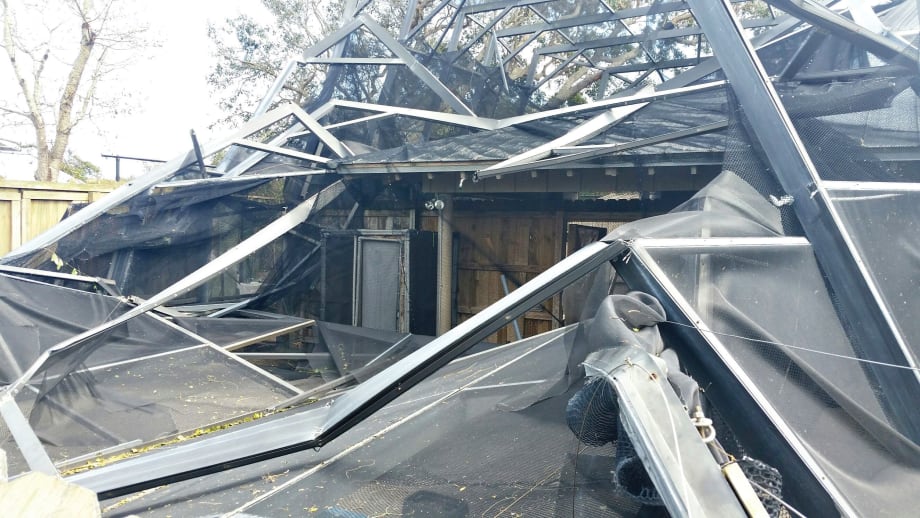

Even with preparation, not all buildings are disaster-proof. The Volusia County (Fla.) marine science center’s bird aviary was completely destroyed from the storm surge. Photo courtesy of Volusia County
Although George Baker wasn’t in Volusia County, Fla., when Hurricane Katrina hit in 2004, he said the hurricane completely changed the way his government fleet prepares for natural disasters. When news of Hurricane Matthew came around in September 2016, the central services director had a 100-page disaster preparedness manual to work from.
Hurricane Matthew caused considerable damage in the Caribbean before hitting the Southeast United States in early October 2016. Many Southeast fleets were able to prepare for the storm, which hit during hurricane season. However, disaster mitigation plans can only protect so much. Cleanup and recovery are inevitable.
Fleet Needs a Seat at the Table
A key takeaway from Hurricane Matthew is the importance of coordinating with other agencies. This begins before a natural disaster is even on the horizon, when planning first begins.
The City of Charleston, S.C., recently opened a new emergency operations center (EOC) designed to withstand hurricane force winds. Scott Newsome, director of police and city fleet management, said department and division heads from across the city meet at the new center any time there is a possibility of landfall.
“We’re right on the coast of South Carolina and we’ve gone through a number of hurricanes, tropical storms, and tropical depressions during my time here,” he said.
Newsome said Charleston’s EOC is activated at the same level every time, even during tropical storms or depressions, so city officials have plenty of practice by the time named storms and hurricanes hit. This practice is necessary for a seamless response effort.
“Make sure you are actively participating in all exercises with your EOC. An actual event is not the time for training,” CJ Thompson, director of intra-governmental services for the City of Jacksonville, Fla., said.
Volusia County established a centralized emergency response building, in which 16 cities and school districts within the county operate from one space. Central Services, Baker’s division, is in charge of maintaining the 150 generators hooked up to all county buildings. In the event of an emergency, it is also responsible for refueling the generators at privately owned shelters, generally at schools or private business. This requires regular communication with the emergency management director to ensure fleet has a current list of shelters and no one is left without power. This task is facilitated by a centralized EOC.
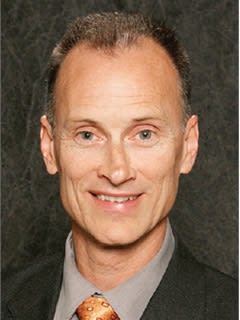
Baker
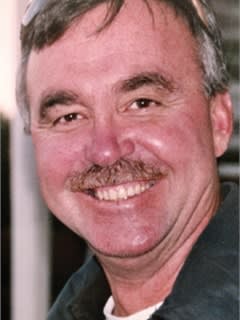
Newsome

Thompson
Fleet Preparation Before the Storm
Newsome said his fleet’s primary duty in storm response is to keep equipment running, so the team stocked up on extra parts, including tires and hydraulic hoses. In addition to saving response time, it may be necessary if vendor partners haven’t opened back up yet. This came in handy after Hurricane Matthew.
“We had pieces of critical gear with broken parts that even a vendor wouldn’t have had if they were open,” he said. “Do your preventive maintenance, make sure your equipment is in good shape prior to storm season, and keep plenty of spares.”
Thompson’s team in Jacksonville reached out to the Sheriff’s Office, Fire, and Public Works to identify critical vehicles and prioritize open work orders. The city also ensured all fuel sites were as full as possible, getting all fuel deliveries in before the storm reached Florida.
Volusia County places great importance on its generators. In order to keep all 150 generators running, staff members have taken on all maintenance in-house rather than relying on vendors.
“We couldn’t get our generators worked on [after Katrina],” Baker said. “The private sector was probably paying more. So after that, we formed our own generator team. We got our mechanics generator-certified and we got a truck with a load bank in it.”
Before hurricane season starts, all of the county’s generators are put under 100% load for two hours to test whether they will overheat, leak, shut off, or fail. The fleet also conducts annual preventive maintenance on all generators.
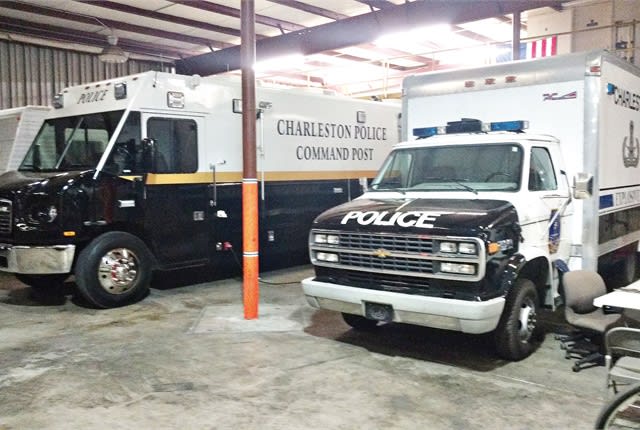
During Hurricane Matthew, fleets kept non-essential vehicles inland or high enough to avoid flood damage. Photo courtesy of City of Charleston
Getting Fleet Vehicles to Safe Ground
While preparations were still being made, Newsome encouraged all employees to take care of their own homes and families first before returning to work.
“They may need some time off to board up their homes or get their families moved to safe spaces,” he said. “Get those things done and out of the way so you can concentrate on your role within the city as the storm gets closer.”
Of course, fleets must work to keep their own assets safe in addition to their other duties. For Baker, this meant moving all vehicles inland, to an area of Volusia County that the storm was not expected to reach. Although a few vehicles were hit by falling trees, Baker said this plan worked, and only about eight of the fleet’s 2,500 vehicles were damaged.
Rather than looking inland, the City of Charleston moved up. Newsome said the fleet took advantage of the city’s parking structures, moving fleet vehicles high enough to avoid the storm surge, which was estimated to reach up to 9 feet. They were also able to take advantage of local colleges with parking garages that sent their students home for the storm. Although Newsome said the storm surge was closer to 6 feet, it still kept the vehicles out of harm’s way.
Fuel Management During the Disaster
To ensure a quick and thorough response, Newsome stressed the importance of having fuel on hand. “Fuel cards aren’t enough when retail sites aren’t open,” he said.
Maintaining a sufficient fuel supply was also important for Volusia County. In addition to the new generators, the county faced a major fuel shortage after Hurricane Katrina.
“For two weeks, 51% of our vehicles were off the road because we were almost out of fuel. This time, we didn’t stop anything,” Baker said. “Now, we can go 25-28 days without receiving a drop of fuel. There are not a lot of agencies that can say that.”
This time around, Volusia County increased fuel stock by about 70,000 gallons to ensure it had enough for its fleet and generators.
When demand is high, it can be difficult to obtain enough supply. The county partners with seven other agencies in Central Florida to cooperatively buy fuel. In addition to lower fuel prices, this also gives the agencies more leverage in instances like this, when fuel is limited and supplied to major customers first.
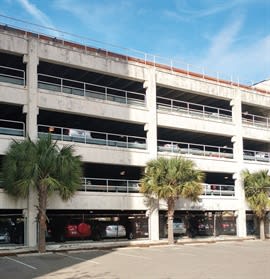
The City of Charleston, S.C., owns a number of parking structures, such as the one pictured, and moved its fleet vehicles to higher levels to avoid flood damage. Photo courtesy of City of Charleston
Moving Forward After the Hurricane
Fortunately, the fleets didn’t incur as much damage as expected, and were able to return to business within a few days. The City of Jacksonville faced a pump failure at one of its fueling stations and a partial loss of power, and the City of Charleston dealt with a few vehicles that drove into high water. For both cities, debris was the most significant problem, and removal efforts continued for months after the storm.
Although some of Volusia County’s assets were damaged, including beach structures and a bird enclosure, most facilities remained intact. Baker estimates that of the $27 million in damage incurred, $17 million covers debris removal alone.
Newsome noted the importance of reporting all response activities, especially since it is reimbursable by the Federal Emergency Management Agency (FEMA).
“It’s imperative that you keep records of everything: how many hours a machine ran; how many hours your personnel worked; how many hours your personnel were held over, even in their rest period. Insurance claims need to be documented on any equipment or buildings you lost,” he said.
Documentation is also important to have on hand when planning for future events. Using the information collected this year, Volusia County is establishing a five-year plan to further improve its emergency response efforts.
Thompson noted that although the city has a plan in place and the fleet is capable of taking care of its duties, documenting procedures is something his team plans to improve in the future. This includes keeping a better record of where employees are in case they need to be called in.
“Due to the amount of bridges in Jacksonville, we are going to map all of the employees by job type and home address to give us a better understanding of available resources in the event that some bridges are not open,” Thompson said.


![Propper International HLX: Hybrid Lightweight Crossover [|CREDIT|]Photo: Propper International](https://assets.bobitstudios.com/image/upload/f_auto,q_auto,dpr_auto,c_fill,w_980,h_552/pm.propper-aug19hp_1759864252351_m5ncl6.jpg)