Red Government Fleet with star logo
MenuMENU
SearchSEARCH

Greene County Sheriff Considers Propane for Fleet

CATSKILL, NY - Greene County Sheriff's Office expects to save up to 50 percent annually on fuel costs with an alternate fuel system that would enable vehicles to run on either gasoline or propane.

November 5, 2009
2 min to read


CATSKILL, NY - The Greene County Sheriff's Office has applied for a grant that could equip its existing fleet of vehicles to an alternate fuel system that would enable them to use either gasoline or propane, according to The Daily Mail.

Sheriff Greg Seeley said he put the county on a list seeking a grant from the New York State Energy Research and Development Authority (NYSERDA), which would fully pay to have the system installed.

Seeley test drove a vehicle that had been converted to the new fuel system, and said it operated at the same level as a conventionally gas-powered car. A sheriff in Georgia has already converted his entire fleet of vehicles, and has given the system high marks, Seeley said.

"NYSERDA is coming out with the grant, and a Georgia sheriff's office is already converting their cars to alternate fuels," Seeley told the legislature. "There is a button in the car - it runs on gasoline and starts on gasoline, and if you want to switch to propane, you can do that, too."

Seeley also said that while he has put in for the grant with the state, the county is not obligated in any way to convert the vehicles, and if they do decide to go through with it, there would be no cost to the county because the grant would fully pay for the conversion.

The new fuel system would be installed by a New Baltimore-based company, and would be maintained by the county's highway department, just as its conventionally powered vehicles are maintained.

Seeley said the goal is to save money on high gas prices, and give drivers the option of using either gas or propane - whichever is cheaper or more convenient at the moment. In addition, he said the vehicle is very efficient, cuts down on vehicle wear-and-tear, and "gets just as much power as a conventional vehicle."

Interim County Administrator Dan Frank said the return on investment would be immediate. "If NYSERDA pays for it, it would be an immediate savings to the county, and the cost of propane is about half that of gasoline," Frank said.

The cost of converting each car to the new fuel system would be $4,000, which would be paid for through the state grant. The sheriff's office has 20 vehicles, and the grant would be used to convert the entire fleet. Seeley expects to save between 40-50 percent on fuel annually, reported The Daily Mail.

More Fuel

SponsoredFebruary 1, 2026

Why One Car Wash Wasn’t Enough For This Fleet

Limited wash locations can increase travel time, fuel costs, and admin work for fleets. Here’s how one government fleet expanded access and simplified operations.

Read More →
SponsoredJanuary 19, 2026

Basic Tracking vs Next Generation Fleet Technology

Fleet software is getting more sophisticated and effective than ever, tying big data models together to transform maintenance, safety, and the value of your existing tech stack. Fleet technology upgrades are undoubtedly an investment, but updated technology can offer a much higher return. Read how upgrading your fleet technology can increase the return on your investment.

Read More →
SponsoredJanuary 19, 2026

3 New Ways Fleet Software Pays: ROI opportunities for modern fleet managers

Public fleets face constant pressure to do more with limited budgets. This eBook outlines how modern fleet software helps agencies extend asset life, reduce unplanned downtime, and improve safety by automating maintenance, using smarter video insights, and unifying fleet data. A practical look at how technology can drive measurable ROI for taxpayers.

Read More →
Ad Loading...
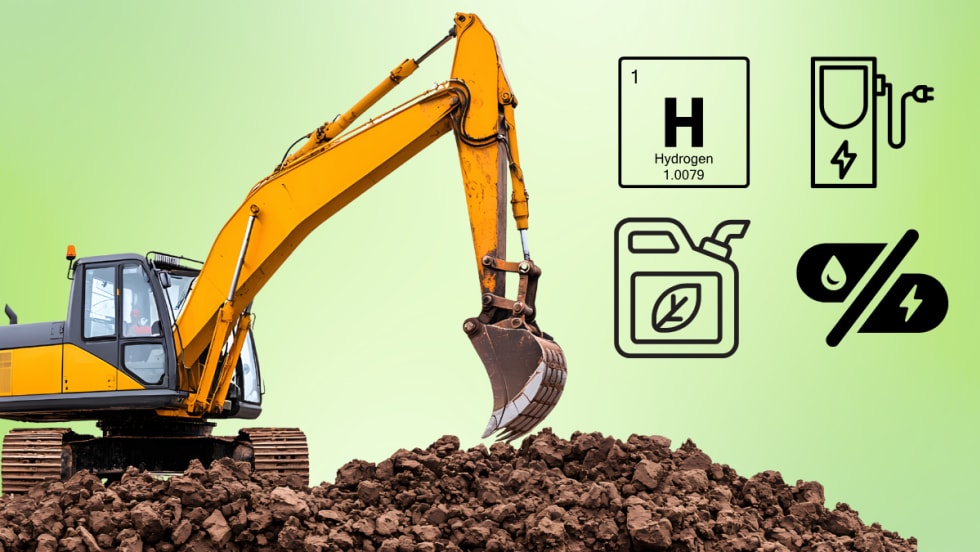
Yellow excavator digging in a dirt pile beside icons representing hydrogen, electric charging, renewable fuel and hybrid energy.
Fuelby News/Media ReleaseDecember 2, 2025

Planning for Future Technologies: Hydrogen and Beyond

As public agencies work to cut emissions from off-road operations, fleets are turning to a mix of renewable fuels, hybrid systems, battery-electric equipment and emerging hydrogen technology.

Read More →
A person holds a RoadFlex Visa fleet card in front of a gas pump, with the Refuel logo visible in the background, representing the new partnership expanding fueling access for government fleets.
Fuelby News/Media ReleaseOctober 14, 2025

RoadFlex Expands Fuel Network with Refuel Partnership

RoadFlex expands its fueling network for public sector fleets through a new partnership with Refuel, adding more than 250 locations across the Southeastern U.S. to improve access, savings, and efficiency.

Read More →
FuelJune 3, 2025

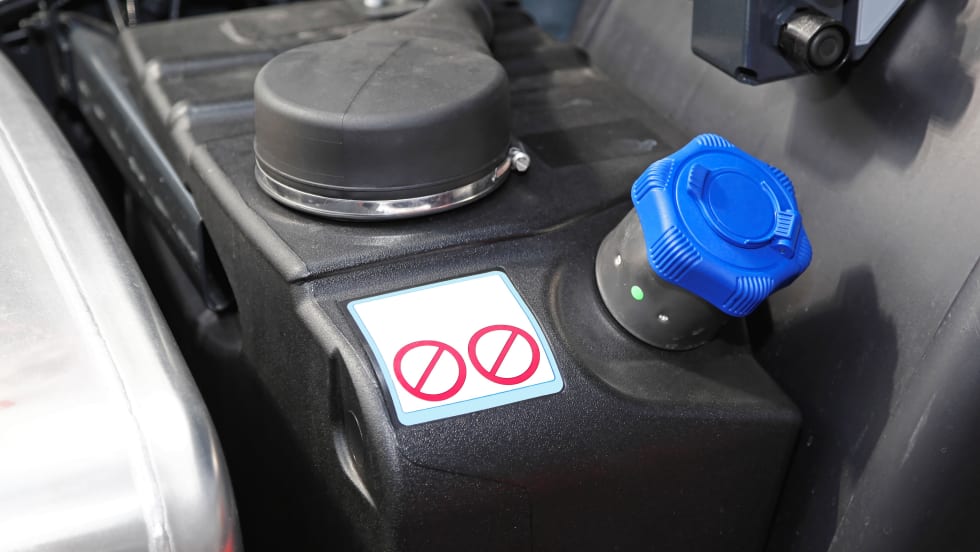
Rislone DEF Treatment Designed to Keep Diesel Exhaust Fluid Crystal-Free

Rislone is rolling out a super-concentrated version of its Diesel DEF Treatment that is designed to stabilize and improve diesel exhaust fluid.

Read More →
Ad Loading...
Illustration: Sequoia Blankenship
FuelMarch 5, 2025

Are Bi-Fuel Propane Autogas Vehicles Making Law Enforcement Fleets More Resilient, Cost-Effective?

How a Florida sheriff office’s choice in fuel system led to a healthier budget, increased resiliency, and decreased emissions.

Read More →
Fuelby Daryl LubinskyDecember 6, 2024

Fleets All-In On Fuel Management Tech

Fuel management can become a tricky obstacle, but smart strategies and new tech have turned it into a well-oiled machine where price prediction is art, and cost control is science.

Read More →
FuelOctober 30, 2024

Prepare Diesel Trucks for Winter with Diesel Exhaust Fluid

Understand proper DEF purchasing, handling, and storage practices in order to meet regulatory requirements and operates at peak performance.

Read More →
Ad Loading...
Propper International HLX: Hybrid Lightweight Crossover [|CREDIT|]Photo: Propper International
FuelJune 11, 2024

Diesel Exhaust Fluid (DEF) Locator

Yara, a diesel exhaust fluid (DEF) producer, offers a DEF locator website to help get the fluids fleets need.

Read More →