



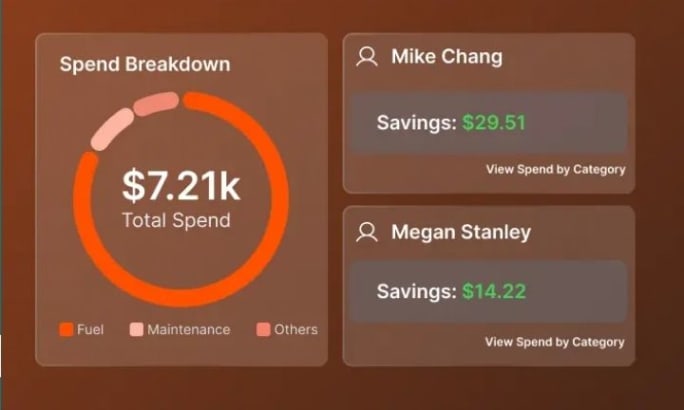
Make sure your fuel cards connect to your telematics. This lets you verify location, movement, and tank size in real time.
Photo: RoadFlex
Fuel fraud doesn’t always show up in big, flashy ways. In a government fleet, it’s usually death by a thousand cuts—small things that slip through the cracks. A tank filled twice in one day. Premium fuel when regular would do. A fuel-up on a Saturday when the vehicle didn’t move all weekend.
If you've been in fleet long enough, you’ve seen it.
And while most of us have solid onsite fueling systems in place, like automated pumps and locked-in controls, the real trouble starts when vehicles go offsite. Take-home units, out-of-town jobs, emergency fill-ups, they’re all legit needs, but they also open the door to misuse.
So how do we tighten it up without turning into full-time investigators?
We integrate. And we pay attention to what the data’s telling us.
Where Fuel Slips Through the Cracks
Let’s be honest—fuel card misuse isn’t always fraud. Sometimes it's someone punching in the wrong odometer, topping off a buddy’s truck, or grabbing premium because they think it’s “better.” But whether it’s a mistake or something more intentional, it costs your operation all the same.
Most of it happens outside the walls of the yard, where our usual fuel controls don’t follow the vehicle. And that’s exactly why modern fuel card tools—when paired with your telematics, on-site fuel management system, and FMIS—are changing the game.
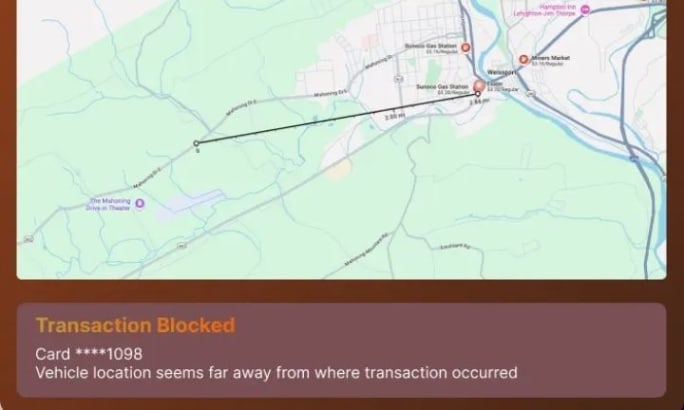
Fuel misuse isn’t always obvious, but the right tools can help.
Photo: RoadFlex
It’s Not Just the Card—It’s What It Connects To
The old way of managing offsite fuel was to check a monthly report and hope nothing looked weird. That doesn’t cut it anymore.
Modern platforms can:
Prevent fuel purchases if the vehicle, driver, and card aren’t at the fuel location.
Catch mismatched odometer readings.
Block fill-ups that don’t match the tank size.
Trigger alerts if someone’s fueling more than expected—or in the wrong place.
Here’s the trick: none of this works in a vacuum. These tools only shine when they talk to each other—your fuel card platform, on-site fuel management system, your telematics, and your FMIS. When they’re connected, you get a full view of how, where, and why your fuel is being used.
That means no more digging through three systems to figure out why Unit 512 fueled twice in one day. Everything’s in one place, mapped to real vehicle movement, job assignments, and your actual fuel spend.
The Payoff of Integration
When systems work together, you stop playing catch-up. Instead of hunting down issues after the money’s gone, you get ahead of them. Real-time alerts flag problems while they’re happening. Reports show you where to focus. And if you do get questioned—by leadership, finance, or the public—you’ve got the data to back things up.
And let’s not ignore the trust factor. Clear policies and automated checks protect your drivers too. When something looks off, it’s the system—not someone in the office—asking questions. That’s a win for everyone.
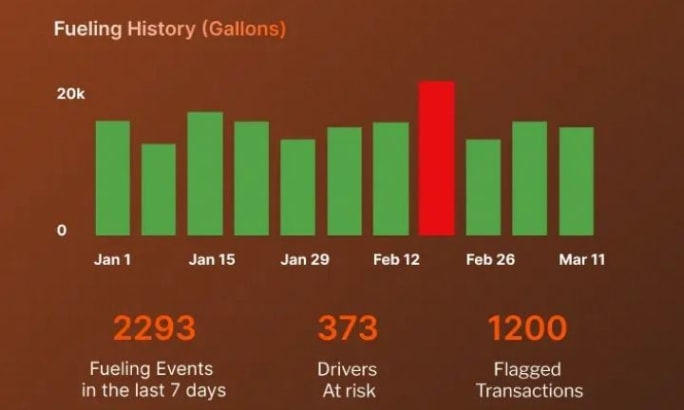
Set reasonable rules for limits, time windows, and fueling locations.
Photo: RoadFlex
A Few Moves That Make a Big Difference
If you want to tighten up your fuel oversight without adding hours to your week, here are a few simple things to put on your checklist:
Make sure your fuel cards connect to your telematics. This lets you verify location, movement, and tank size in real time.
Integrate your fuel data with your on-site fuel management system and FMIS. This brings all your spending, usage, and exceptions into one view—no spreadsheet mashups required.
Use exception alerts to focus your reviews. Don’t waste time combing through clean transactions. Let the system surface the stuff that needs a second look.
Set reasonable rules for limits, time windows, and fueling locations. If a vehicle never fuels past 20 gallons, cap it there.
Train your drivers on the why, not just the rules. Most folks want to do the right thing—but they need to know what right looks like.
The Bottom Line for Fleets
Fuel misuse isn’t always obvious, and it’s rarely fixed by yelling louder or reviewing more reports. It’s fixed by giving yourself the right tools—and making sure they work together.
Whether you run 50 units or 5,000, the story’s the same: when your systems are connected, your risks go down, your oversight goes up, and your headaches get a lot smaller.
And if you’ve ever sat through a fuel audit with half-matching records and sticky notes holding things together, you already know—this kind of cleanup is worth it.