![A Complete Guide to Being a Fleet Manager [Part 2]](https://assets.bobitstudios.com/image/upload/f_auto,q_auto,dpr_auto,c_limit,w_920/fleet-manager-fleetio_1770693526453_ge1i1w.jpg)
If you lined up 10 fleet managers and asked them what they did, you’d probably get quite a variation in answers, but you’d also find that there are several core focuses that remain top-of-mind no matter the fleet size or operational output.
Fleet managers are the ones who coordinate keeping fleet assets safe and running while staying apprised of industry challenges that could impact staffing, uptime, costs, routing, etc. But the key question here is: How? Well, let’s get into it.
What Does a Fleet Manager Do?
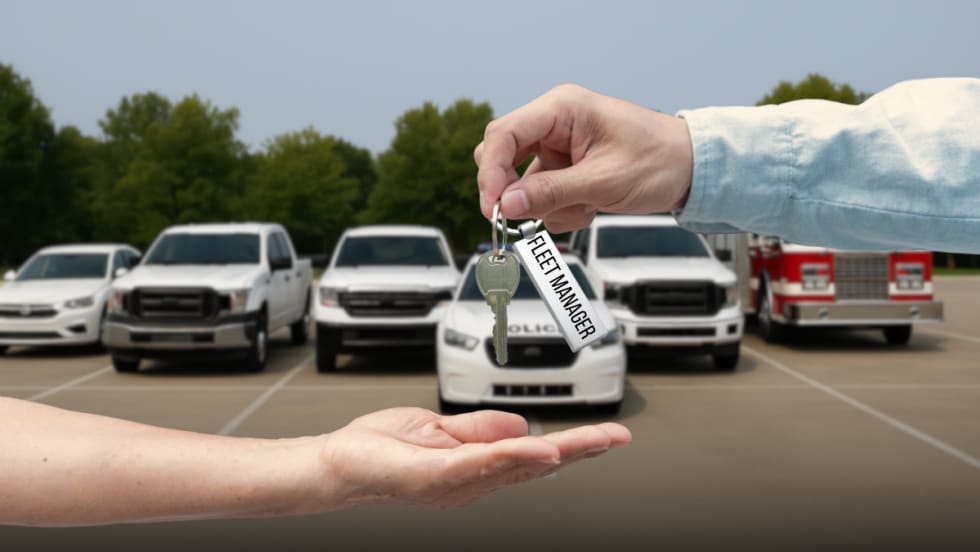
A fleet manager is the person responsible for anything and everything related to an organization’s assets, which can range from vehicles and equipment while also including drivers and/or operators, technicians, dispatch, routing, and more.
Over the course of a single day, a fleet manager might purchase a new truck, schedule maintenance work, and review recent fuel spend or, essentially, whatever it takes to ensure asset-involved operations are safe, productive, cost-effective, and in compliance with federal, state, and local regulations.
Essential Skills for Fleet Management
Data analysis plays a significant role in fleet management, as being able to track and understand the operation as a whole allows you to improve areas that need it.
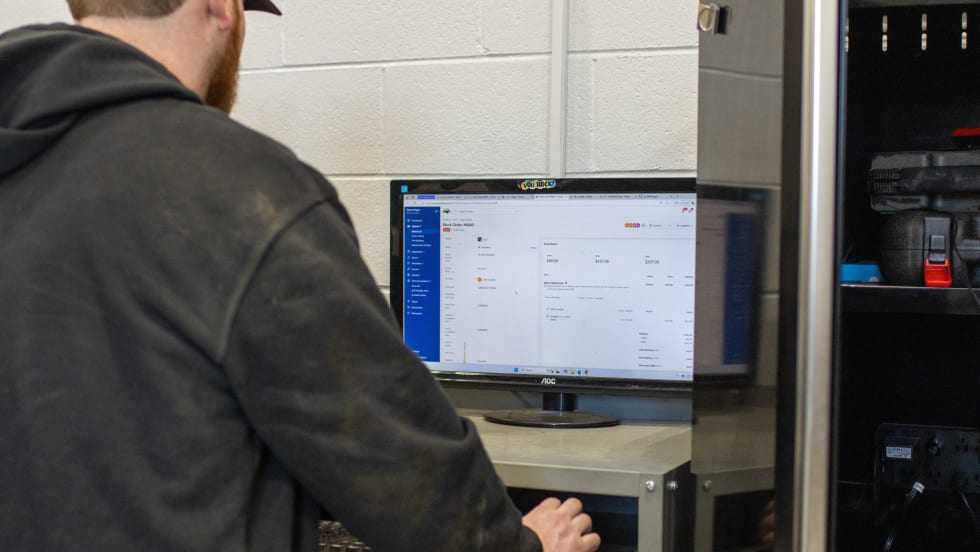
And while fleet maintenance and management solutions, like fleet optimization platforms, can greatly reduce the burden here, having a fancy program that can calculate total cost of ownership (TCO) and cost per mile (CPM) for you doesn’t negate your need to understand those concepts. You should still be able to look at reports with a sense of expertise to discern the story the numbers might be telling you.
And, sure, it can be tempting to allow your software to do all the heavy lifting without having to understand what it’s doing, but failing to understand the data can get…messy.
Knowing where your data comes from and how it’s being created — things like inspection reports, telematics data, in-house or third-party work orders, fuel logs, etc. — can help you verify its quality and accuracy. You’ll also want to audit the processes you use to get that data to make sure it’s being collected in the most effective way possible.
Fleet Manager Responsibilities
As the head of fleet operations, fleet managers oversee every stage of an asset's lifecycle. They handle procurement, aim to maximize an asset's useful life, and decide when disposal is the most cost-effective option.
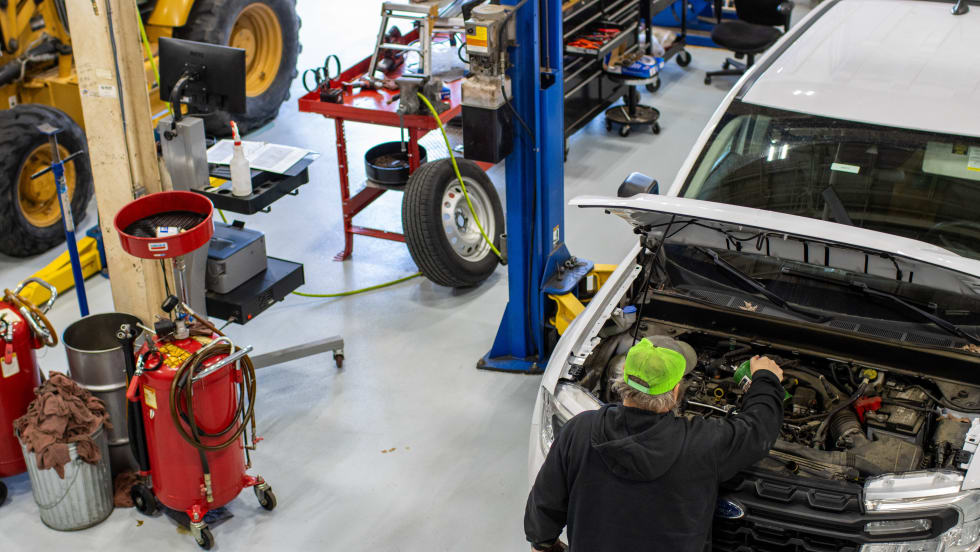
During that middle phase — often considered the utilization phase — fleet managers are tasked with ensuring asset needs are addressed proactively through preventive maintenance (PM). They decide what tasks are performed, when they're performed, who performs them, all while monitoring process inefficiencies, such as shop delays or poor PM compliance rates.
Most fleet managers base their PM schedules on manufacturer recommendations, but depending on how demanding their operations are, they may bring assets to the shops more regularly. Additionally, fleet managers are tasked with keeping costs under control, especially fuel, as it’s one of the largest expenses for most fleet-driven operations.
At the end of the day, fleets are powered by people, which makes overseeing those people a core aspect of being a fleet manager. “When talking with the internal employees [...] my big drive was to really just figure out some of the concerns and problems that they were facing on a daily basis.
Many of the existing employees have been here for quite a long time, so [...] they're familiar with some of the issues the fleet has faced in the past, some of the things that they've tried to remedy those issues,” explained Bill Spare, fleet manager for the town of Apex in North Carolina.
Fleets have finite funds to work with, and with government fleets, the purse strings can be especially tight. This makes budgeting a key responsibility for most fleet managers, which makes reviewing past financials essential to making future projections.
Fleet Management Challenges and Solutions
Fleet managers contend with both industry-wide and organization-specific difficulties on a daily basis. While costs had been steadily rising for decades before, fleet expenses have exploded in the wake of the pandemic. According to Kelley Blue Book, cars cost north of $10,000 more today than they did pre-pandemic. On top of that, 2024 saw the biggest year-over-year spike in insurance costs since 1976.
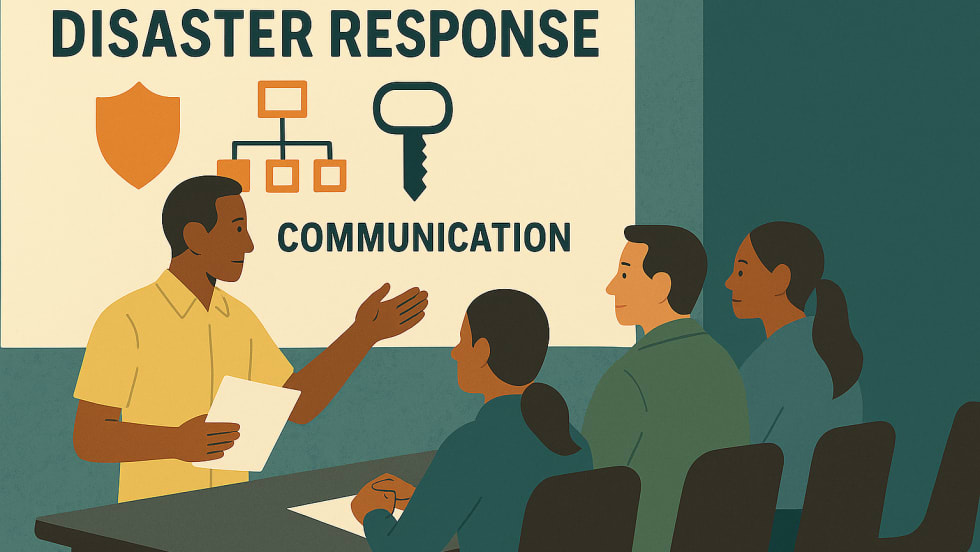
When fleets have finite funds to work with, seemingly minor inefficiencies can quickly add up. To work at their best, a fleet manager needs to ensure any employees driving or working on an asset — and that includes third-party shops — are on the same page to alleviate downtime due to less-than-stellar communication.
Unfortunately, achieving that alignment is much easier said than done. Simple things like forgetting to update the status of an asset can lead to miscommunications that waste time and money while negatively impacting the community served.
Fleet Management Career Path
“There are two common career paths that we've observed: the technician path and the administrator/accountant path,” noted Kevin Chan, director of Product Marketing at Fleetio. “Both trajectories equip folks with skills and experience that are indispensable as a fleet manager.”
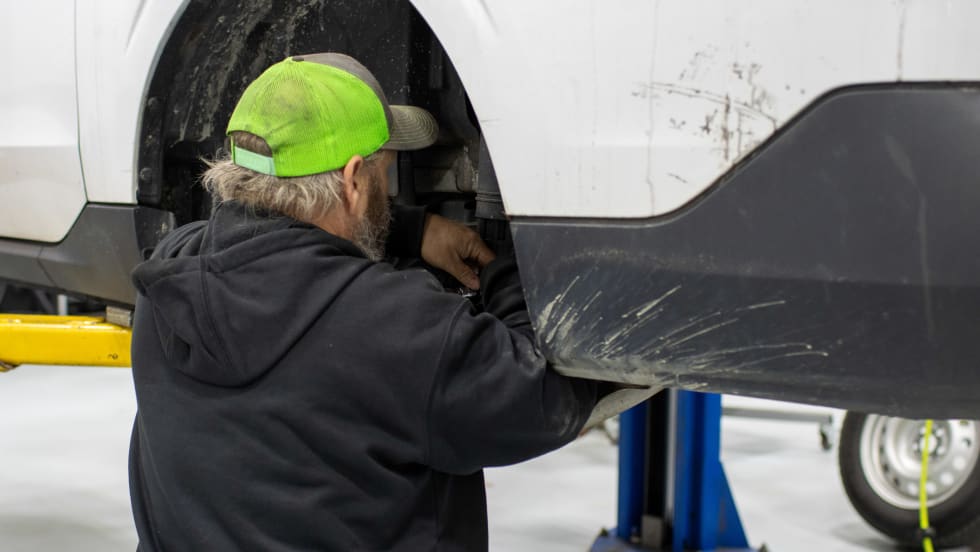
Working as a technician teaches future fleet managers the value of PM compliance, how to handle work orders, what conditions improve and hamper shop productivity, and more.
From there, becoming a shop foreman helps fleet professionals learn how to manage mechanics, delegate work, and monitor costs. After some time leading shop operations, many shop foremen are well-positioned to make the leap to fleet manager.
Conversely, administrator and accountant-type roles hone expense management and data analysis skills in their lead-up to running a fleet. A huge part of being a fleet manager is reviewing records to ensure data accuracy and to glean insights that can be used to inform decisions, so developing those abilities can be a major benefit later down the road.
If you’re still learning the ropes of being a fleet manager, consider these recommendations to start this new phase of your career on the right foot:
Build strong relationships with drivers and technicians: The more comfortable your personnel feel around you, the more willing they’ll be to share concerns and suggestions that you can use to improve the safety and efficiency of your operation.
Prioritize PM: Preventable breakdowns cost way more than consistent maintenance so, to get the most of your budget, ensure the needs of your assets are addressed in advance (or at least in a timely manner).
Adopt digital fleet solutions: Spreadsheets are time-consuming, prone to errors, and difficult to share with your colleagues, so use digital solutions specifically designed for fleet management instead. GSA-approved solutions might even make the argument for investment a little easier.
Understand data and metrics: Metrics communicate the health and productivity of your fleet clear as day, so learn how to run reports that provide the KPIs most relevant to your operations.
Success in fleet management requires analytical, organizational, and communication skills and, while ensuring asset health and safety are main goals, don’t discount the power of people leadership.
After all, those who operate the assets on the daily are your strongest line of defense when it comes to surfacing not just asset issues, but other operational issues, including poor workflows and processes in need of being updated which, in turn, helps you build a more reliable fleet operation.