Every fleet has opportunities for improvement, whether that’s being more proactive with safety, simplifying fleet maintenance, being more consistent across fleet processes, or using data and technology to enable smarter decision-making.
Stephen R. Covey, author of the best-selling book The 7 Habits of Highly Effective People: Powerful Lessons in Personal Change, says “ineffective people live day after day with unused potential.” The same is true for fleet managers overseeing complex fleet operations on a daily basis.
The potential to manage your fleet effectively while ensuring the safety of both employees and the community can often go untapped, but there are certain habits you can adopt to get to that point and, possibly, beyond. These best practices, when applied appropriately, can really make a difference in your company’s bottom line and the overall safety of your workforce.
1. Be Proactive about Safety
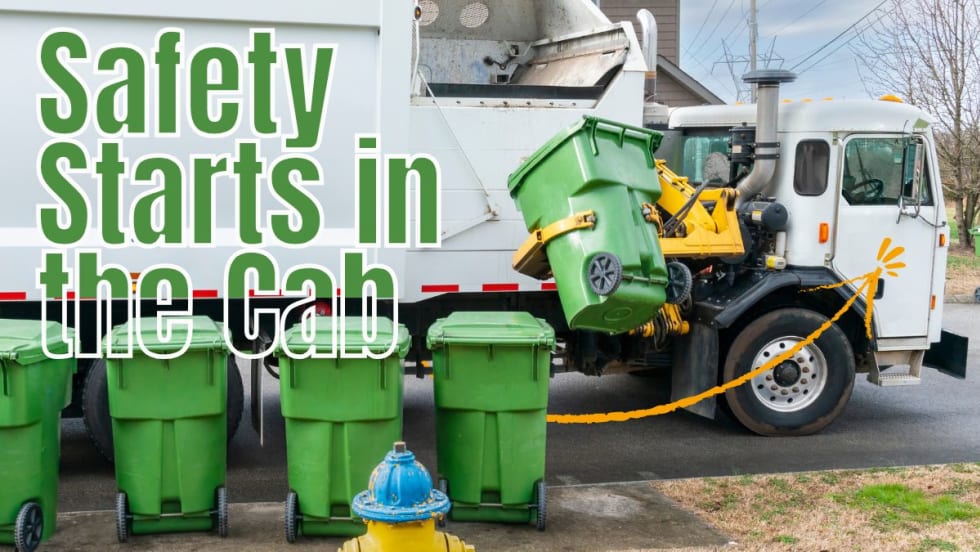
Individuals operating government fleet vehicles aren’t immune to the same distractions and safety hazards private fleet drivers face and, in some circumstances, they can affect response times in emergency situations. It’s always a good idea to get ahead of any potential problems when possible, including using hands-free devices, driver behavior monitoring systems, or in-cab cameras.
You can also integrate the data you get on driver behavior from your telematics devices into a digital fleet optimization platform, and more closely analyze the effect those behaviors are having on both the drivers and your assets. Of course, while fleet technologies can be a great source of help regarding safety, don’t sleep on getting real-world feedback from the team who’s on the road each day.
2. Make Fleet Maintenance Simple
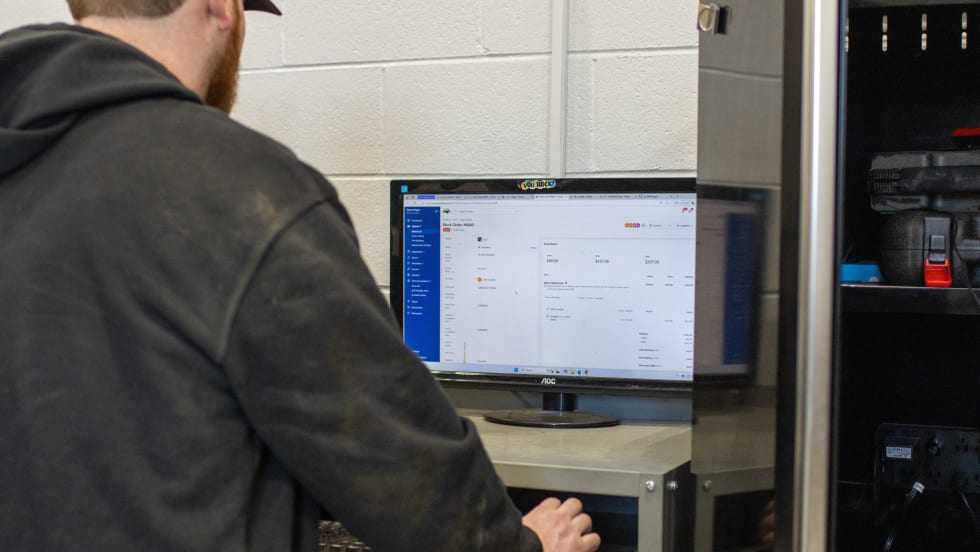
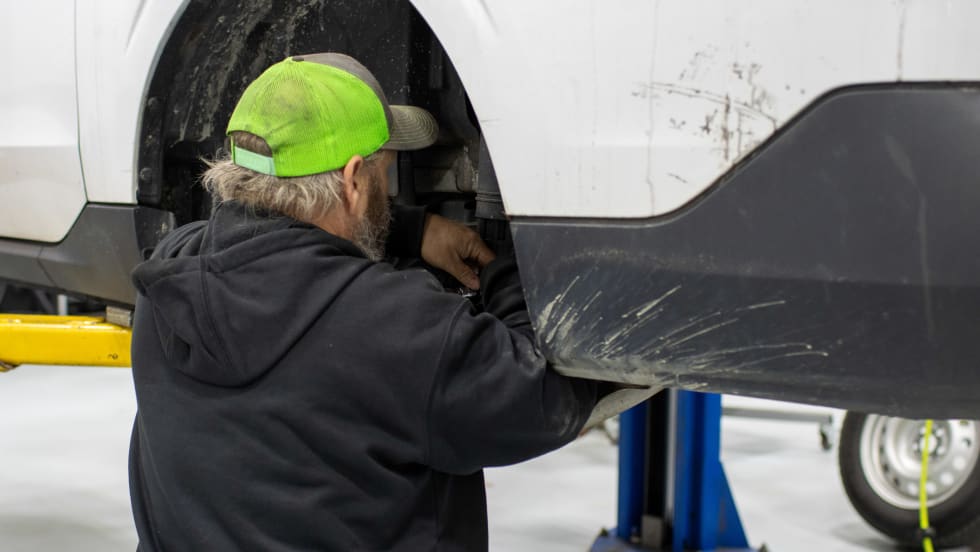
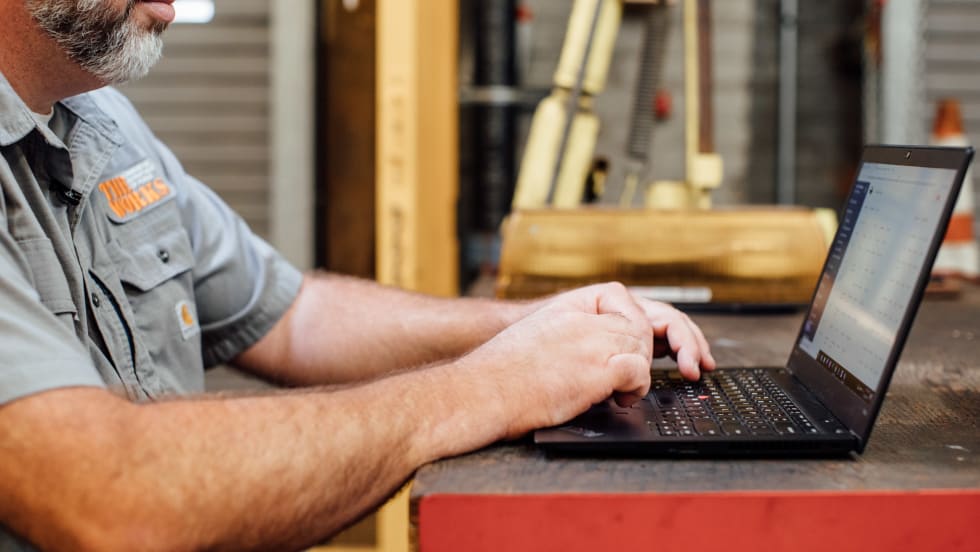
People are more apt to take the path of least resistance. If you want to keep up with routine asset service and maintenance, you need to make inspections, scheduling, and reporting as effortless as possible.
Manually tracking maintenance schedules in spreadsheets can be beneficial in the short term, but lacks functionality that can majorly improve maintenance compliance. Digital fleet solutions provide features that make it easier to keep up with all things maintenance, including:
Helping reduce pencil-whipping during inspections
Automatically alerting you to failed inspection items
Automating service reminders and past due alerts
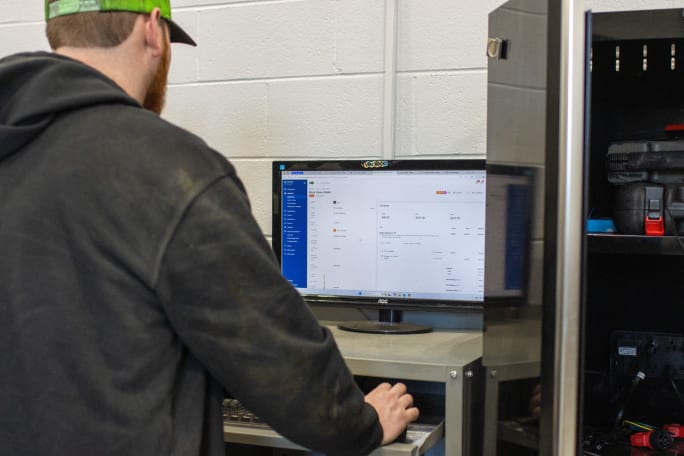
A robust digital fleet solution might seem like too much, but transitioning to a well-designed spreadsheet to track your assets’ maintenance can be a good alternative that will still set you up for success.
Photo: Fleetio
3. Create Consistent Acquisition and Disposal Policies
“Consistency is key” is a popular idiom for a reason. Without asset purchasing guidelines, personnel from different departments may buy assets as needed and keep them for as long as they see fit. Without bulk purchasing and/or insights into the right time/mileage for selling assets, your department could be hemorrhaging money.
Aim to optimize asset replacement and be consistent regarding replacement criteria. Take the time to spec out vehicle options to meet the requirements of your fleet and put a purchasing plan in place.
4. Establish Performance Goals
Some fleets incentivize good driving behavior, whether this be achieving high fuel efficiency, performing a fleet inspection regularly, or exhibiting high driving performance. Although this may not work for all government fleets, you should always hold drivers to a performance standard.
“One way to go about performance goals is instituting a driver certification policy,” says Chuck Drews, Product Manager at Fleetio. “This can include a Law Enforcement Defensive Driving Program or Fire Department Defensive Driving Program. Whatever the certification that best matches your department’s needs, outline a plan that includes refresher or recertification dates as applicable.”
5. Track Key Metrics for Smarter Decision-making
Fleet metrics are important to track, as they can help you monitor progress. Unfortunately, they can also become a bunch of numbers if they aren’t measuring anything useful. In order to be on top of your fleet operations, you need to make sure you’re measuring well. After all, how can you improve upon something when you don’t know the starting point?
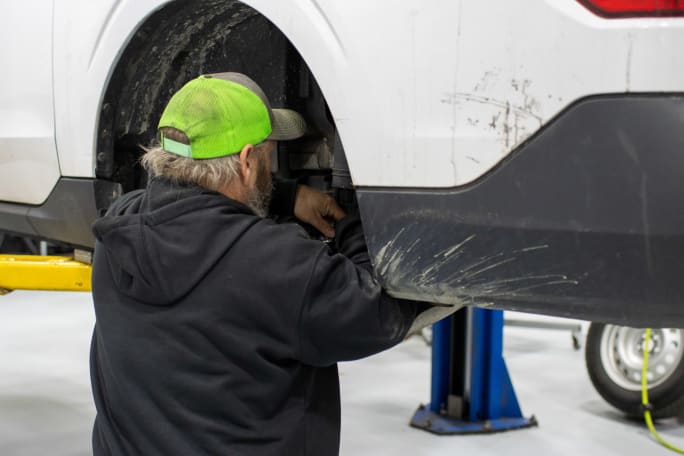
If you want to keep up with routine asset service and maintenance, you need to make inspections, scheduling, and reporting as effortless as possible.
Photo: Fleetio
A few metrics that give solid insight into asset performance and fleet performance overall include cost per mile, total cost trend, and operating cost summary. You can make tracking that data a lot simpler with digital fleet solutions, or even by simply upgrading to a maintenance spreadsheet that does the calculation for you.
6. Go Paperless with Digital Fleet Records
Invoices, work orders, receipts, photos, employee records, product manuals and more can be kept in one central digital location and accessed from any internet-connected device. This helps employees in the field when it comes time to get a vehicle serviced, but it also allows stakeholders to more easily get through audits and benchmark the fleet operation.
7. Stay Current with Fleet Technologies and Trends
Join an industry association, check out fleet industry podcasts, attend government fleet conferences and trade shows when possible, and read trade publications to keep up with what’s happening in both vehicle technology and across your industry.
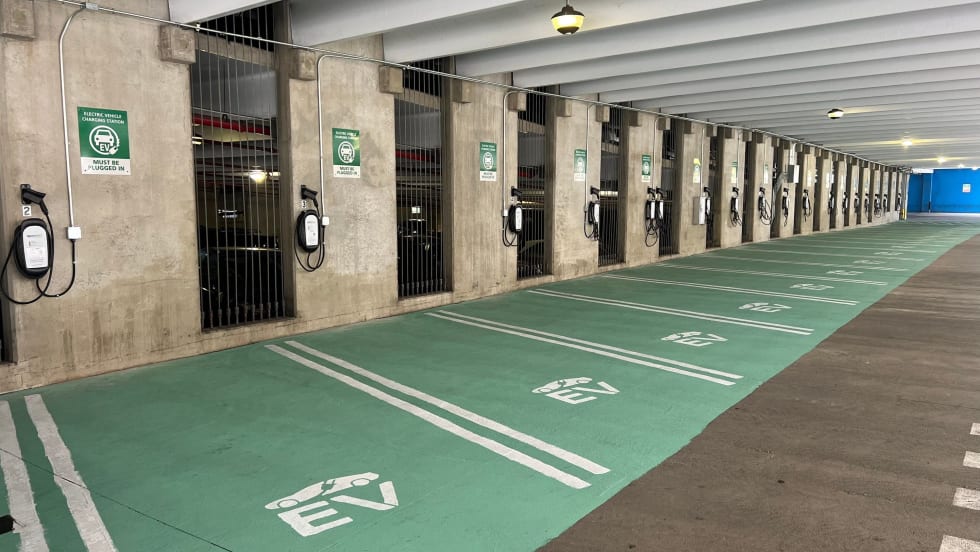
As you read up on new fleet technology, don’t be afraid to adopt it. Alternative fuels, for example, were once seen as a long shot, but may actually be within reach and cost-effective for your fleet, especially if your department is tasked with electrification or sustainability goals.
When it comes to embracing new tech, any step forward is a good one, no matter how small. A robust digital fleet solution might seem like too much, but transitioning to a well-designed spreadsheet to track your assets’ maintenance can be a good alternative that will still set you up for success and have your data ready to transfer easily into a solution should you go that route down the line.