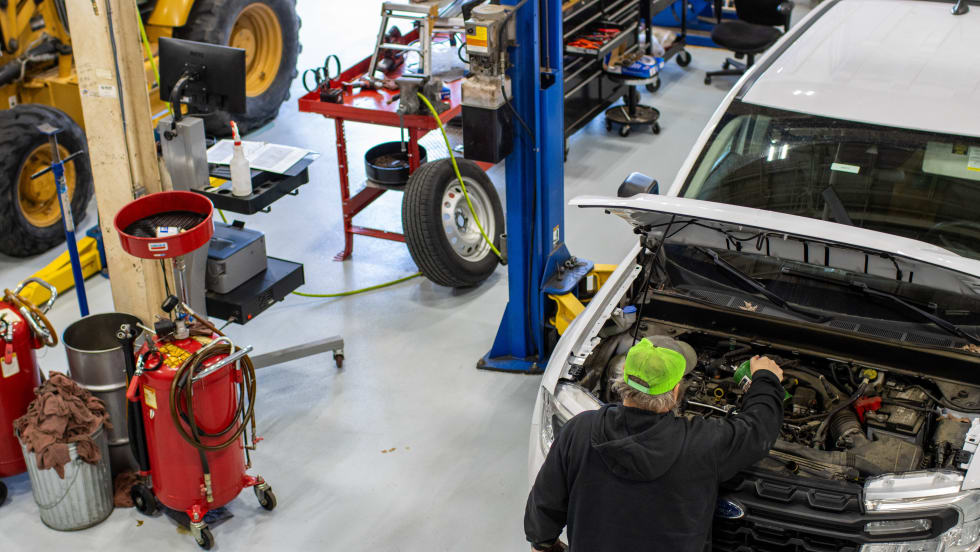
Public fleets are the backbone of our communities. From police cruisers and fire engines to sanitation trucks and snowplows, these vehicles keep citizens safe, cities clean, and daily life moving forward. Behind the scenes are leaders who ensure these fleets are ready to perform their duties.
These leaders meticulously plan and optimize routes, maintenance, and budgets. Yet, as many of these leaders approach retirement, one critical question looms: Who will take the wheel when you step aside?
Succession is inevitable. Without deliberate planning, leadership changes risk operational disruptions, diminished service quality, and the erosion of community trust. Fleet leaders already apply rigorous processes to preventive maintenance, safety checks, and compliance standards. The same attention to detail and discipline is needed for leadership transitions.
Thoughtful planning not only preserves organizational excellence but also ensures the continuity of mission-critical services for the communities we serve. Succession planning is not optional. Setting up your replacement for maximum success is serving your employees and community.
Applying Military Transition Lessons to Modern Fleet Management
I served eight years as an Armor Officer in the U.S. Army, culminating as a tank company commander. My teams were entrusted with some of the Army’s most critical assets: fleets of heavy vehicles, equipment maintenance, logistics, and the soldiers who operated them. A key part of my job was ensuring readiness, the ability to accomplish the mission no matter the circumstances.
Throughout my career, I experienced multiple leadership transitions. Stepping into command, handing over units, and guiding soldiers through changes in leadership all carried risk. An old Army saying goes “there is risk in transition.” If done poorly, a transition could jeopardize the mission and erode trust. If done well, builds upon established trust, maintained equipment uptime, and preserved operational readiness.
These lessons are directly relevant to today’s public fleet leaders. Whether you manage street sweepers or university shuttles, planning a smooth leadership handoff is essential to the long-term success of your organization.
Why Succession Planning Matters in Public Fleets
Public fleets provide services that citizens cannot do without. When residents dial 911, they expect police, fire, and EMS vehicles to respond immediately. When snow falls, plows must clear roads without delay. Sanitation trucks, transit buses, and utility fleets all perform essential functions that communities rely on every day.
Unlike private businesses, where ownership and leadership transitions are often incentivized, government organizations can struggle with succession. Leaders may assume that someone will step in or that institutional momentum will carry the team forward. I won’t say it here, but you know what they say about assuming.
Trust in government is hard to build and easy to lose. A poorly managed leadership transition can become a very public black eye, undermining confidence in essential services. Government Fleet surveys from the last five years highlight the risk:
Only 42% of fleet operations currently have a succession plan in place.
59% of public-sector fleet managers plan to retire within the next 10 years.
38% plan to retire within just four years.
That kind of turnover can drain decades of hard-earned institutional knowledge in just a few years. The clock is ticking and many teams are still unprepared.
Industry leaders are raising the same concerns. The National Association of Fleet Administrators (NAFA) emphasizes succession readiness in its 100 Best Fleets program, which recognizes agencies that excel in continuity, innovation, and leadership development.
The American Public Works Association (APWA) identifies succession planning as a cornerstone of its Workforce Development Strategy, encouraging agencies to strengthen onboarding, training, and leadership pipelines. Both organizations make it clear: continuity is not optional. It is a strategic imperative for fleets and public works departments. Without deliberate planning, leadership transitions can result in:
Service disruptions: Delays in maintenance or scheduling quickly ripple to the public.
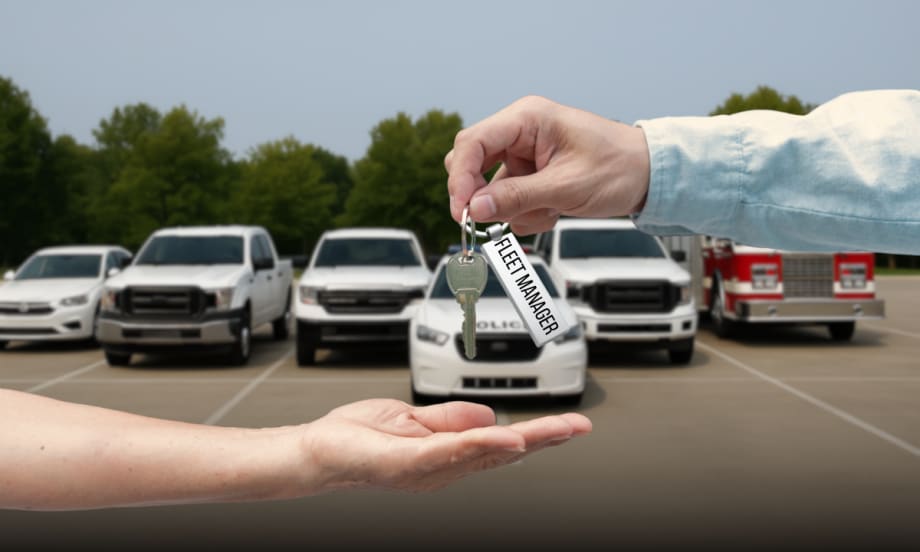
Loss of knowledge: Key vendor relationships, budget documents, and even where the keys to the storage container are stored can disappear overnight.
Decline in morale: Staff lose confidence when transitions feel chaotic.
Erosion of public trust: Residents may forgive an occasional service delay, but not a preventable leadership failure.
Succession planning is not a bureaucratic formality. It is a core responsibility that deserves the same discipline as safety inspections or compliance audits.
How to Prepare for Leadership Transitions
Effective succession planning takes foresight and structure, and it should be built into long-term strategy, not treated as a last-minute exercise. In many cases, the process can take more than a year of preparation.
Start early. Identifying and developing the right successor requires time. Best practices suggest starting the process at least two to three years before an anticipated retirement or transition. That timeline gives room for mentorship, training, and real knowledge transfer. Waiting too late limits your options and risks a rushed decision.
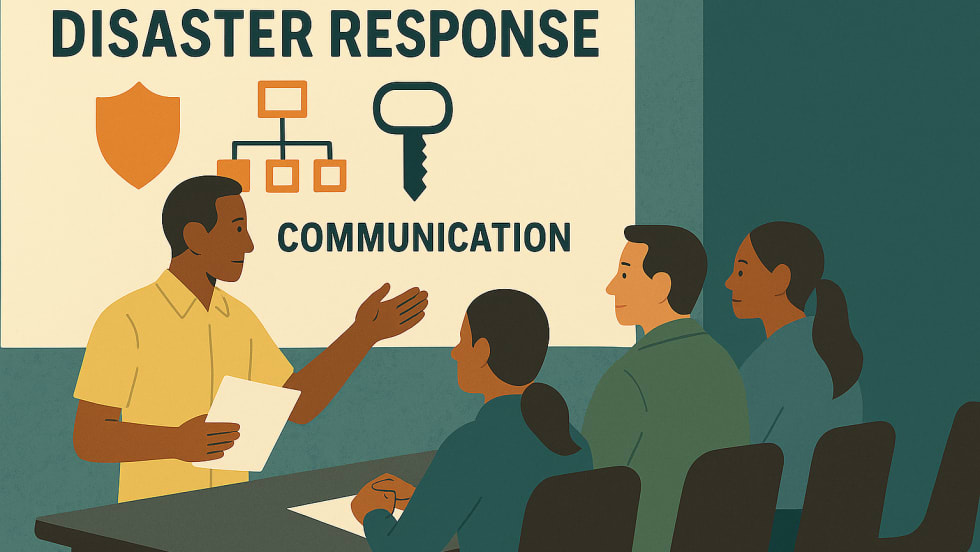
Involve the right stakeholders. Succession planning is not a solo effort. HR professionals, city officials, and department heads all provide perspective that ensures the process is transparent, compliant, and aligned with the larger organization.
Capture and share key knowledge. Too much of fleet leadership resides in individual leaders’ heads. Standard operating procedures, vendor contracts, budgets, and maintenance calendars must be recorded, stored, and shared so they become part of the organization’s foundation.
Develop internal talent. High-potential leaders should be given opportunities to lead important projects, such as managing a major acquisition or overseeing a budget cycle. These experiences build capability and reveal readiness. Even if they are not the eventual successor, the team as a whole becomes stronger. In short, build your bench of leaders who can step up.
Preserve culture and values. Beyond numbers and processes, winning teams value traditions and legacy. Ask yourself: What do I want carried forward? Clearly communicating those values ensures they remain part of the organization’s identity.
Rehearse the transition. The Army taught me the importance of rehearsals. In the same way, simulate a period where your deputy assumes certain responsibilities. Observe, mentor, and adjust. This approach minimizes surprises when the official handoff occurs.
I’ve always liked the adage of “see one, do one, teach one.” This is a great way to train leaders on your team, because succession planning is about more than preparing a single person. It strengthens the entire organization by ensuring continuity of leadership, operations, and culture.
How to Ensure Organizational Continuity Post-Retirement
When a fleet leader retires, the true measure of their impact is how well the organization performs after they have left. Continuity is the ultimate legacy. Leaders must think beyond their own tenure and put structures in place that carry the organization forward.
1. Advocate for your own succession planning. Public sector leaders sometimes assume succession is handled elsewhere. In reality, many municipalities lack formal processes. Fleet leaders should take the initiative by engaging HR, city managers, or county officials early. Position the conversation around risk management and service continuity, which helps secure support.
With your active involvement, you might even be able to onboard a new hire or strongly recommend an internal candidate.
2. Prepare transition binders. In today’s digital age, physical binders might seem old school, so feel free to use whatever medium best fits your organizational culture. One of the most practical steps is documenting what you know. Create transition binders that include:
Annual and long-term budgets with explanations of major line items
Vendor and service contracts with renewal dates and contacts
Policy and procedure manuals, including compliance requirements
Fleet maintenance schedules and replacement plans
Points of contact for officials, community partners, and vendors
Seriously, a logbook of which keys go to which locks
These materials provide incoming leaders with a roadmap and reduce the risk of operational missteps.
3. Maintain morale and stability. Transitions can create uncertainty among staff. Leaders set the tone by being transparent about the process, reassuring employees about job stability, and highlighting the strengths of those stepping into new roles.
The Army taught me that units succeed when people trust their leaders, which requires open communication. The same principle applies here. By advocating for structured planning, preparing detailed resources, and keeping your team informed and motivated, you leave behind not only a well-maintained fleet but also a resilient organization ready to serve the community for years to come.
Continuity is the lasting impact of effective leadership.
You have devoted your career to serving your teams and your community. Do not leave the future of that service up to chance. Leadership transitions will happen. The only question is whether they happen by default or by design.
A deliberate plan is one final act of service, ensuring continuity, honoring your legacy, and safeguarding the mission-critical operations your fleet provides. By starting early and following industry standards, you align your agency with proven practices that lower risk and strengthen public trust.
You may not be able to choose if the transition happens, but you can choose how. Make succession planning your next mission. Your team, your community, and your legacy deserve nothing less.