





Managing a government fleet can be a difficult balancing act between safeguarding public funds and supporting essential services while ensuring assets meet maintenance and regulatory compliance.
Whether you’re a veteran fleet manager or a former technician who rose through the ranks, taking the time to build a strategic fleet management plan is a great way to ensure you’re addressing the fleet’s current needs and are able to plan for the future success of fleet operations, all while growing your skillset.
Fleet Management 101
Government fleet management involves overseeing and optimizing publicly funded assets, from light-duty sedans to heavy equipment, across departments like transportation, public works, utilities, and law enforcement. Fleet managers are responsible for maintaining operational uptime while balancing strict budgets, regulatory requirements, and public accountability.
Public fleet operations are unique in both their scope and visibility. Failures in asset availability or safety don’t just disrupt operations, they can compromise public trust. Whether deploying snowplows during a winter storm or maintaining transit buses in urban centers, the performance of government fleets is tightly linked to community well-being.
When done well, government fleet management:
Reduces unnecessary spend through lifecycle planning and fuel and service data insights
Increases asset availability for essential services
Ensures compliance with federal and local regulations
Improves safety for employees and the public
Demonstrates transparency and accountability
Key Terms and Metrics for Public Fleet Managers
Total cost of ownership (TCO)
TCO refers to the full cost of owning and operating a government asset, including acquisition, insurance, maintenance, fuel, depreciation, and administrative expenses. Monitoring TCO across departments helps justify replacement cycles and allocate budgets more effectively.
Cost per mile (CPM)
CPM tracks the cost of operating an asset per mile driven, helping managers monitor fuel efficiency, maintenance needs, and service expenses while highlighting assets that are dragging down ROI.
Asset utilization
Utilization tracks how often and how effectively assets are used. Metrics such as hours of use per week or mileage per month can uncover underutilized assets that should be reassigned or phased out.
Maintenance compliance
Adhering to OEM-recommended preventive maintenance (PM) schedules helps ensure safety while also satisfying federal, state, and local mandates. Compliance tracking is critical for audits and funding eligibility, especially when grant dollars are in play.
Asset lifecycle
The asset lifecycle spans from procurement to retirement. Public fleet managers often extend this cycle due to budget restrictions, making it essential to forecast wear and cost trends in advance. Using lifecycle cost data helps justify funding and avoid costly emergency replacements.

Before you make any changes or potential improvements you need to know what needs improving and why.
Photo: This utilizes an AI-generated image. Refer to our Terms of Use.
The Core Pillars of Public Fleet Operations
1. Keep assets safe and service-ready
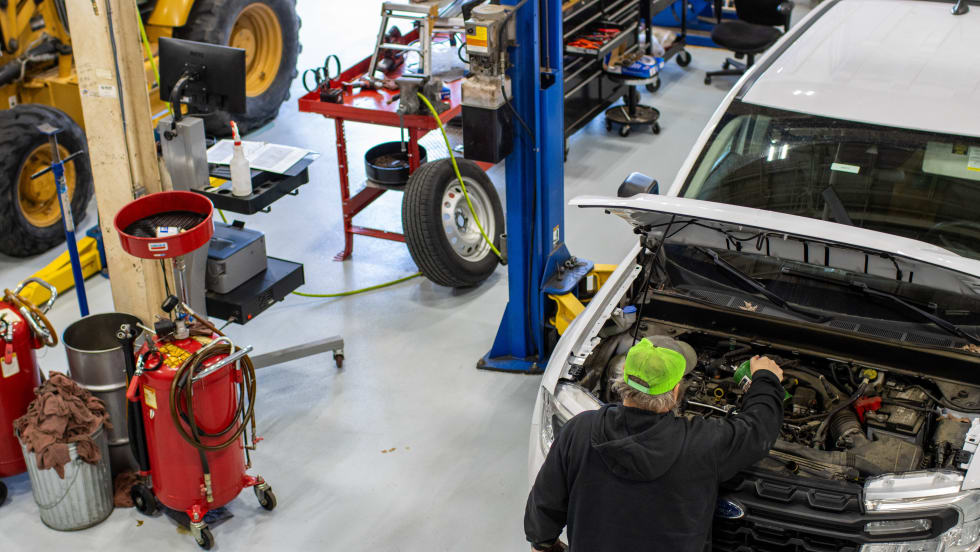
Keeping assets (and the fleet as a whole) running should be one of your top priorities as a fleet manager. This includes things like performing daily inspections, managing fuel, and creating a solid asset replacement and procurement plan. Regular pre-trip inspections ensure assets meet safety and compliance standards, but they also help catch issues before they become costly problems, which in turn helps reduce repair costs and unscheduled downtime.
An important note here: don’t sleep on fuel data. You may be surprised at the amount of asset health data you can gain from fuel-related metrics. Whether you’re using fuel cards, telematics, or a fleet optimization platform, collecting fuel data allows you to spot trends in fuel purchases and consumption.
Using this data, you can determine where and why fuel spend may be inflated for a particular asset, such as a mechanical issue, driver behavior issue, utilization imbalance, or the asset is simply nearing the end of its useful life, which leads us to replacement and procurement strategies.
Managing when to replace assets based on mileage, hours, years in service, or maintenance and repair costs keeps the fleet reliable and avoids the pitfalls of aging assets. When considering replacing an asset, you’ll want to determine things like:
What do the annual service costs look like, and how do they compare to similar assets in the fleet?
Does the asset meet or exceed the miles/years/hours outlined in your replacement strategy?
On average, what return are you able to get when reselling an asset you’re ready to replace?
2. Prioritize timely repairs
When public services are at stake, every hour of downtime can be a big deal. And while proper PM can mitigate the risk of unscheduled downtime, something will eventually break. It’s just the nature of fleet. So, for occasions when a breakdown does occur, ensuring expedient repairs can be crucial, meaning prioritizing issues and minimizing shop delays is pretty important.
Prioritizing issues (low, moderate, critical) allows you to schedule service in such a way as to reduce the unexpected downtime, whether that means taking the asset to a shop or pulling one of your technicians off a low-priority task to address a critical issue. Also, keeping replacement parts on hand can speed up repairs and minimize further delays to get assets back to work faster.
3. Optimize your operation
Fleet optimization is a bit of an ongoing process. You start by improving one aspect of the operation and move on to the next and, by the time you’ve made improvements across the whole fleet, you start seeing ways you can improve upon the improvements.
Before you make any changes or potential improvements — and not every change will be a success, so it’s important to be okay with failing before getting it right — you need to know what needs improving and why. Track metrics like fuel consumption, asset utilization, PM and inspection compliance rates, and service costs to identify areas for improvement, and start benchmarking to measure the success of any implemented changes.
Fleet Technologies: What to Know
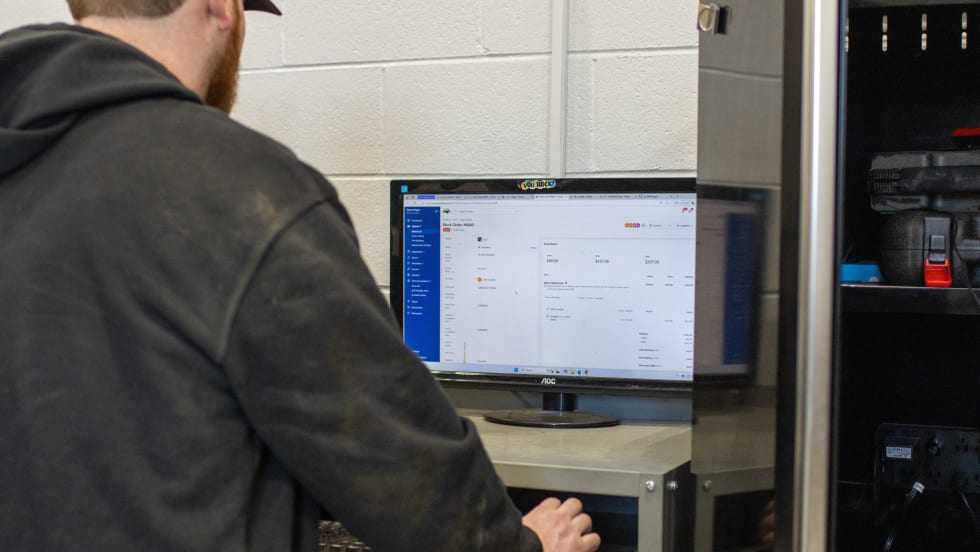
Fleet technologies like telematics and fleet maintenance and management platforms help fleets maintain visibility and control over their assets. Telematics uses GPS and onboard diagnostics to track asset health and performance in real time.
While some OEMs offer embedded systems, many fleets use aftermarket providers that pair plug-and-play devices with software so you can easily monitor fleet health. Maintenance and management platforms collect, centralize, and analyze asset data, enabling performance tracking and workflow automation, as well as providing integrations with other fleet and business solutions to consolidate insights across your operation.

Fleet technologies like telematics and fleet maintenance and management platforms help fleets maintain visibility and control over their assets.
Photo: Ross Stewart Photography
But those aren’t the only types of fleet tech on the market. Adoption of electric vehicles and autonomous technologies is accelerating, especially among municipalities accessing federal sustainability grants.
EVs promise lower fuel and maintenance costs but require planning for route ranges, charging infrastructure, and technician training. Similarly, assets with autonomous features, including the lower levels like lane assistance and collision alerts, support safer operations.
Challenges Unique to Government Fleets
There are a number of challenges to contend with as a fleet manager, both internally and externally. Fuel, for instance, is typically the largest recurring fleet expense, but can be hard to budget for, given that market shifts can affect fuel prices. Maintenance and repairs are usually the second largest cost for fleets and, as assets age, those costs climb, demanding careful tracking and cost-saving measures to offset higher expenses.
Additionally, finding and retaining skilled employees can be a challenge in itself, so competitive pay, sign-on bonuses, and training programs may need to be considered as potential solutions. Oh, and on the topic of training, staying current with technologies — whether fleet maintenance and management solutions or EV and AV technology — can require investment and upskilling. There are a few key challenges unique to government fleets, as well:
Budget constraints: Public fleet budgets are often rigid and subject to political cycles. Making the case for new technology or replacement assets requires solid data and long-term cost projections.
Aging fleet: Many agencies rely on assets well past their optimal lifecycle. This increases downtime risk and maintenance costs and can put safety at risk.
Regulatory complexity: Compliance requirements span emissions, safety, hours of service, and more. A good digital fleet solution supports documentation and helps automate reporting so you’re always audit-ready.
Siloed communication: When operations, procurement, maintenance, and finance aren't aligned, efficiency suffers. Digital fleet solutions offer visibility and help standardize communication across departments.
“We’ve seen municipal fleets gain access to critical reports, improve asset utilization, and get vehicles back on the road sooner, leading to measurable gains in uptime,” explains Daniel Simpson, manager, Product Marketing, Fleetio. “Much of this progress is the result of better communication and clearer visibility into asset status, maintenance schedules, and service history. With tighter control over operational costs, fleets are now able to budget more precisely and allocate resources more strategically.”
Government fleets operate under intense scrutiny, tight margins, and high expectations, yet the health and productivity of fleet assets is non-negotiable. Building a strategic fleet management plan and investing in fleet technologies are great ways to start optimizing your fleet.