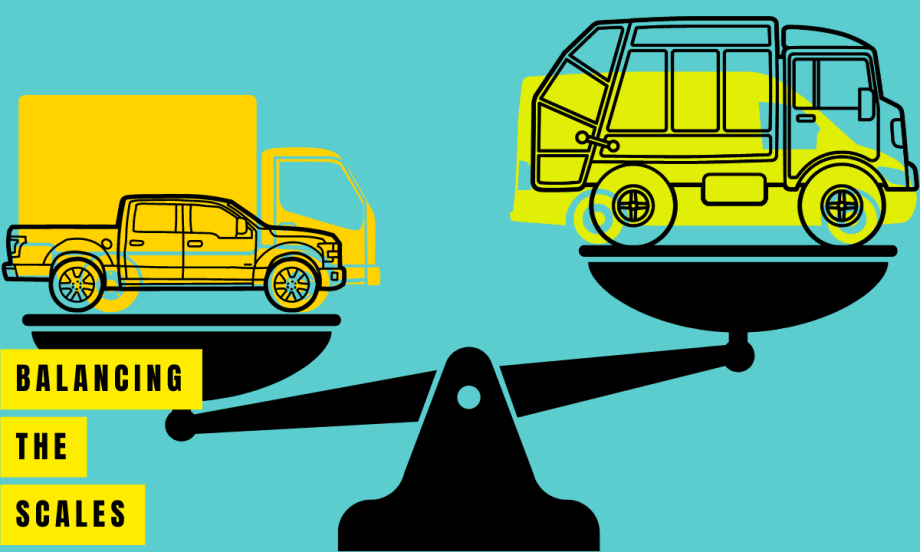
Government fleets are facing major challenges in maintaining equilibrium in their operations. Those responsible for transportation and logistics now need to balance the demand for drivers, technicians, and services while maintaining sustainable growth and managing different classes of vehicles.
However, overseeing fleets ranging from 10 vehicles to a hundred or more requires a strategic approach that considers numerous factors. With the rise of data analytics, telematics, electric vehicles, and evolving regulatory standards, every fleet manager in the public sector needs to ensure that operations run smoothly while maximizing return on investment (ROI) and minimizing environmental impact.
Tailoring Fleets for Specific Use-Cases
The type of cargo your fleet transports greatly influences which vehicles are optimal for the job. Light-duty vehicles are ideal for transporting people or light cargo (e.g., administrative staff, small tools, or documentation).
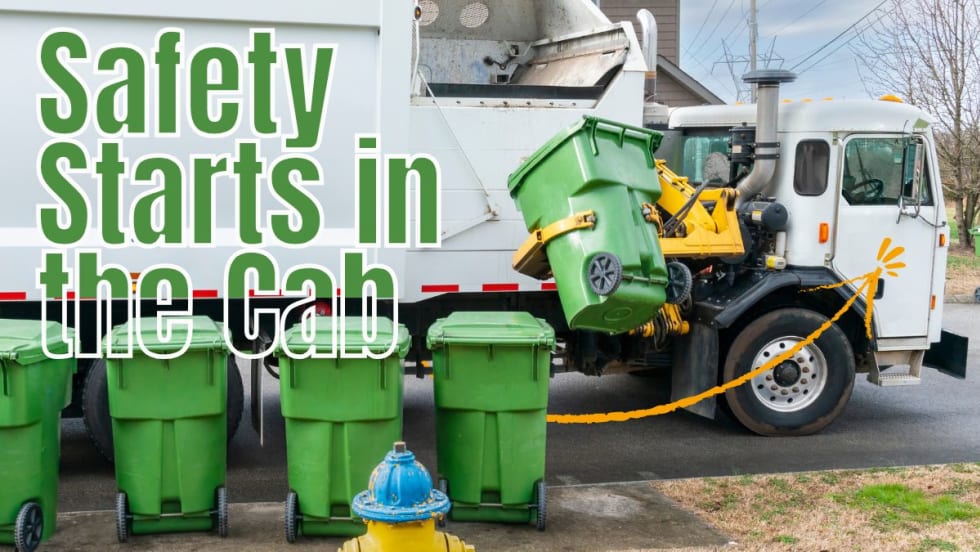
Medium-duty trucks are suited for local deliveries, smaller construction materials, and utility service equipment. While the most costly, heavy-duty trucks are essential as they can transport heavy equipment, machinery, or large quantities of waste or materials in public works.
Selecting the right vehicle type for the job ensures that cargo is delivered efficiently and safely. Utilizing the incorrect vehicles for a job can be dangerous and lead to increased operational costs. Undersized vehicles will suffer under heavy loads, leading to frequent breakdowns and increased maintenance costs.
Conversely, oversized vehicles can result in wasted fuel and increased operational expenses when not fully utilized.
Maintenance Requirements for Different Vehicle Types
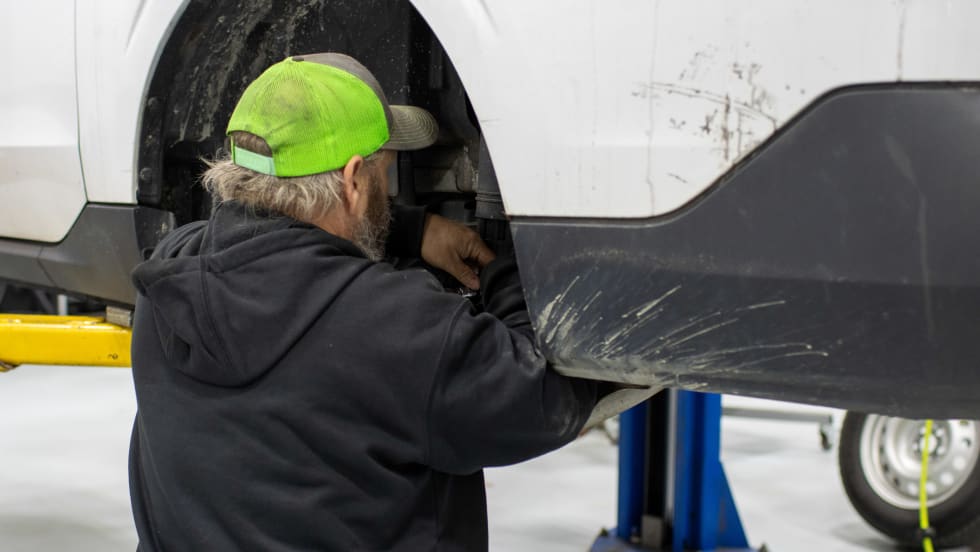
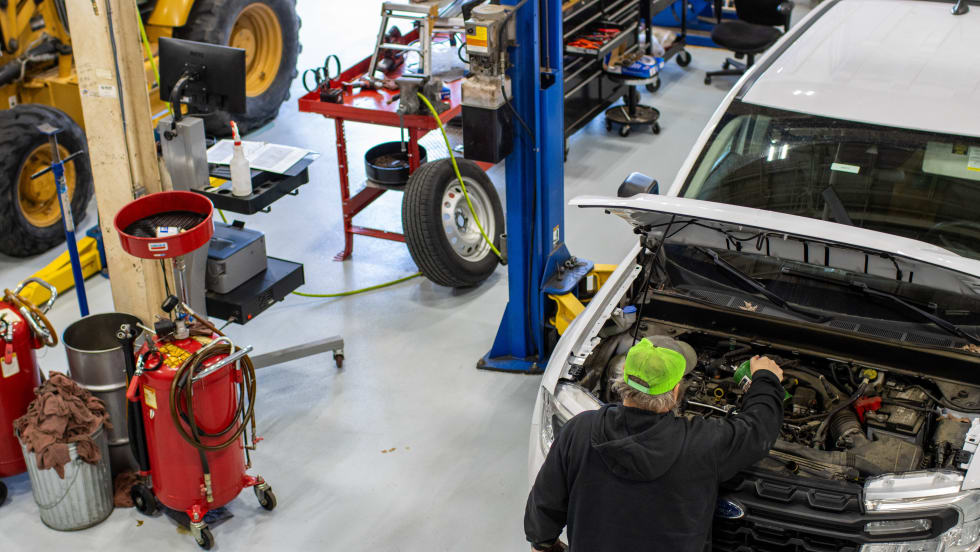
Properly maintained vehicles ensure higher safety standards, reduced downtime, and a longer lifespan. However, different-sized vehicles require varying levels of maintenance to ensure they are safe and adhere to regulatory standards.
For light-duty vehicles, overuse in urban environments can lead to quicker wear on brakes and tires, especially for administrative or personnel transport vehicles. Regardless of the use case, routine maintenance is required every 5,000–7,500 miles. This maintenance includes oil changes, tire rotations, brake checks.
Medium-duty trucks require more frequent checks for wear and tear on suspensions, transmissions, and engines. Maintenance every 15,000 miles is typical as these vehicles often face more rugged terrain or are required to carry moderate loads, which increases the frequency of breakdowns without proactive maintenance.
Due to their large loads and mechanical demands, heavy-duty trucks tend to have the most expensive repair costs. These trucks require comprehensive maintenance every 20,000 miles and more frequent inspections of components like brakes, steering, and electrical systems.
Assessing Fuel Efficiency and Environmental Impact
Increasing fuel efficiency across your fleet can result in significant long-term savings. But fuel efficiency is no longer just a cost-saving measure; it’s also a regulatory requirement. For government agencies and first responder fleets, environmental sustainability is becoming a more prominent focus, driven by policies aimed at reducing carbon footprints.
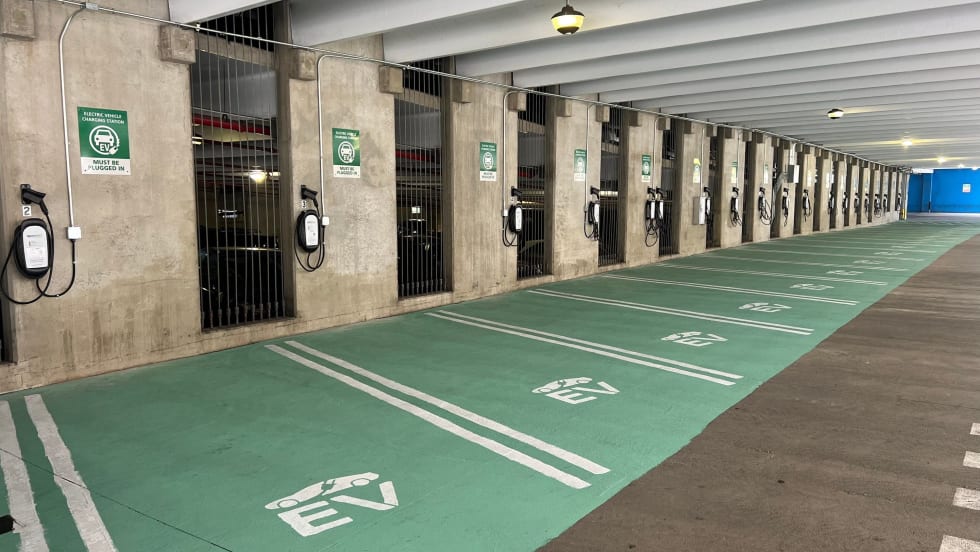
For this reason, many government agencies are switching to electric and hybrid vehicles for certain portions of their fleet. Additionally, the Biden-Harris administration is pushing to make 50% of all new vehicle sales electric by 2030.
For governments, moving toward alternative fuels and electric vehicles can drastically cut down on fuel costs while helping meet EPA emissions standards simultaneously.
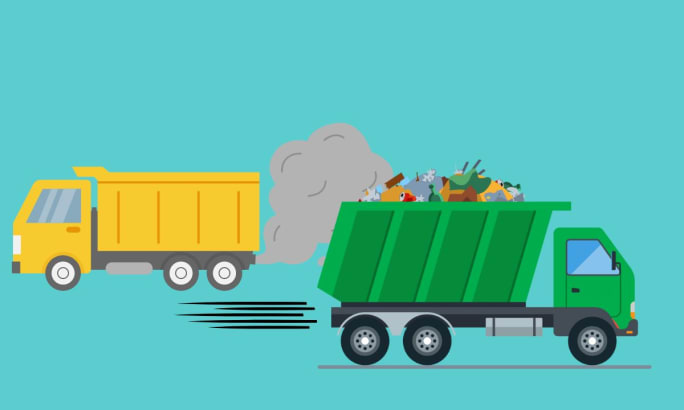
Fleet managers must navigate a complex regulatory landscape that varies by vehicle type and region.
Failing to comply with safety standards, emissions regulations, and driver qualifications can lead to hefty
fines and operational disruptions.
Photo: Government Fleet
Maximizing ROI in a Diverse Fleet
A diverse fleet offers flexibility, but it also demands effective management to maximize ROI. There are many ways to achieve this, and technology is one of the most prominent. Telematics and fleet management software is readily available and cost-effective, and it allows you to monitor vehicle performance, track fuel usage, schedule preventative maintenance, and analyze usage patterns.
AI-driven maintenance prediction, route optimization, and fuel management solutions can save costs and enhance efficiency. Investing in driver training programs is another excellent way of improving and maintaining a high ROI.
Adopting good driving behavior can reduce fuel consumption by approximately 25%, and can reduce the chance of speeding, aggressive driving and collisions. Inward facing dash cams can play a role here too, as they track driver behavior and alert drivers and fleet managers to any infractions in real time.
Right-sizing your fleet is also crucial to maximizing ROI. By conducting periodic evaluations of your fleet composition, you can ensure the number and types of vehicles align with your current fleet needs. This can help prevent excess inventory or vehicle shortages.
If you need a more flexible fleet model, leasing may be your best option, at least until you have scaled your business successfully for the long term. Leasing vehicles can give you flexibility and the advantage of lower upfront costs.
If your fleet is rapidly evolving or you’re experiencing seasonal demands, leasing can make more financial sense in the short term. However, owning vehicles with long life expectancies, such as heavy-duty trucks, often provides better long-term value.
Ensuring Regulatory Compliance for Every Vehicle Type
Fleet managers must navigate a complex regulatory landscape that varies by vehicle type and region. Failing to comply with safety standards, emissions regulations, and driver qualifications can lead to hefty fines and operational disruptions.
Light-duty and medium-duty vehicles must comply with local emissions standards, particularly in metropolitan areas, and are subject to regular Department of Transportation (DOT) inspections for safety and performance.
Heavy-duty vehicles must meet Federal Motor Carrier Safety Administration (FMCSA) regulations for weight limits, safety inspections, and emissions standards. Hours of Service (HOS) compliance is also implemented for drivers of large vehicles.
Additionally, fleet managers must monitor regional requirements and drivers must have the correct endorsements if they are transporting hazardous materials. Keeping vehicles, software, and compliance systems up to date and ensuring drivers adhere to the rules can prevent costly violations and reduce your legal liability in the case of a collision.
This article was authored and edited according to Government Fleet editorial standards and style. Opinions expressed may not reflect that of GF.