
Red Government Fleet with star logo
MenuMENU
SearchSEARCH

Building Resilience: Disaster Preparation for Fleet Insurance Planning

From safeguarding vehicles to maintaining service and managing insurance claims, each phase of disaster response demands thorough planning and coordination.

by Gavin Mills
June 17, 2025
Building Resilience: Disaster Preparation for Fleet Insurance Planning

From safeguarding vehicles to maintaining service and managing insurance claims, each phase of disaster response demands thorough planning and coordination. 

Photo: Elizabeth Stewart Photography

2 min to read


From safeguarding vehicles to maintaining service and managing insurance claims, each phase of disaster response demands thorough planning and coordination. 

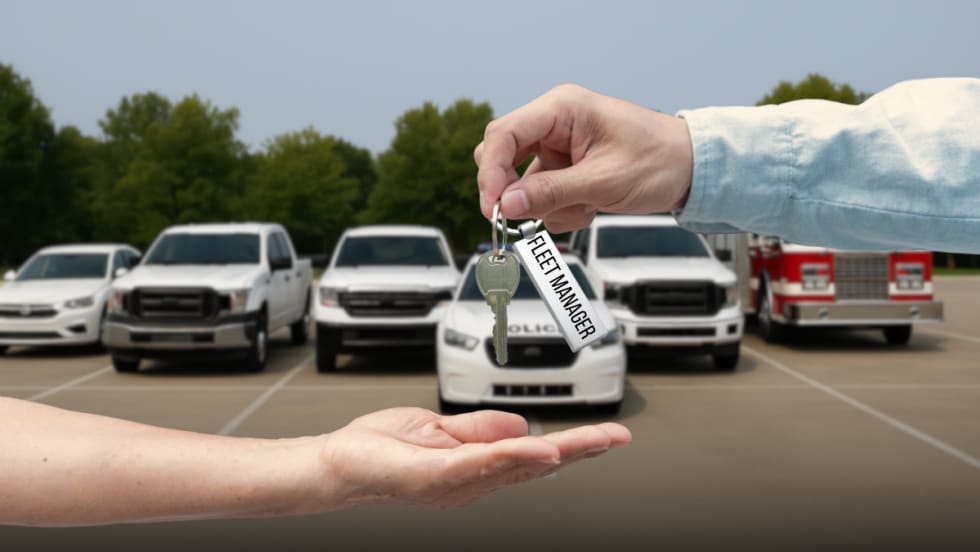
Photo: This utilizes an AI-generated image. Refer to our Terms of Use.

Whether it's hurricanes, floods, or wildfires, extreme weather events continue to test the resilience of fleet operations. From safeguarding vehicles to maintaining service and managing insurance claims, each phase of disaster response demands thorough planning and coordination. 

Gavin Mills, director of ProMetrix Solutions at Verisk, shared his perspective on the most pressing risks and how fleets can better prepare through strategic insurance planning and data management.

Disaster-Related Risks and Their Influence on Insurance Planning

The primary natural disaster-related risks facing fleets today include:

  1. Flooding, which damages vehicles, disrupts routes, and creates dangerous driving conditions.

    1. Hurricanes/named storms cause widespread infrastructure damage and can destroy parked vehicles.

      1. Wildfire poses a risk to drivers and vehicles and can block key routes.

Pre-Disaster Steps to Simplify the Claims Process and Strengthen Fleet Recovery 

Keeping an up-to-date vehicle/ unit list with the insurer is key. Additional steps that can be taken include having a robust assessment and reporting plan to ensure timely notice of loss with as much detail as possible to assist in the investigation and adjustment of claims.

Documentation or Data to Support Post-Disaster Insurance Claims

Routinely updating the insurer to make sure that they are aware of all current units that would be insured under the policy is important, even if the policy allows for a period of time before reporting new vehicles. If dashcams or security footage are available, this can also support and streamline the claims process, providing proofs of damage related to the cause of loss.

Risk Mitigation Measures and Reducing Premiums, Securing Better Terms

Fleet programs have been commonplace for a number of years to mitigate the risk of loss associated with theft, in addition to drug/ alcohol testing programs for drivers. From a disaster planning perspective, fleet continuity must be considered, including evacuation, if necessary, alternate dispatch routes, and proactive relocation of vehicles.

Redundancies are also necessary for communication tools and fueling/ charging of vehicles if infrastructure is significantly damaged.

Lessons That Have Emerged from Disaster-Related Claims 

Key lessons learned involve improved preparedness- as mentioned above, continuity planning is essential, fleet data storage and recovery redundancies are necessary, and making sure strategic partners also have acceptable disaster plans in place can help mitigate the impact of losses and aid in recovery.

Subscribe to Our Newsletter

More Blog Posts

Fleet Voicesby Staff WriterNovember 20, 2025

How Electric Vehicles as a Service Could Reshape Public Fleets

How the EV model can address concerns about meeting state mandates, cost, emissions and range anxiety.

Read More →
Fleet Voicesby Rachael PlantNovember 19, 2025

14 Metrics Government Fleets Should Track

The metrics government fleets should track to get a full understanding of their fleet operation.

Read More →
Fleet Voicesby Facundo TassaraNovember 12, 2025

Pick One: Hire a Technician or a Data Analyst

Short on techs and drowning in data, which single hire moves your fleet farther—a technician or a data analyst—and how does AI change the calculus?

Read More →
Ad Loading...
Fleet Voicesby James "Jimmy" JohnstonNovember 10, 2025

Why Refuse Truck Tech Must Serve the Operator

Ride along on a pre-dawn refuse route to see how operator-first, integrated safety technology turns split-second risk into preventable events and why purpose-built trucks are the next step in fleet safety.

Read More →
Fleet Voicesby Rachael PlantOctober 31, 2025

7 Tips for Smarter Fleet Management

The potential to manage your fleet effectively while ensuring the safety of both employees and the community can often go untapped, but there are certain habits you can adopt to get to that point.

Read More →
Fleet Voicesby Jason AlbericiOctober 3, 2025

Why Benefits Are Key for State and Local Fleets Looking to Win Federal Talent

State and local agencies have a unique chance to recruit skilled federal employees affected by workforce changes, but doing so will require strengthening total rewards packages with competitive benefits and financial wellness support.

Read More →
Ad Loading...
Fleet Voicesby Mike ClearySeptember 23, 2025

Diagnostic Strategies, Industry Insights, and More: Tech Corner Begins

Industry veteran Mike Cleary shares his journey in automotive and truck diagnostics while setting the stage for future insights, tips, and strategies aimed at helping fleet professionals sharpen their technical and diagnostic skills.

Read More →
Fleet Voicesby Nick LeeSeptember 19, 2025

Succession Planning for Public Fleet Leaders

As fleet leaders approach retirement, one critical question looms: Who will take the wheel when they step aside?

Read More →
Fleet Voicesby Rachael PlantSeptember 2, 2025

A Complete Guide to Being a Fleet Manager [Part 2]

Fleet managers are the ones who coordinate keeping fleet assets safe and running while staying apprised of industry challenges that could impact staffing, uptime, costs, routing, etc. But the key question is: How?

Read More →
Ad Loading...
Fleet Voicesby Peyton WinsteadJuly 16, 2025

Getting Started with Vehicle-to-Everything Tech: Use Cases to Maximize Benefits

Tools like V2X technology can help address current fleet issues , it can also be difficult to find real-world examples of how to actually do it.

Read More →