By prioritizing training and development, public sector organizations can make strategic investments in their workforce.
Photo: MEMA
Central Ohio is experiencing a significant transformation in the training of public sector technicians, thanks to the collaborative efforts of various organizations. In response to the growing demand for hands-on experience, these training programs are crucial in developing skilled technicians who can adeptly manage emerging technologies within complex engine systems.
Focusing on Training Investments Amid Technician Turnovers
The public sector is currently facing a major challenge in retaining skilled technicians, primarily due to wage disparities when compared to the private sector. For instance, senior technicians at local OEM dealerships can earn approximately $54 per hour, whereas public sector wages in the same region are typically 25-40% lower.
Although retirement benefits within a “defined benefit” program and generous leave benefits are intended to attract and retain talent, these incentives often do not outweigh the immediate appeal of higher wages, especially for younger employees entering the field. To combat this issue, investing in comprehensive training programs has become essential to enhance employee retention and job satisfaction.
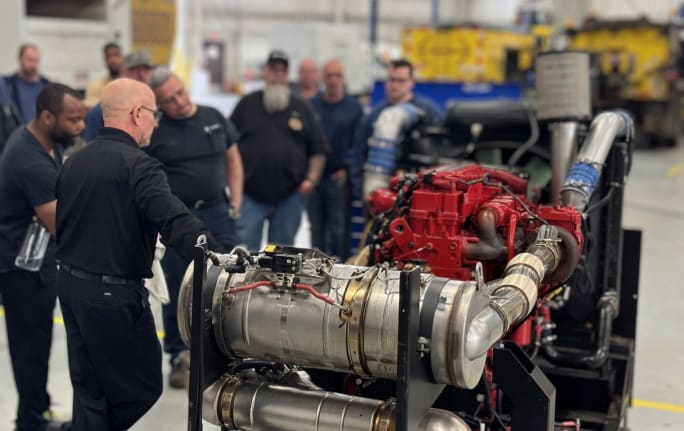
MEMA-OH's recent collaborative training initiatives have placed a strong emphasis on practical, hands-on experiences.
Photo: MEMA
Essential Skills to Tackle Real-World Challenges
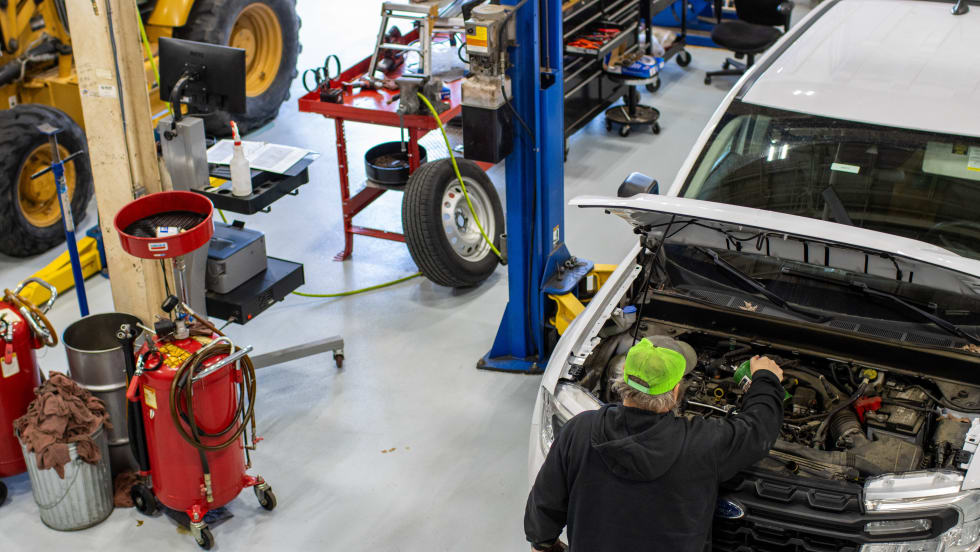
MEMA-OH's recent collaborative training initiatives have placed a strong emphasis on practical, hands-on experiences. These programs are meticulously designed to equip technicians with the essential skills needed to tackle real-world challenges effectively.
By pooling resources and facilities, the typically expensive off-site OEM training becomes more affordable and accessible for participating organizations. Notable training opportunities include:
Cummins Engine Training:This program immerses technicians in real-time diagnostics and repair scenarios for both CNG and Diesel engines. The hands-on experience gained here is invaluable, significantly enhancing technicians' technical proficiency and confidence.
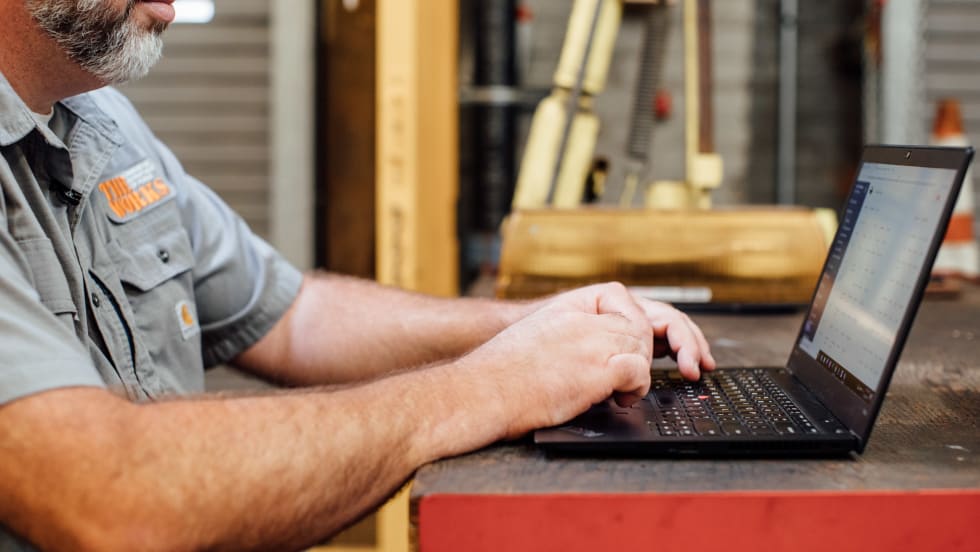
ASE and EVT Certifications: These certifications ensure that technicians possess a deep understanding of advanced electronics and essential vehicle operations. They are a testament to the technicians' capability to handle sophisticated systems and technologies.
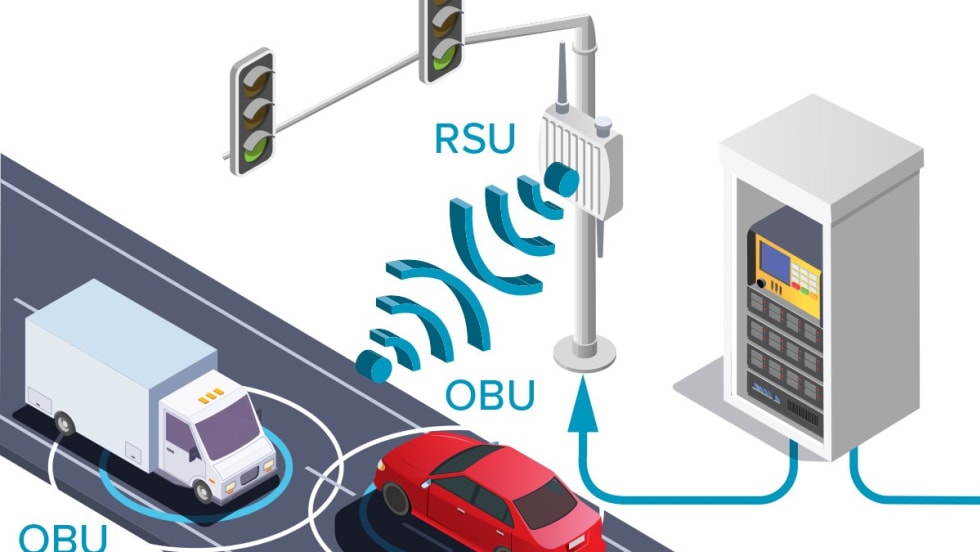
Emerging Technologies Workshops: These workshops focus on the latest advancements in engine technology, preparing technicians to navigate the complexities of modern machinery with precision and expertise.
The impact of these training programs extends far beyond individual skill enhancement. By cultivating a highly trained workforce, public entities across Central Ohio are better equipped to deliver efficient and reliable services. This not only enhances public safety and service delivery but also contributes to increased employee satisfaction and retention.
Investing in the Future of Fleets
By prioritizing training and development, public sector organizations are making a strategic investment in their workforce. This commitment to continuous learning not only bridges the skills gap but also positions public sector jobs as attractive career options despite wage disparities. Technicians gain confidence in their abilities, knowing they are well-prepared to handle the latest technological advancements.
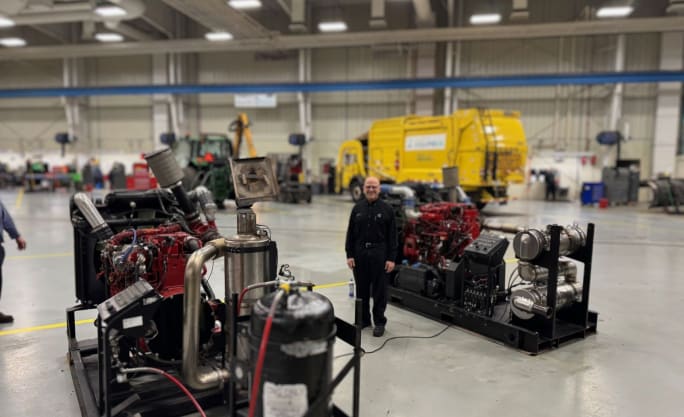
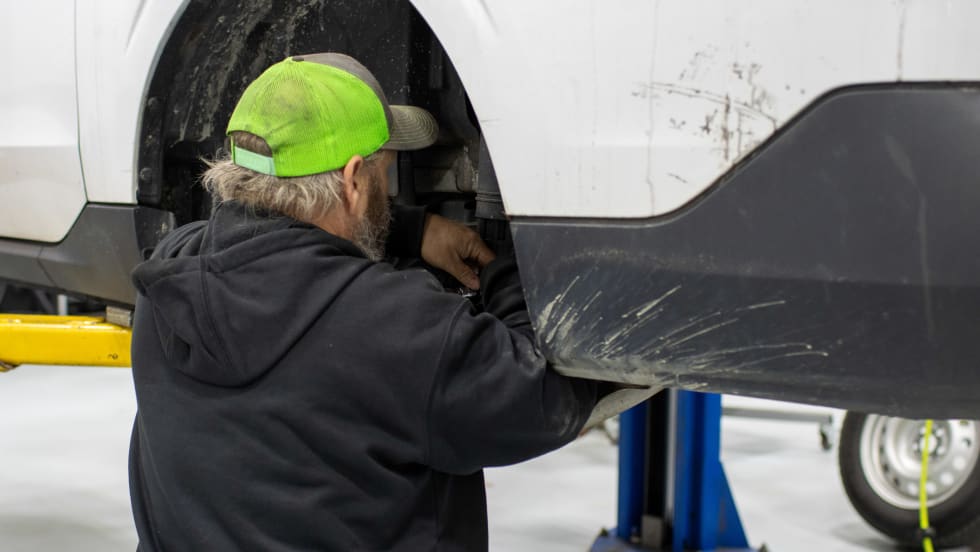
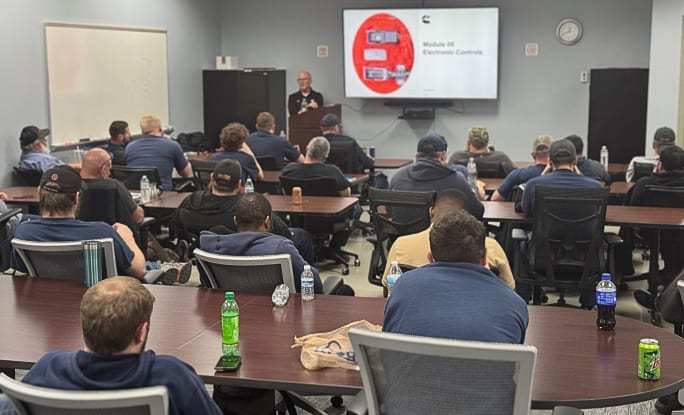
Technicians receive hands-on technician training with Cummins on the shop floor.
Photo: MEMA
Collaborative training initiatives in Central Ohio are proving to be a game-changer for technician development and retention. By focusing on immersive, hands-on experiences and addressing the challenges posed by emerging technologies, these programs are creating a more skilled, satisfied, and stable workforce.
This investment in human capital is crucial for maintaining high standards of public service and ensuring a brighter future for technicians in the region.
According to Eric Umbleby, fleet manager for the city of New Albany, ongoing training is critical in fleet management, with the opportunities such as the Cummins training, being invaluable.
"Having access to high-quality, manufacturer-led education at no cost throughout the year is one of the most valuable tools in a fleet manager’s toolbox," Umbleby said. "It empowers us to stay ahead of technology, sharpen our team's skills, and maintain a high standard of service. This not only improves safety and reduces downtime, but also helps us be better stewards of public resources. MEMA’s commitment to year-round professional development is a game-changer for municipal fleets."