Five inches of snow in Myrtle Beach; devastating fires in Maui and Altadena; incessant flooding in Kentucky; a hurricane in Asheville. Natural disasters such as those that occur from Gulf Coast hurricanes seem to have become more widespread in parts of the U.S. where intentional readiness may not be “routine.”
Safeguarding our citizens by being ready for any eventuality is a key, many will argue the key role of local government. So, is your fleet ready, even for the unexpected?
Florida’s own wake-up call occurred in 1992; the devastation in South Florida from Hurricane Andrew was both unexpected and unprecedented. The previous Category 5 hurricane, Camille, made landfall on the Gulf Coast in 1969 and resulted in $1.2 billion in damage. Andrew’s damage cost eclipsed $26 billion!
Also in 1992, I transitioned from private to public sector fleet management taking a position as fleet management director for Polk County, Florida, I had no training, awareness, experience or concept of a disaster when I transitioned into the public sector.
Preparedness Shortcomings and Overhauls in Disaster Preparedness Strategies
In 1993, the year following Hurricane Andrew, Mark Glaber, fleet director for Miami-Dade County, presented a compelling and surprisingly concise slide presentation of his fleet’s experiences with Hurricane Andrew and creative actions at a Florida Association of Governmental Fleet Administrators (FLAGFA) meeting. I still remember many of the photos he presented.
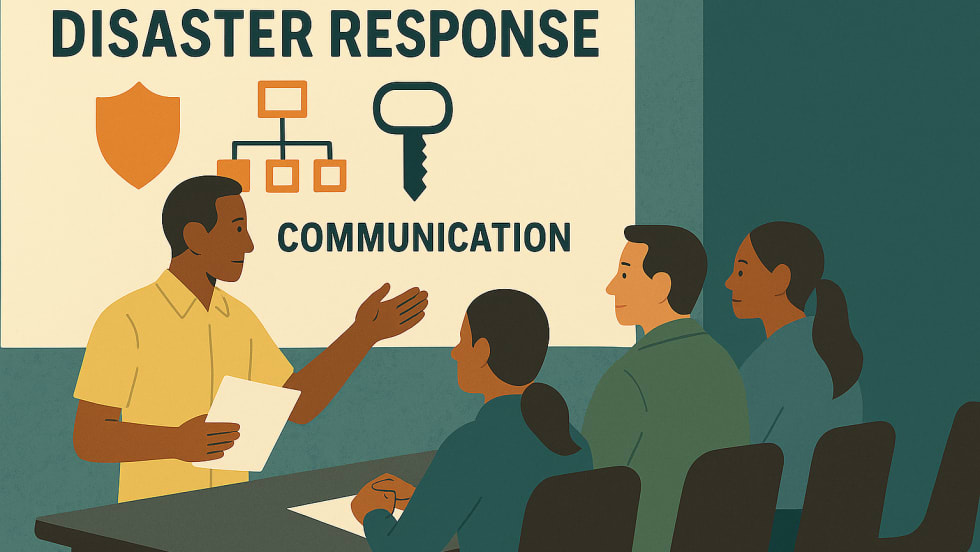
Andrew revealed preparedness shortcomings, resulting in overhauls of disaster preparedness strategies at the state and local levels. Among those was the establishment of an annual, days-long, statewide roleplay exercise conducted by Florida’s Office of Emergency Management directly involving local governments that themselves had established emergency management departments of their own.
These exercises, while emphasizing the importance of being prepared, in no way adequately prepared us for the real thing.
In 2004, my county was impacted directly when three hurricanes, Charlie, Frances, and Jean crossed the county, each from separate directions, in a space of only eight weeks. We became the only fleet management department in the country to have such an experience.
Real-Life Examples for Fleet Preparation
By order of priority, here are some of the lessons learned, all of which apply today. In no way is this list comprehensive, nor am I an expert in this discipline. I offer these lessons merely as real-life examples that you may consider in your own preparation.
Priority 1 – Caring for your Staff: Assure they and their families are adequately prepared, including housing, or that firm evacuation plans are in place. Some of our employees lived in manufactured homes that were not robust enough to withstand a hurricane. We offered our brick office building as alternative housing for employees and their families who needed more protection than their homes might offer.
Months before, we ensured our employees received first aid and CPR training. Fleet functions can be dangerous; we felt that, should a technician be injured or need CPR, having those skills immediately at hand might make the difference. Little did we know how important those skills would become.
Ensure you have multiple and alternative methods of connecting with your staff to check in following the event. Constantly engage your staff to ensure they and their families have the care they need; it's good practice any time.
Be prepared to visit their home if you have not reconnected following the event as a wellness exercise in caring for your staff.
Fleet is an essential service, meaning your section must continue to function during the preparation, rescue, and recovery phases of a disaster event. Make a staffing plan in advance, one that ensures employees who need to be with their families can be but accommodates the needs of your organization.
For instance, we operated our normal shift schedule during prep but closed in time to allow employees to go home early to prepare. We shifted to a 12-hour schedule, sometimes with a skeleton crew. Fleet operated continuously for weeks on this schedule.
Using fleet service trucks, we assigned them to technicians who lived in diverse areas of the County who took them home. This allowed them to respond to remote service calls even if they could not get to their workplaces due to roadway blockages.
Priority 2 – Fuel: This was the most important and immediate challenge, beyond any other fleet function. We learned many things during this time and completely overhauled our fuel acquisition and management strategies as a result. Here are some examples:
Ensured bulk fuel deliveries continued until suspended for safety reasons. We had 11 bulk fueling sites, 275,000 gallons of gasoline and diesel storage which, under normal operations, would last 9 days. Every county vehicle was topped off, including filling any auxiliary fuel tanks, before each department shut down prior to the event. Fleet refueled any deadlined or out-of-service vehicle or piece of equipment as well in order to maximize every available storage vessel we had and to extend our existing fuel inventory for as long as we could. We could not predict when bulk deliveries would resume after the event.
Using our fuel management system, fleet established a priority access fueling plan, by department. This ensured our existing fuel inventory was dispensed by order of priority and lasted as long as possible. Fuel was available to emergency responders (e.g. Sheriff, EMS, & Fire) first. At 24 hours following landfall and depending on need, Public Works, Solid Waste, Fleet, and Facilities departments were opened for refueling. Other department priorities followed within 48 – 72 hours.
Geographically, Polk is a large county. A marshaling yard for mutual-aid agency vehicles (power companies, law enforcement, etc.) was established at a shopping mall in Lake Wales, Florida. Using fleet’s fuel delivery trucks and a shuttle system, a temporary fuel site was established so those agencies would not be sourcing fuel from the scarce commercial resources that were largely unavailable. That site was staffed by fleet employees on a 12-hour rotation. During one shift, a deputy sheriff from Citrus County had a heart attack while refueling his patrol car. Fleet employees administered CPR until paramedics arrived. You never know what hangs in the balance.
Restoring fuel site operability was a key priority immediately following each storm. In addition to County vehicles, we supplied fuel routinely to seven municipalities and to many outside agencies, including the Florida Highway Patrol and agencies of the federal government. As the storms passed and within those first few hours, each site was surveyed personally to ascertain their condition, accessibility (downed trees often blocked access), and utility power status. Fleet linked up with our facilities department to connect standby power, as all sites were without utility power. Public works cleared paths to other sites where trees or other debris blocked access. Hurricane Charlie passed through our county at 10:30 p.m. By 2 a.m., three of our 11 fuel sites were online; the other eight came on gradually as access and power needs were reestablished.
Priority 3 – Tires: After a severe weather event, road hazards abound; tires will fail with greater frequency. During preparation, supplement your tire inventory by adding more tires of the most common sizes. Mentioned above in the comment about sending fleet trucks home with technicians, consider mounting some commonly used tire sizes and sending the fleet trucks home with these spare tires onboard. It is much easier to change a tire if you have one, especially in an emergency. Include tires for ambulances and fire trucks in your consideration.
Priority 4 – Recovery: Just hours after Charlie had passed, the county manager asked what we needed. We needed another fuel truck and five Lightning Loaders (trucks equipped with hydraulic cranes to lift and haul debris). A new fuel truck was found in South Carolina; the loaders were purchased and came from as far away as California; all were at work by the end of the first recovery week.
Emergency procurement authority is a wonderful thing.
1st Lesson Learned: A truism is that government procurement seeks goods at the lowest price available. Consequently, Polk County contracted bulk fuel acquisition from a national fuel supplier. Although this source sells fuel that is less expensive, this fuel is also classified as “unbranded” fuel. We learned that when bulk stocks get scarce due to a disaster event, unbranded fuel disappears from the market first. Fortunately, a local fuel jobber came to our rescue by supplying bulk fuel to us as soon as it was safe for tankers to resume deliveries following each hurricane. I will forever be grateful for this vendor’s support.
At the end of that hurricane season, the county’s fuel contract was redirected in favor of this local supplier with additional language related to emergencies.
We added the emergency and last-ditch authority to scavenge (if utility power was not available) fuel stored at our fuel supplier’s retail locations fuel tanks using our fuel trucks.
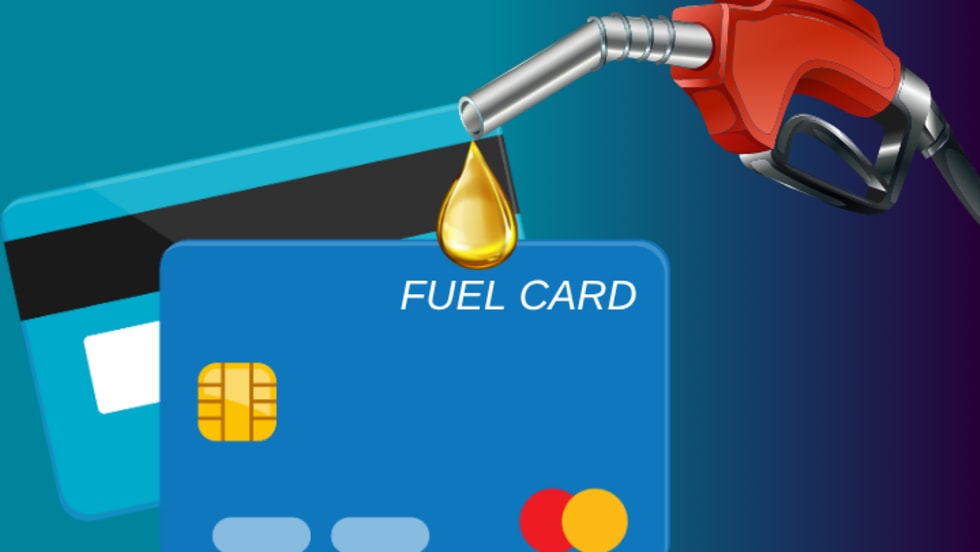
After the storms, we asked procurement to contract with a commercial fuel card firm that would provide at least 50 generic fuel credit cards to us. Procurement would control and issue the cards during an emergency, allowing County trucks to refuel at retail stations if they could not reach County fuel sites. The cards would also allow members of our newly created “Go-Teams” sent to render aid to out-of-county or out-of-state areas that had suffered a disaster to purchase fuel commercially without drawing fuel from the impacted agency’s supplies.
Internet-capable telemetry devices were added to all County bulk storage tanks allowing anyone with internet access and the proper credentials the ability to monitor our fuel inventory status from anywhere in the world.
Providing these credentials to our fuel supplier gave them the ability to exercise their “keep full” services based on our needs at their discretion. Doing this eliminated our need to physically place fuel restocking orders for each of our sites, which was previously a daily task.
2nd Lesson Learned: FEMA is a four-letter word. In fairness, FEMA had only been established the prior year. Our experience with FEMA was, in a word, unreliable. After the third hurricane passed (Jean), bringing an end to our 8-week hurricane marathon, FEMA called requesting fuel! I’m hoping their service and follow-through have improved over the years.
3rd Lesson Learned: The county did not have an adequate supply of standby generators in 2004. Neither FEMA nor commercial retailers were options as they too were scrambling for generators. After the storms, Polk acquired several trailer-mounted generators of various sizes. Stand-by power was also added to each county bulk fuel site. Florida’s then-Governor led legislation mandating standby power for commercial fueling stations (e.g., 7-11, Circle K, etc.) throughout Florida.
4th Lesson Learned: Communication resources will fail early. The County had a robust radio system with towers and repeaters, but wind damage and the loss of utility power County-wide compromised that system within just a few hours, as is likely to occur with cell service. Land-line phones were more common then, which was helpful,l but they too failed due to overcapacity. We relied mostly on our Nextel phones, a system that is no longer in existence. Be prepared to be creative because comms are going to fail. Long-distance push-to-talk devices are available currently, though they utilize cell networks, but may be a viable alternative as cell service is restored. Walkie-talkies could be an alternative.
5th Lesson Learned: Technicians and your FMIS system can provide historical parts usage data. Consider having a list of likely-to-fail or frequently used parts available in your parts inventory. Consider prioritizing this list by vehicle type, ensuring emergency response unit parts are on hand before the event. Include in this listing a copious amount of Diesel Exhaust Fluid.
Fortunately, most governments treat parts, tires, and even fuel inventories differently than the private sector. Boosting your inventory balance will not impact your bottom line until they are used. Most vendors will allow you to return the items after the event anyway. Your client departments will appreciate having these items on hand in lieu of removing a unit from service due to the lack of a part you could have acquired in advance.
If your entity considers enhancing its disaster preparedness strategy, it should be clear that fleet must be at the table. No response, recovery, or rescue can occur without fuel and a functioning fleet.