The number of management professionals who were around before the advent of computers is shrinking every year. I am, or was, one of those who lived in that transitional period; I would never go back. I am excited by what the future holds even though I won’t be around to live it. I envy those of you who will participate in that future and be able to take advantage of the opportunities that future offers.
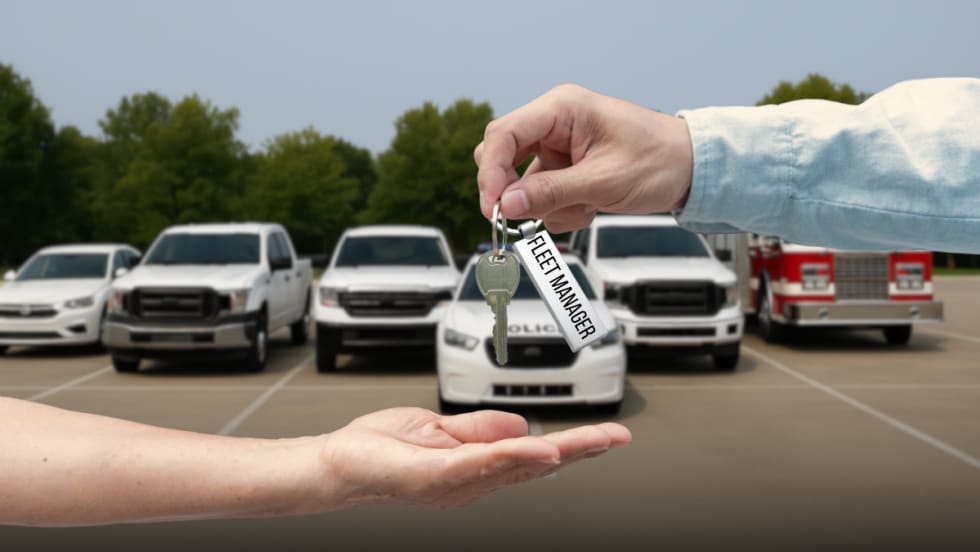
As government fleet managers though, our responsibility to be good stewards of the public trust in every way that trust comes to us, remains unchanged. Our constituents expect and demand their trust be earned and honored every day.
Is it possible that government fleet professionals can actually leverage even the broad advances and advantages offered by technology we depend on, in ways that promote efficiency while lowering operational costs in tangible and visible ways to illustrate how our use of technology promotes good stewardship?
Here are a few examples of those opportunities for your consideration:
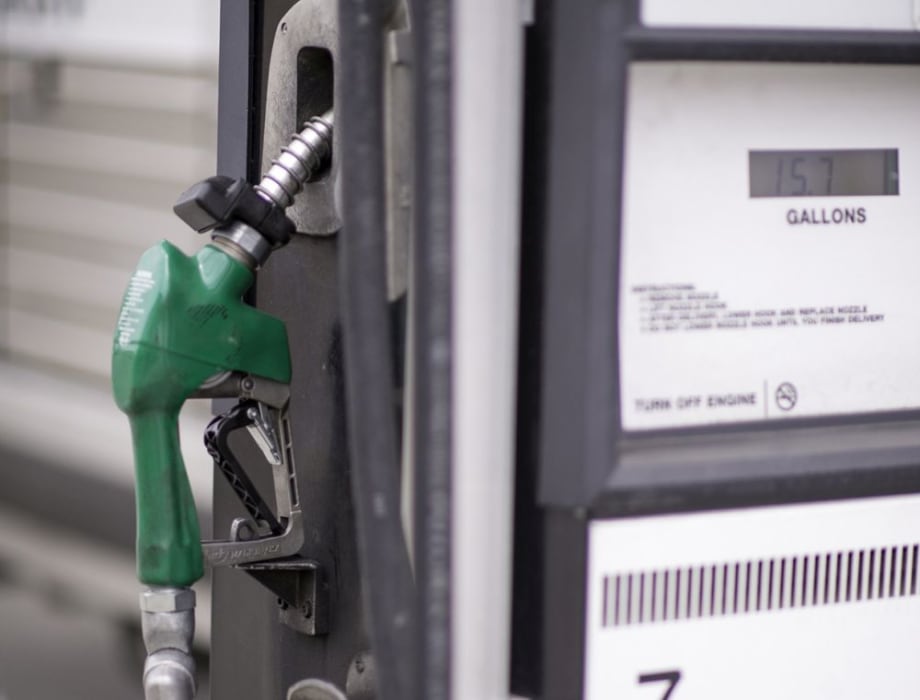
In-House Fueling Operations
Fuel is a commodity; fuel sales from our suppliers is a commodity business where we can truly say, “Cash is King.” Cash flow in the fuel business is just as important as it ever was making prompt payment a critical success factor for suppliers. What if we paid our fuel suppliers faster?
What if, instead of paying fuel suppliers via typical invoice processing methods, we leveraged the available technology in the banking sector and paid fuel suppliers in 15 days, less, perhaps even within 24 hours of delivery? If we can make this happen, would such have enough value to our suppliers that they would shave a few pennies from their price? Find out…this is a negotiation opportunity, even under your existing contracts.
Suppose you consolidated that practice by enlisting cooperation with other local governments in your area to do the same? The potential savings for your constiuents may be well worth the effort, even if your fleet does not benefit directly.
Many of you already have tank monitoring hardware that provides tank fill levels; some of you utilize this tech to assist in balancing your liquid inventories. Would you consider sharing this information with your fuel supplier in favor of a “keep full” service where suppliers schedule deliveries to you without your direct interaction?
This program offers efficiencies both to you and your supplier. You no longer have to bend the administrative effort to monitor your tank levels manually and order fuel only when a delivery is needed and they have the option to adjust your inventory as they have available capacity in their delivery system. Is it possible your suppliers might see enough of a benefit from this service to lower your delivery charges?
Parts Availability
No one has to tell you how a tightened supply chain has impacted your operation. Yes, the supply chain is easing but still remains a challenge. Many governments have transitioned their in-house part operations to a vendor managed business model which for those government fleets, has certainly helped mitigate some supply chain challenges.
For others however, more and more vendors offer on-line mechanisms allowing customers such as government fleets the opportunity to not only view their on-hand inventory but to actually place orders directly, on-line. While this is terrific technology in itself, can it be tweaked further to
provide even greater utility?
For instance, rather than assembling the parts necessary to perform a standard PM at your parts counter, can parts kits be created and the real-time need for same transmitted to your parts supplier who not only assembles the kit needed but delivers that kit(s) directly to the technician’s bay you designate. Because each bay is identified with a number or some other identifier, the delivery can be specifically fulfilled precisely where it’s needed without your staff’s direct interaction.
This action could be triggered using your FMIS or vehicle telematics system that schedules the PM automatically. Would that level of efficiency be a benefit? Can the prompt payment fuel strategy work here too and lower overall parts costs in the same way?
Technician Training
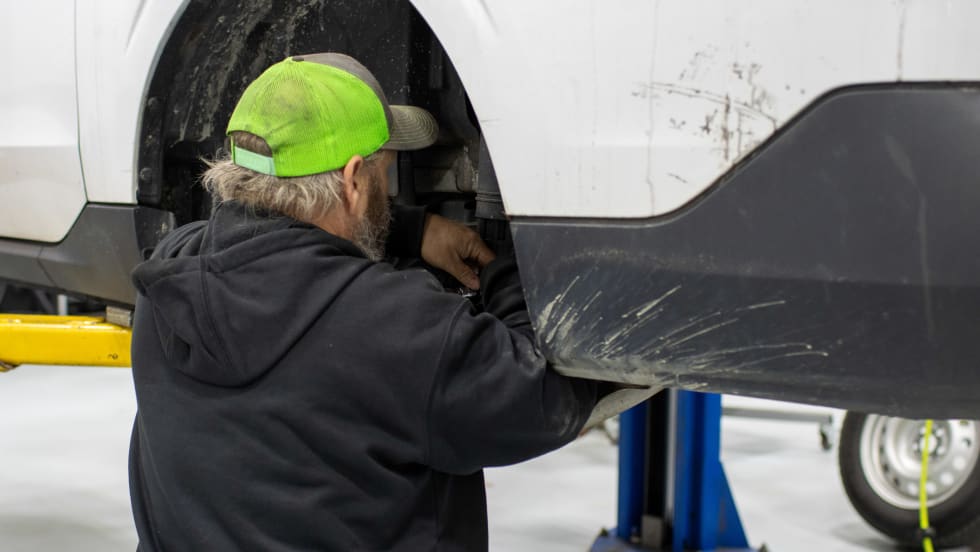
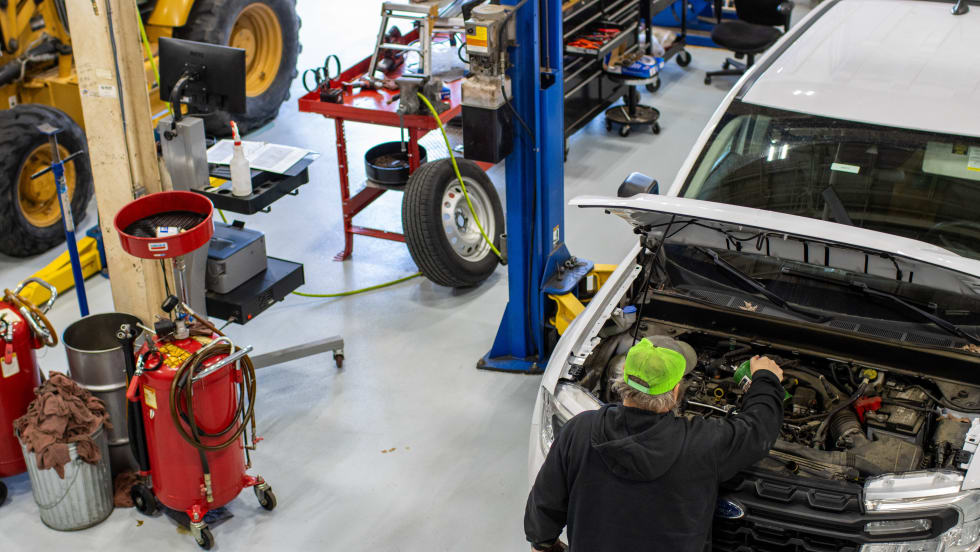
There is no doubt the shortage of technicians exists and is getting worse. The shortage of highly skilled technicians, those “go to” technicians we all rely on, is even more critical than ever as they retire and leave the work force. You live that reality every day.
Technological solutions are however, available and muting the impact. Providers of service tooling such as Diesel Laptops and Noregon are helping bridge the skills gaps both through training and more importantly, with service tooling that typically offer technicians a step-by-step diagnostic pathway to mechanical success, even if they lack the specific training required for a specific repair.
Granted, many of you will comment that these tools are too expensive. Maybe so. These tools are expensive but how expensive is it to recruit, hire, manage turnover, or cope with customer vehicle downtime while a needed repair goes wanting either at your facility or at a vendor’s. What
is it worth to you to increase your daily shop throughput using these tools for that purpose?
We in our industry must face the management reality that not every technician will have the skills needed to execute every repair. The technology has always advanced at a faster rate than the rate of our training resources. Up-to-date service tooling mutes that impact. To leverage that technology, your shop(s) will require the best wireless connectivity however. If you do not have that…get it and soon.
Asset Management
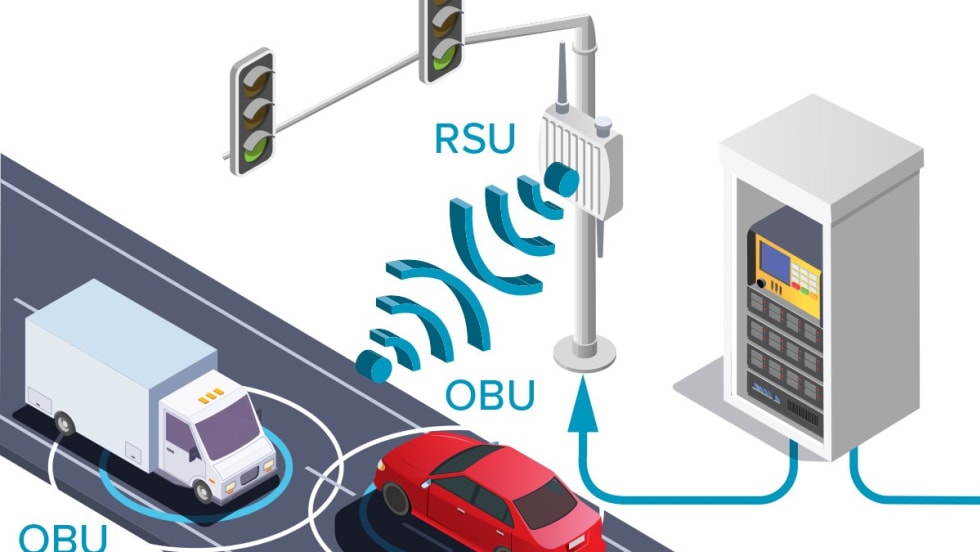
Our industry has adopted telematics in many ways; there is no longer a question of the utility of that technology. As good as this technology is today, the technology associated with these products is about to explode in functionality with the advent of 5G capability. Connected vehicles will soon be an actual reality.
Vehicle platforms will soon be routinely diagnosing and repairing themselves over the air. Warranty updates, diagnostic information, safety recalls and even operational data for drivers will all be delivered over the air in a seamless fashion. These enhancements will afford fleet managers the opportunity to manage asset life, control cost and repairs, while at the same time delivering even better customer service than ever.
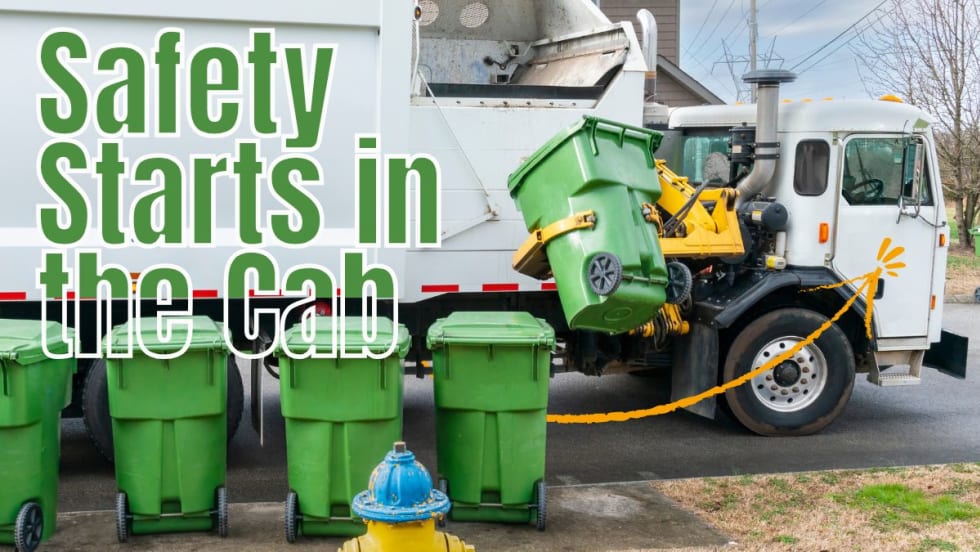
Consider taking proactive steps now by asking for, in fact demanding a greater level of sensory technology be added to vehicles. For instance, in refuse trucks, demand the addition of hydraulic pressure and temperature sensors in critical areas where failures are likely to occur and incorporate the sensor data using dash mounted gauges for operators and data transmission through the telematics.
In fire apparatus, demand better technology where water pressure and pump temperatures can be monitored and reported. You get the idea; as consumers responsible for maintaining this equipment for years, it is our responsibility to clearly identify what we need and demand OEM compliance by providing the technology.
Many units of all stripes are equipped with exhaust aftertreatment systems and yes, sensors seem to be added with every new iteration as these systems become increasingly more complex. Demand the diagnostic software for these systems be delivered as a condition of the vehicle purchase to assure your staff can properly maintain these vulnerable systems from day one.
Many of us require that driver/operators conduct a vehicle pre-trip inspection, although sometimes with less than perfect results. Most telematics suppliers sell an electronic logging device (ELD)
for the commercial heavy truck space. While such a device is not required in the government space, the ELD technology therein offers an electronic pre-trip inspection component, the results of which are or can be transmitted to the shop.
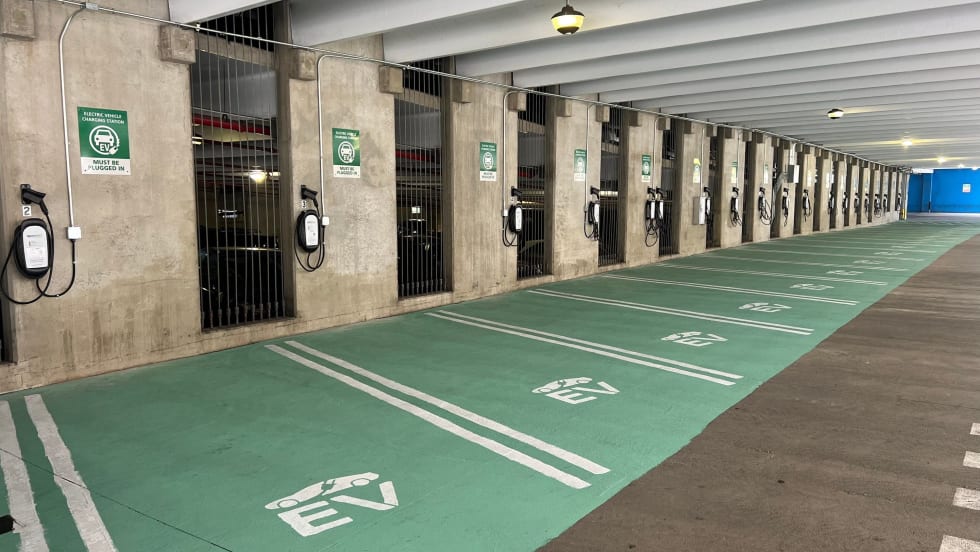
Is it possible your telematics supplier can carve out the electronic pre-trip feature they already have, for your telematics systems in order to enhance driver to shop communication of vehicle issues? The advent of EV’s has brought with it a whole host of anomalies such as the lack of consistency in charging plugs.
I charge my phone wirelessly. The technology exists to charge vehicles wirelessly and yet while we seem to agree the charging network remains among the chief impediments to EV adoption, we continue to shoot ourselves in the foot by failing to adopt a standard plug. Last time I checked, every unleaded fuel nozzle seems to be the same diameter nationwide. How hard can this be?
FMIS Utility
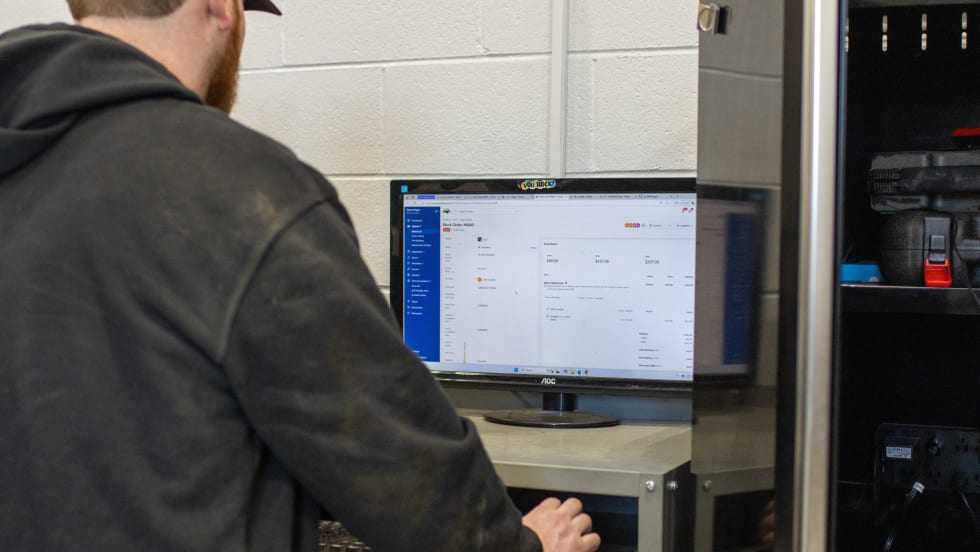
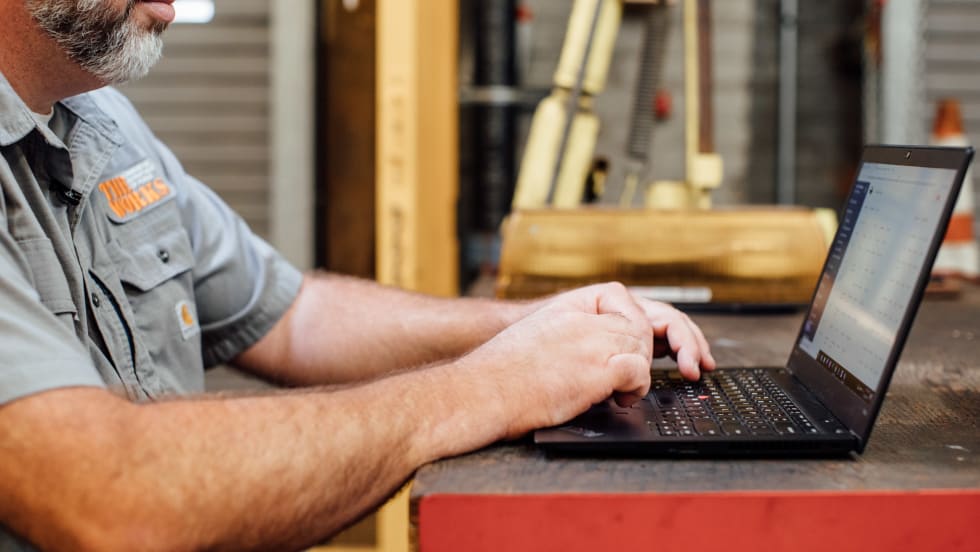
Many government fleets utilize costly fleet management information systems to manage day to day maintenance challenges and collect historical data used in decision making. Is it enough to read a vehicle history report? Is it enough to just generate a work order? Is it enough to monitor miles/gallon history? Or…
Should your FMIS data be providing exception reporting? How important is knowing if your PM’s were performed on schedule rather than knowing the quality of the inspection? How important is knowing in which technical areas more training may be needed rather than knowing your vehicle availability percentage?
Should not your key performance indicators actually lead you in the direction of some operational improvements rather than to a history report? Can your FMIS system provide a dashboard not just for you, but one tailored to your customers’ needs?
Demand that your expensive data generation tool provide actionable data you can use to manage your business; your vendor can help and if they cannot, consider making a change. Too often, we run our businesses to accommodate the needs of the FMIS system rather than the other way around. In our business, just like “Cash is King” in the fuel business, for us, “Data is King."
Me? I’m a technology “Neanderthal” just scratching the surface of a bright and exciting future you all get to live. Strive to leverage the technology as the exciting tools they can become to benefit yourselves and the constituents you serve.
About the author: Bob Stanton is a retired government fleet director and current industry consultant based out of Cumming, Ga.