Sometimes part of the fleet journey is about reflecting—not just on progress, but on the people, tools, and moments that shaped it.
Photo: Government Fleet
I started working in the world of fleet services in 1985 when I received a layoff notice while working for a California utility company. By a stroke of luck and an assist from the Almighty, I caught a break and was offered a job in a department called Field Garage Operations.
Without hesitation, I accepted, not knowing what skills or previous knowledge I would need to succeed. I was just happy to have a job, and my wife was happy that the income stream would continue.
The Ongoing Journey Through Fleet
The job required me to provide all administrative support for a group of mechanical inspectors and technicians who all worked remotely. This group provided regulatory inspections and repairs supporting mobile crews from the Line, Tower, Gas, Hydro Station, and Substation departments.
My duties included payroll timekeeping, parts ordering, pickup and delivery, maintaining safety compliance reporting, processing purchase orders, mail runs, operating a forklift (that I once drove into the office trailer), and every other task that I was asked to do.
I was 29 years old, and for the first time in my working career, I found that elusive career path that made me look forward to reporting for work every day. I loved everything about fleet operations, and I worked for a great supervisor named John Sargent, to whom I will forever be indebted for his patience, knowledge, encouragement, and discipline.
Stepping Into a Leadership Role Within Fleet
After proving my worth and graduating from California State University – Sacramento with a Bachelor of Science degree, I was offered a management position in 1991.
This new job required me to resolve over three years of manufacturer recalls on a mobile fleet of about 5,000 vehicles, take on the task of establishing a warranty tracking and cost recovery system, and prepare our annual fleet budget.
This was also the time of the bourgeoning computer age when paper records moved to electronic record keeping, and I was asked to conduct entry-level personal computer training for our mechanics so they would get an early understanding of how computers would become a part of their overall job requirements.
My first class was a complete bomb, and that word traveled to my supervisor. Distraught at first, I pressed my brain to come up with a solution when it hit me – let’s have the mechanics take a look at the inside of the computers in the training room.
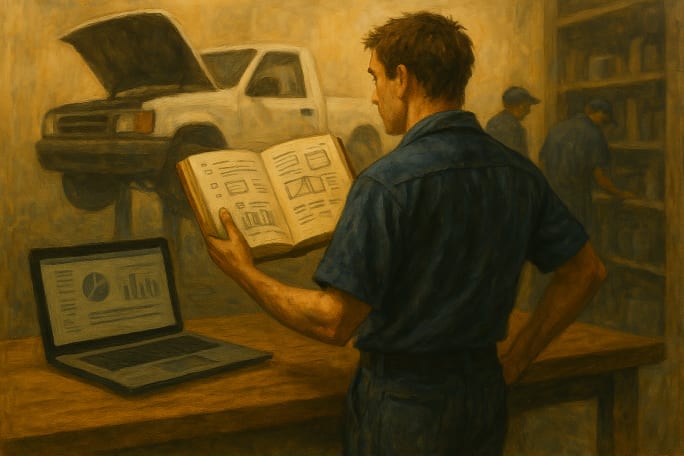
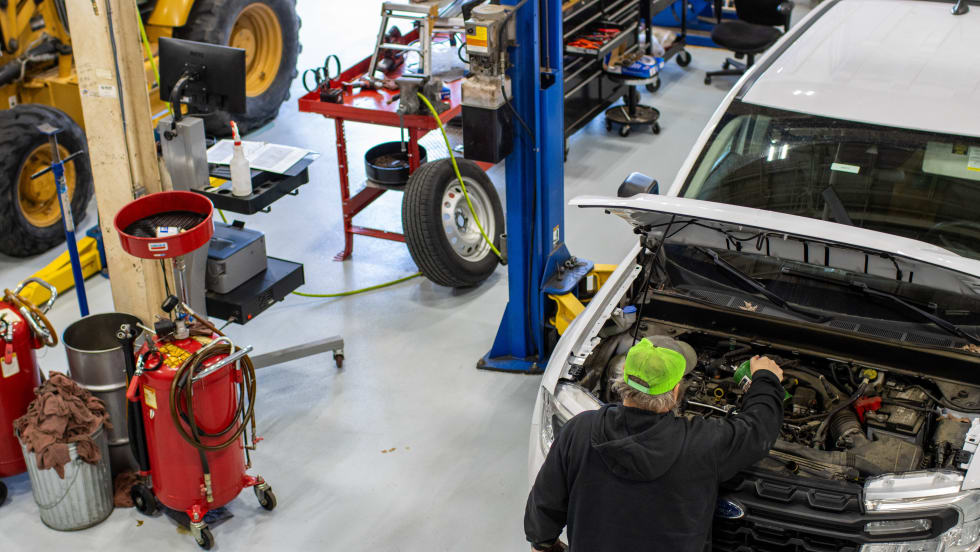
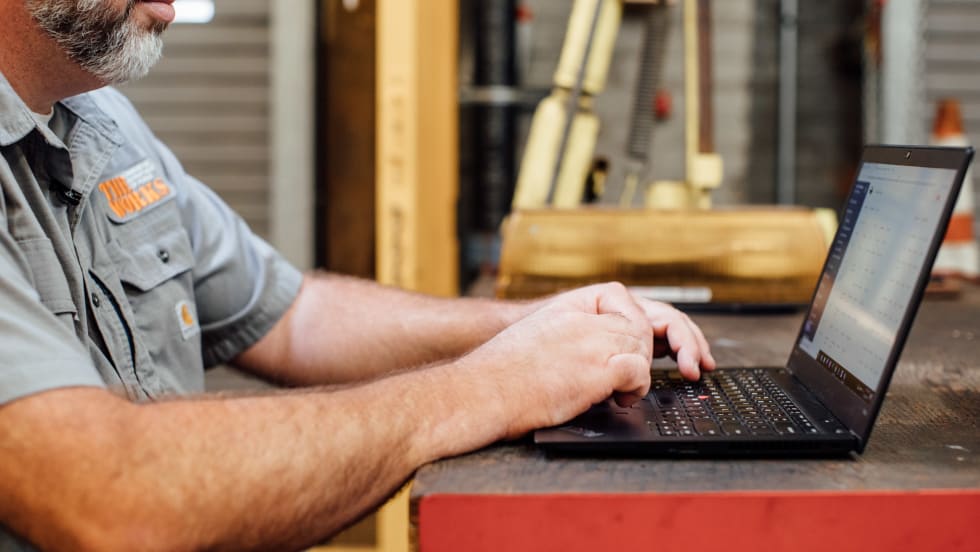
From the shop floor to software training, supporting technicians has remained the constant.
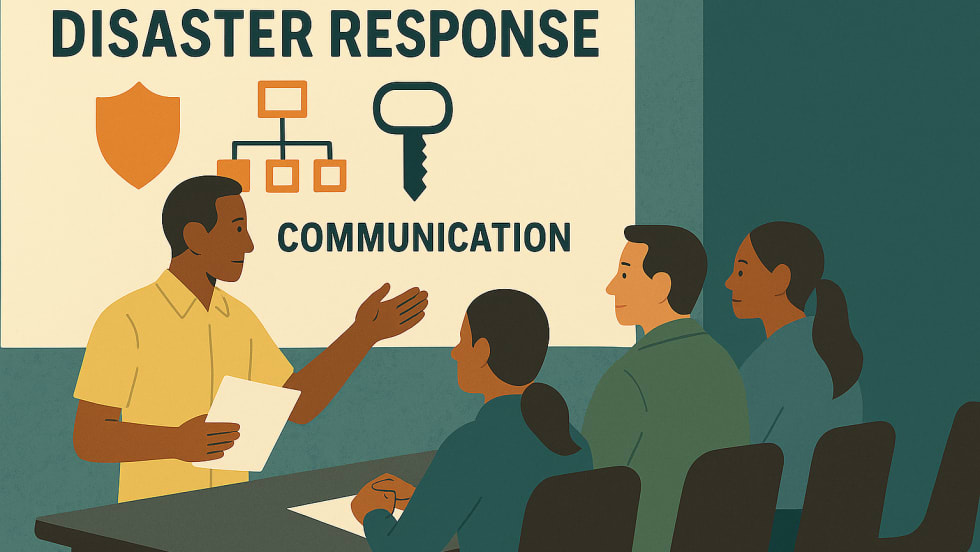
Photo: This utilizes an AI-generated image. Refer to our Terms of Use.
So with a set of nut drivers, all students removed the cover of the PC and then watched as they typed something on the screen, hit
Fleet Experience, Shared Forward
My training career at the utility company led to a job offer in 1998 from the software company whose maintenance program was used by the utility company. For the next 20 years, I visited a total of 37 different fleets across the U.S., Canada, and the United Kingdom.
The rewards from this job were twofold:
I had the pleasure of meeting and working with some very fine people in a variety of fleets.
I learned a great deal about the various ways these folks went about their fleet business.
I never expected the level of shared information that I would be privileged to have and ultimately share with other fleets. Some of my clients would pay me high compliments for the amount of knowledge I shared, and each time, I was quick to remind them it was clients just like them who taught me all about fleet operations.
I simply absorbed the information and passed it on.
At these software company annual conferences, I was an instructor assigned to a variety of topics. Here are some of the more memorable classes that were well-received:
Factors to consider when establishing your shop labor rate
Do you know your labor productivity rate?
What measurements can confirm your PM program is working effectively?
What is your work order turnaround time, and how can you measure it?
Effective work order job coding
Various ways to organize your part inventory rooms for efficiency
How can you improve your physical inventory count variances?
Is outsourcing your parts operation for you?
How can a motor pool operation complement your vehicle replacement planning?
Are you calculating a cost-per-mile on electric vehicles and comparing with ICE vehicles?
Calculating shop staffing levels based on Vehicle Equivalent Units (or MRU’s)
Over time, I observed and sometimes participated in developing fleet best practices that I passed on to each of my clients. Some examples of these were:
The adoption of the computer age in the areas of historical record keeping and diagnostic / troubleshooting software (remember the bulky repair manuals?)
Identifying and tracking key performance indicators in the areas of work order management, vehicle utilization, downtime tracking, replacement planning, PM and regulatory compliance, warranty tracking and cost recovery, parts management
The adoption of GPS tracking and capturing that data in their fleet management information system
A New Era of Fleet Operations
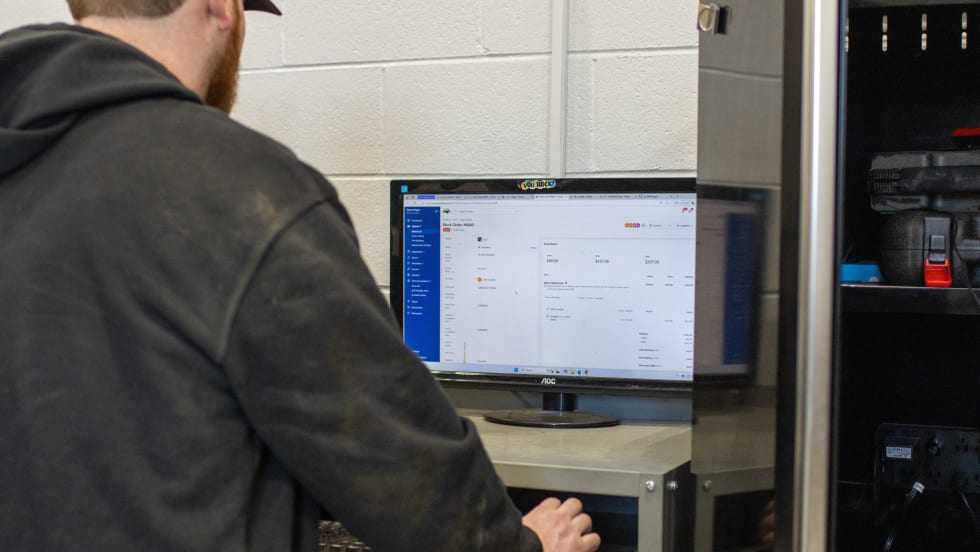
Today, I see technicians using a computer to research diagnostic data, record and transmit emissions testing data to their respective state agencies, research and order parts required for repairs, and record their labor electronically as they complete one job and move on to the next; and yes, sometimes to check their Amazon orders.
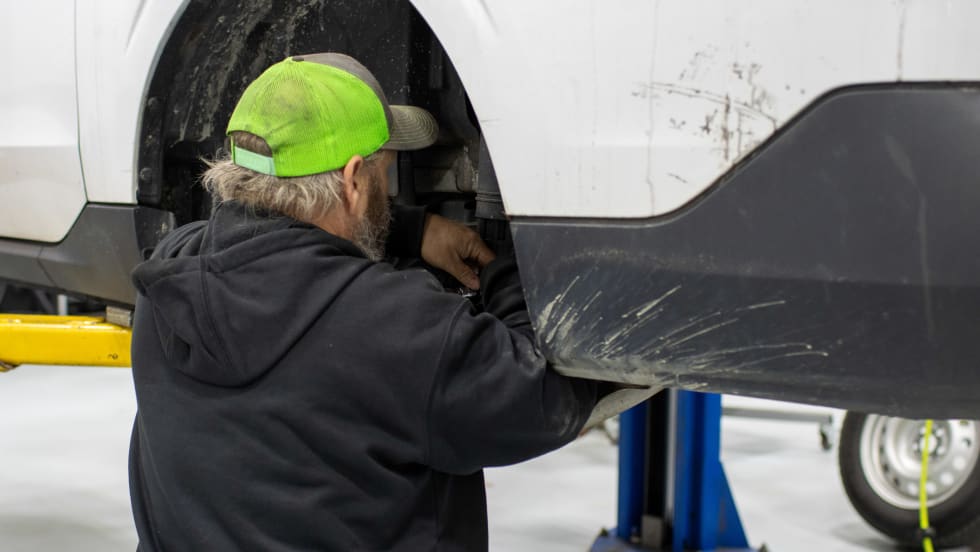
Today, I see technicians working on 30-year-old refuse trucks and 2025 E-Transit vans, and sometimes on the same day.
Today, I see parts rooms stocked with much more than filters, brake pads, bearings and seals, belts, and hoses – I also see harnesses and antennas for the electronic capture of data from vehicles’ PCMs and ECUs.
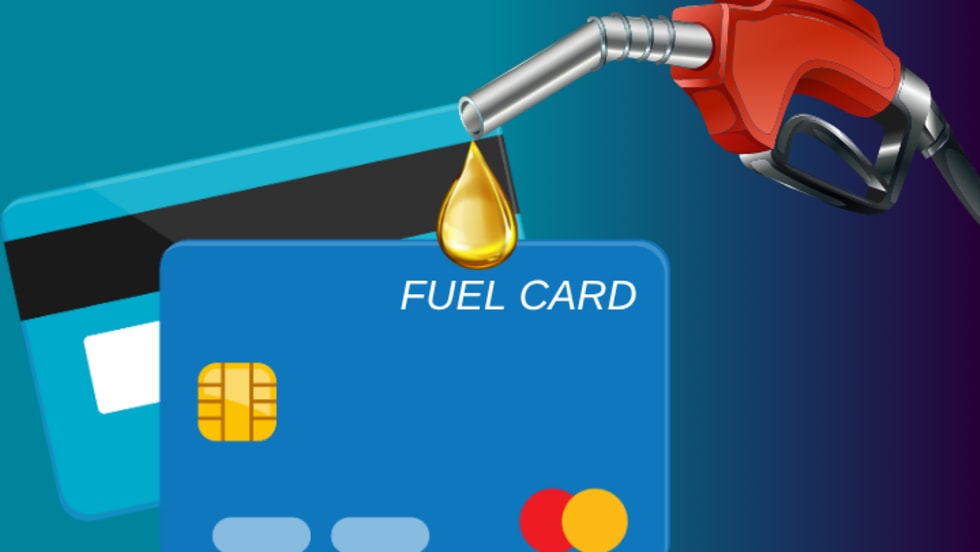
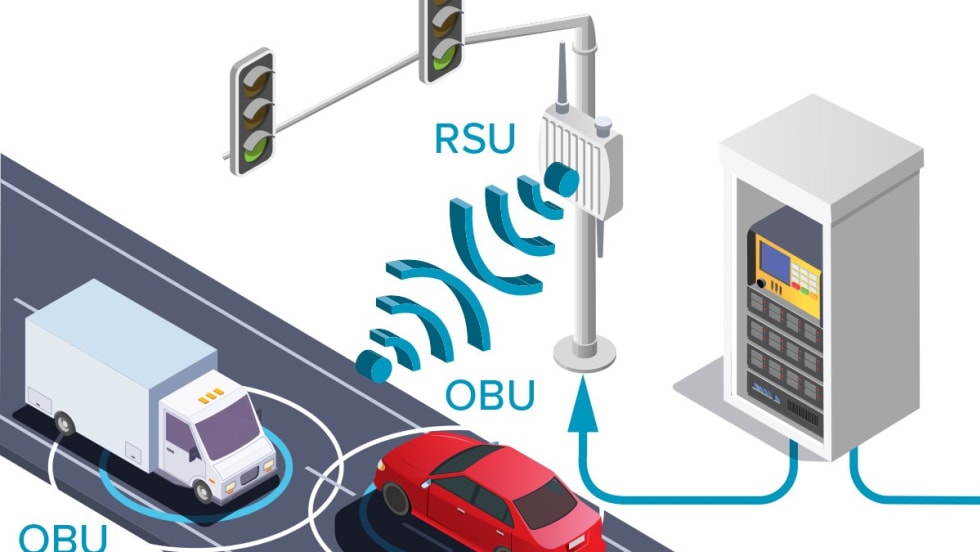
Today, I watch as a vehicle pulls up to a site fuel location and the fuel ICU is automatically turned on, the vehicle number recognized, the type of fuel to authorize, the ability to limit the number of gallons pumped to not exceed the fuel tank capacity, the capture of the vehicle odometer and/or hour meter, and the date/time of the transaction.
"Mutual respect has endured the test of time."
Then, in about 60 seconds, I see the fueling transaction posted into the fleet database.
Recently, I was taken to lunch in an early celebration of my pending retirement. I jumped into a Tesla and proceeded to watch the vehicle take us through intersections and lane changes without the driver touching the steering wheel. I confess parts of that ride were “white-knuckled.”
And advancements have also come to my home. I received a retirement gift from my daughter – a new toilet seat. It’s heated, and it has water jets that, well, assist with the entire process of a bathroom visit. I sat down, shut the bathroom door, and played a game on my iPhone in the most relaxing environment imaginable. Thank God there’s not a TV in the bathroom, at least not yet.
In retrospect, I have maintained this one thought throughout my career: the customers brought their vehicles to the mechanics for PM and repair work. They didn’t bring their vehicles to me. I recognized the techs were the stars in my fleet, and I was there to support them in any way I could.
That attitude and perspective was the single most important key to the success I enjoyed as a fleet operations analyst and trainer. Mutual respect has endured the test of time.