We asked attendees of GFX 2021 what projects they were currently working on.
February 2, 2022
2 min to read
What’s one project you’re working on right now? Here’s what attendees at the Government Fleet Expo & Conference had to say.
John Hyatt, fleet manager, City of Dublin, Ohio
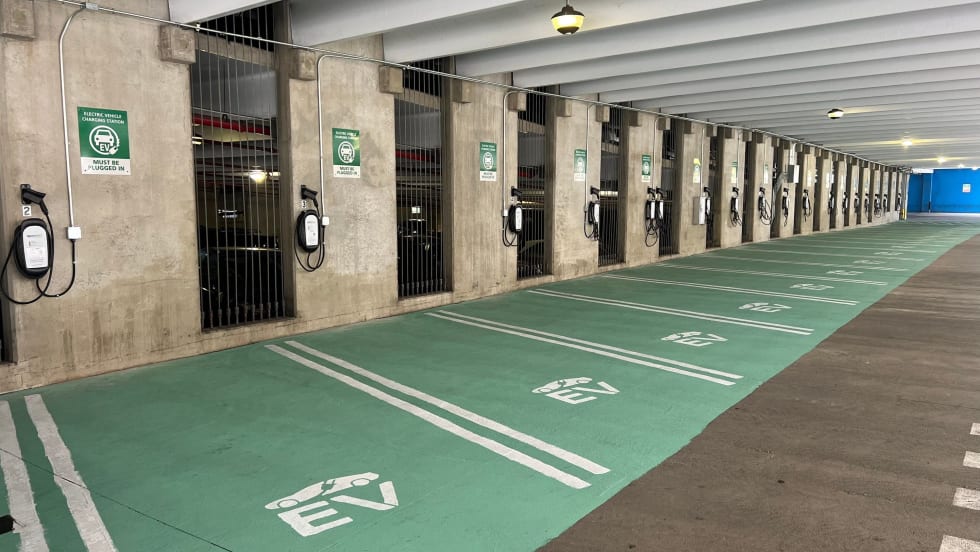
The city has mandated us to increase our electric vehicle totals. I was tasked with coming to the show to find a solar panel that mounts out in the parking lot so cars can park under it. We did find one, and I’m pretty happy with it. We’ve got a lot of projects coming, but it’s mainly acquiring vehicles and getting more electric vehicles in our motor pool.
Kevin Devery, fleet superintendent, City of Goodyear, Arizona
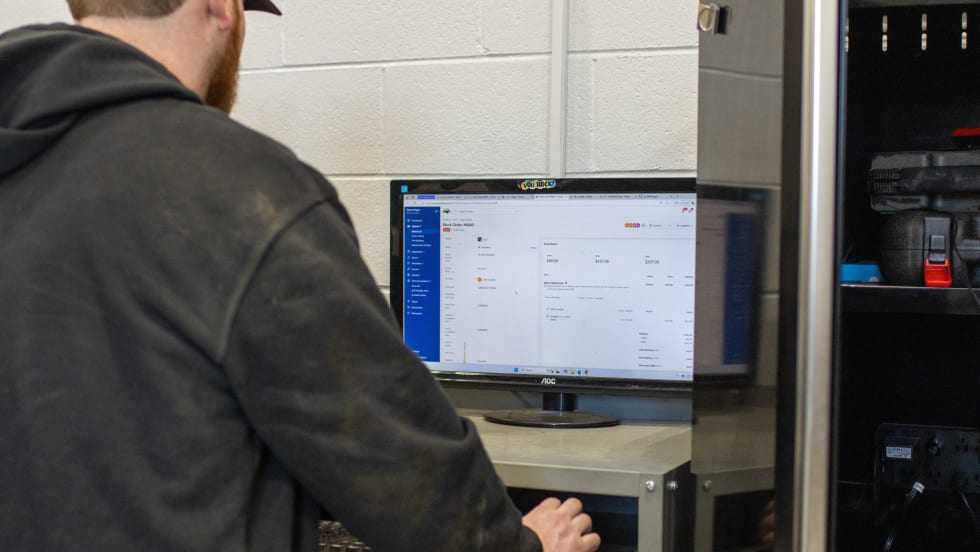
We’re just initiating our NAPA IBS [parts management contract]. They’ve been with us less than two weeks. We’re bringing them in to have more parts availability, to have a larger inventory on our shelves at any given time, and the fact that our technicians can just walk up and get the parts they need without having to do any ordering themselves. It also takes the burden off the administrative side because we were dealing with, I want to say, 200 invoices a month, and now we get one.
Dave Persad, fleet superintendent, City of West Palm Beach, Florida
Electrification and greenhouse gas reduction — that’s been a heavy topic at the conference. I appreciate the sessions, roundtable discussions, and casual conversations with other fleet management colleagues who have already implemented or began the implementation to some degree. The biggest task we are faced with is how to bridge the gap between getting the vehicles and how and where they’re going to be plugged in. We need to figure out a game plan on what we need to do so we can get the infrastructure component assessed, budgeted for, and implemented to facilitate our EV aspirations.
John Reel, administrative supervisor, City of Tulsa, Oklahoma
In May 2020, the City of Tulsa suffered a ransomware attack. We lost all computer functions including access to our FMIS for three months. When you don’t have the tools you are used to using, you recognize things that you should have pretty quickly. We were back to handwriting work orders during that time. We’re working on a lot of data cleanup, identifying methods to ensure our data is safe, and putting plans in place in the event that it happens again. We’re also working on consistency with our FMIS, such as standardizing the way new units and equipment are entered into our FMIS software. We’re also looking to streamline some processes using the internet and using our city’s networks to automate some processes, like our motor pool.
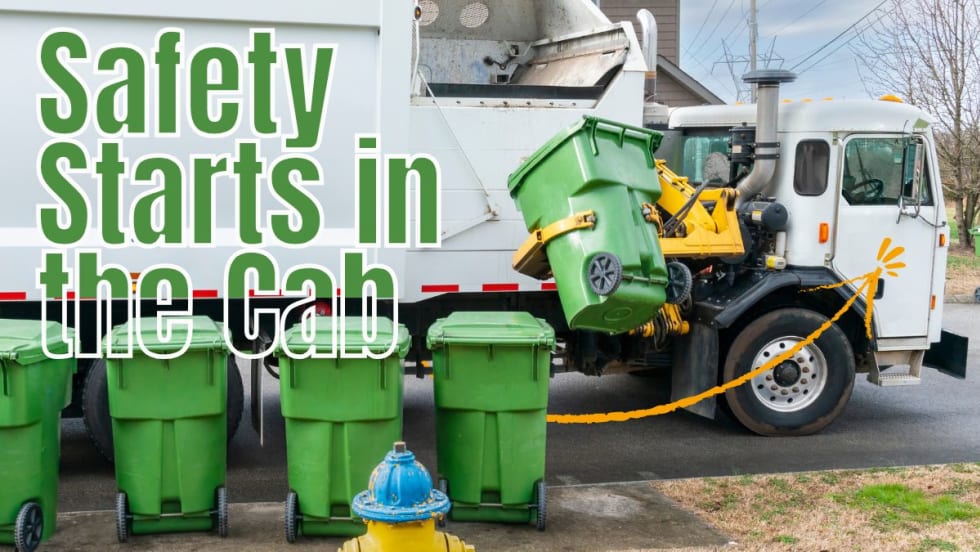
Ride along on a pre-dawn refuse route to see how operator-first, integrated safety technology turns split-second risk into preventable events and why purpose-built trucks are the next step in fleet safety.
The potential to manage your fleet effectively while ensuring the safety of both employees and the community can often go untapped, but there are certain habits you can adopt to get to that point.
State and local agencies have a unique chance to recruit skilled federal employees affected by workforce changes, but doing so will require strengthening total rewards packages with competitive benefits and financial wellness support.
Industry veteran Mike Cleary shares his journey in automotive and truck diagnostics while setting the stage for future insights, tips, and strategies aimed at helping fleet professionals sharpen their technical and diagnostic skills.
Fleet managers are the ones who coordinate keeping fleet assets safe and running while staying apprised of industry challenges that could impact staffing, uptime, costs, routing, etc. But the key question is: How?