Fleet management has been forced to undergo significant changes in recent years. The EPA has introduced greener measures to boost fuel efficiency and assist with meeting federal requirements, but advanced technologies like data analytics are also proving to be important tools.
From cutting costs to improving maintenance efforts, we’ll explore all the possibilities that data analytics can offer fleet operations looking to optimize their output.
Enhancing Fleet Efficiency with Data Analytics
Efficiency is everything with fleet management, especially when trying to stay in line with government compliance and budgets. Here are some of the key ways that data analytics can help boost fleet operations:
Route Optimization: Data analytics are able to look at historical traffic and weather trends alongside real-time data to provide accurate suggestions on the most efficient routes for government fleets to use. This helps save time and fuel and can assist in keeping drivers off dangerous routes that might put them or their passengers at risk.
Transportation Management Systems (TMS): Though used primarily in cargo and logistics contexts, integrating a TMS into fleet operations can be hugely beneficial. These systems assist with route optimization, load planning, real-time tracking and visibility, carrier and driver management, cost controls, and compliance and safety.
Fleet Utilization Analysis: Fleet utilization analysis tracks how frequently vehicles are used, their mileage, and more to build a comprehensive picture of whether you are getting the most out of your fleet. The insights from this can guide which vehicles to invest in going forward to improve efficiency, and which may even be worth retiring to save costs.
Utilizing Data Insights for Predictive Maintenance
One of the best strategies for logistics success is predicting problems before they cause delays. In no area is this truer than when it comes to predictive maintenance for fleet management. When vehicles and equipment fail, in addition to the cost of repairs, there are additional costs associated with any last-minute fleet adjustments that have to be made to fill the gap of a vehicle being stuck at the mechanic.
Thankfully, predictive analytics are here to save fleets the hassle and the expense of unforeseen breakdowns. The technology relies on a variety of sensors that monitor real-time data from vehicle brakes, engines, etc., and capture everything from performance to temperature and fuel efficiency.
This means that teams are notified in real-time if even the slightest hiccup occurs, thus reducing the extent of any damage. Data analytics platforms can also take all that information and provide predictions on when maintenance should take place to best avoid breakdowns. This makes it easier than ever to schedule maintenance visits efficiently.
These insights leverage AI and ML powered algorithms which are smart enough to “learn” machines through data and provide even better predictions over time. The data can be used to reflect on past failures and pick up on trends with problematic parts or vehicles so that fleets don’t get bogged down with recurring issues.
Real-Time Fleet Monitoring Through Telematics
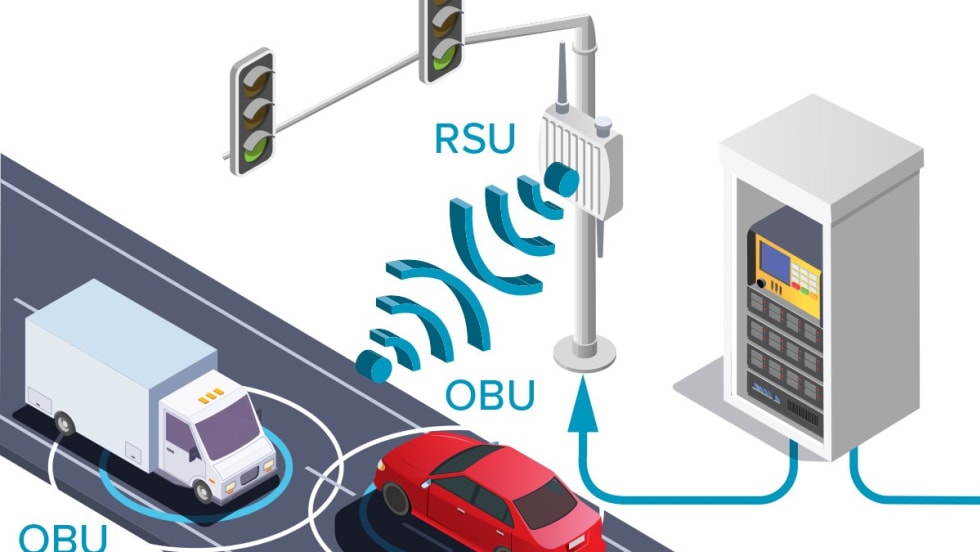
There’s a rising demand for vehicle telematics at the moment and yet far too many fleets aren’t taking full advantage of this technology yet. Telematics combines multiple tools, including GPS monitoring, vehicle diagnostics, sensors, and telecommunications to track data from fleet vehicles and report it in real time.
Here's a closer look at what telematics can offer:
Driver Behavior Monitoring: Speed, braking, acceleration, how tightly corners are taken or how long drivers idle or stop for are all tracked to show risky or inefficient behavior. This type of real-time monitoring can help flag risky drivers and help fleets address problematic behavior before it has major consequences.
In addition to promoting overall safe driving behaviors, another bonus is that many insurance companies will reduce premiums when it’s proven to be in use.
Geofencing: Real-time monitoring of vehicle location is already a benefit of telematics but geofencing takes it a step further. This application of telematics creates virtual boundaries or “geofences” around specific areas and then sends alerts when those boundaries are crossed. For government fleets only authorized to operate in certain zones and on official government business, this is highly useful.
Fuel Usage: Telematics systems track fuel consumption so that fleet managers can see exactly when and why fuel usage increased, and address the root causes in order to solve the issue.
The benefits of the above are simple: government fleets get to see exactly how vehicles are being used at all times so that no inefficiency is missed. This helps keep operations within budgetary and compliance restraints.
Assessing the ROI of Data Analytics in Fleet Management
It comes down to a few key metrics: fuel efficiency, maintenance costs, driver behavior, labor costs, vehicle downtime, insurance costs, and fleet utilization. With each of these, fleet managers need to look at the tangible and intangible benefits that data analytics will bring and compare that to the current state of their fleet operations.
The final ROI figures will differ from fleet to fleet, but overall, data analytics have been proven to make measurable differences for all key performance indicators, providing both real-time and predictive insights so that fleets can make more informed decisions and avoid expensive inefficiencies.