Public sector fleets already rely on telematics, but maximizing its value is the real challenge. Fine-tuning data usage can uncover cost-saving opportunities, extend vehicle life, and improve overall performance—turning routine tracking into a strategic advantage.
Moving from Reactive to Proactive with Fleet Maintenance
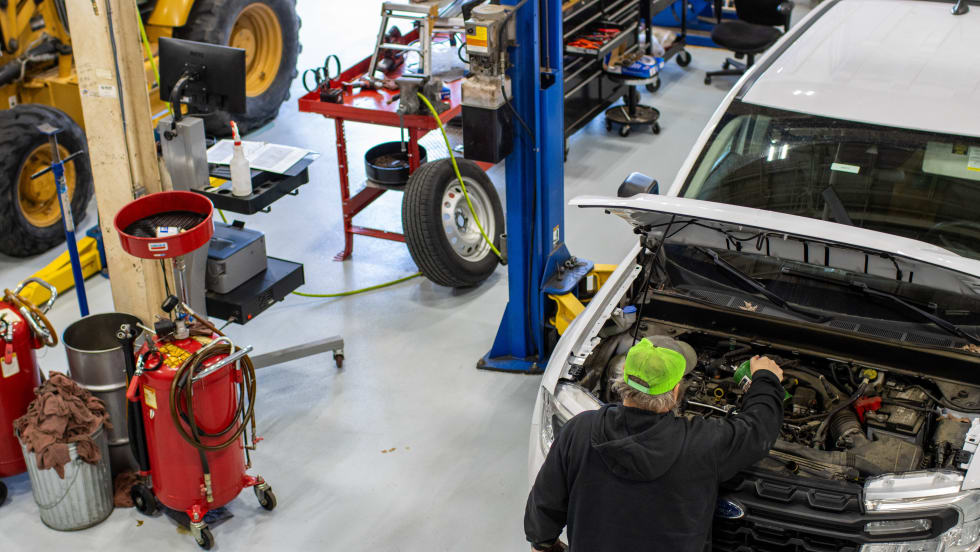
If a public sector fleets still uses paper-based systems or spreadsheets, addressing issues, such as maintenance repairs may only happen after things go wrong. This can lead to problems such as downtime and unexpected costs. But with the right telematics tools, fleets can start the process of moving from reactive planning to a proactive.
By catching issues early, fleets can avoid costly breakdowns and maximize vehicle uptime. According to the 2024 Fleet Technology Trends Report, 83% of fleets already rely on telematics for this purpose.
Telematics to the Rescue
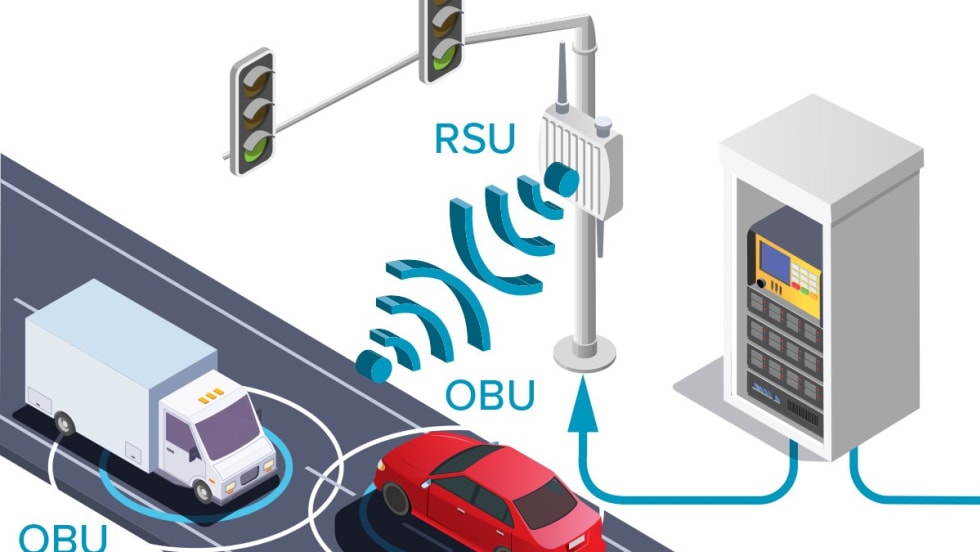
A good way to approach telematics is understanding the full diagnostic report on every vehicle that is available all the time. GPS technology helps track exact vehicle locations, while sensors monitor everything from fuel efficiency to engine health.
Modern fleet software doesn’t stop there – it uses machine learning and AI to analyze data, helping fleet managers predict potential problems before they happen. This approach could save time, money, and further headaches down the line.
Telematics for Saving Big on Costs
Fuel is one of the most significant expenses for fleets. Telematics may be able to cut fuel costs by up to 14% by tracking behaviors like speeding and unnecessary idling while suggesting more efficient routes. Better driving habits and optimized routes equal better fuel economy –and that’s money saved.
Regular maintenance is a must, but telematics goes a step further by helping identify driving habits that wear out vehicles quickly. Hard braking, rapid acceleration, and sharp turns can add to major repair bills. Using telematics to track these behaviors, fleets may be able to reduce maintenance and repair costs by as much as 14%.
Accidents are costly, both in repairs and insurance claims. Telematics can track risky behaviors – like speeding – so fleet managers can intervene before an accident happens. The data shows that fleets using telematics have seen up to a 45% reduction in accidents and a 50% reduction in insurance payouts.
Telematics can also help increase productivity by cutting down on idle time and optimizing routes. With better routing and fewer delays, fleets can improve on-road efficiency, boosting overall productivity by up to 12%, according to the Descartes-Geotab report.
Making Telematics Work for Your Fleet Needs
Telematics isn’t just about tracking the basics but providing in-depth insights to help fleet managers make smarter decisions. Continuous diagnostics monitoring means issues can be spotted before they become real problems with the goal of preventing unnecessary breakdowns and keeping vehicles ready for service.
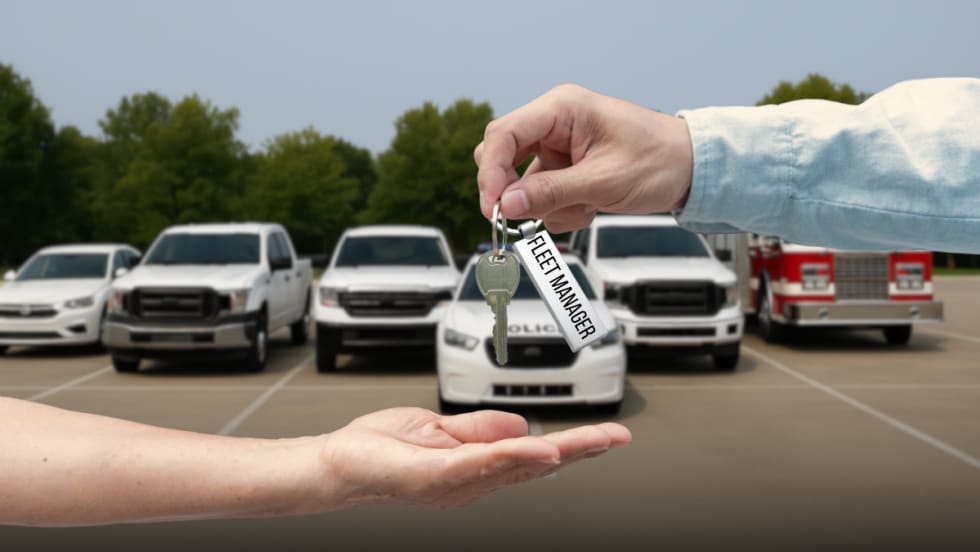
In the realm of emergency vehicles, where the ability to dispatch and respond quickly is essential, telematics can help dispatchers track vehicle locations, speeds, and operational statuses in real-time, making it easier to allocate resources efficiently and respond faster.
However, the key to making telematics work for each fleet's particular needs is regular data analysis. Reviewing telematics data regularly can identify trends and pinpoint areas for improvement, from adjusting routes to tweaking driver training. It’s about getting the most out of the system and ensuring your fleet is always running at peak performance.
Telematics also brings a layer of accountability into the mix. The ability to track driver behavior and vehicle locations gives fleet managers the transparency they need to address concerns and improve safety. Plus, in the event of an accident or dispute, telematics provides complex data on vehicle speed and location, which can help resolve claims quickly and fairly.
Three Steps for Getting the Most Out of Telematics
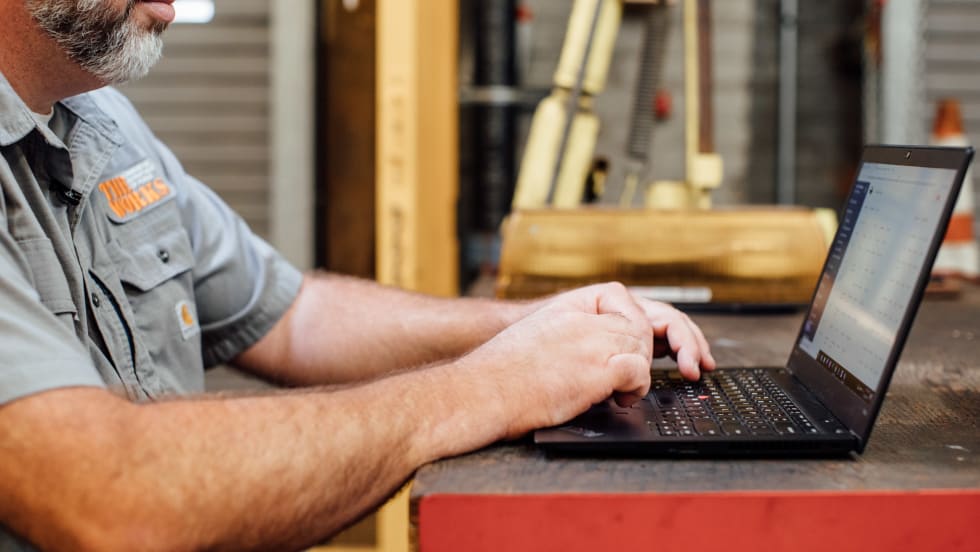
Centralize your data by integrating telematics data into a fleet management system so you can see everything in one place – fuel consumption, speed, diagnostics, and more. This makes it easier to identify patterns and find areas that need attention.
Telemetry data is only useful if you use it. Review it regularly to spot potential issues – such as frequent harsh braking or speeding – and take action to improve.
Set up alerts for early warning signs of problems so you can address them before they escalate into more expensive repairs.
The future of fleet management is all about using technology to avoid problems before they arise. For public sector fleets, that means better service, safer driving, and more efficient use of taxpayer dollars.