
Red Government Fleet with star logo
MenuMENU
SearchSEARCH

So You’re Looking For A Telematics Solution…

Here are just some questions to consider when looking at implementing telematics in your fleet.

by Brent Wahl
November 18, 2020
So You’re Looking For A Telematics Solution…


Photo courtesy of CDC

3 min to read


Here are just some questions to consider when looking at implementing telematics in your fleet.

Photo courtesy of CDC

A common item across fleet Q&A websites is fleet managers looking for recommendations on telematics products. The specific product recommendations have changed over the years as companies and products have come and gone, but price and customer service are still the most common decision criteria. While important, I’m often concerned another critical piece of the telematics puzzle is not discussed: “What service am I looking for, and how does it tie into the information systems I already have?”

Fleet managers for years have discussed the issues of “paralysis by analysis” from having too much data to attempt to analyze and make decisions with. Despite this issue, we continue to add new information/technology systems without considering their impact on the information management of the entire fleet organization.

Most government fleets, at a minimum, operate a Fleet Management Information System (FMIS) and a fuel management system. Additional systems and services include telematics, automated fueling devices (CANceiver with passive telematics), and car sharing/automated motor pools (also with passive telematics), among others. Each system is often selected based on its own individual cost and performance rather than how it fits into the agency’s information management plan (do you have one?). This often results in additional systems and databases that need to be managed, as well as duplication of data capture rather than a simplification of processes.

Let’s assume we are selecting a telematics system and all have vehicle location and driver behavior monitoring that is similar. Some products have:

● The ability to pull actual mileage from the computer through the OBDII port

● Integration relationships with most fuel system and FMIS products

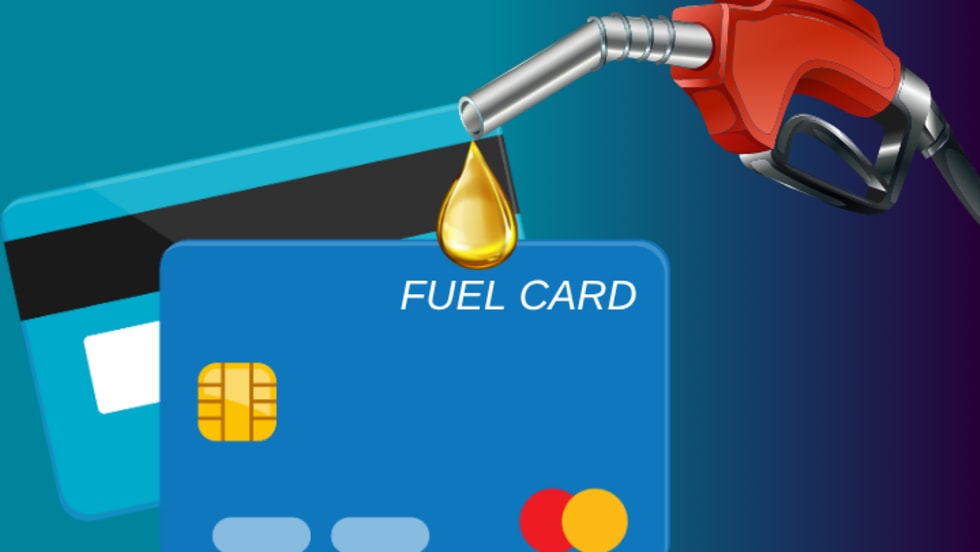
With these capabilities, would we be able to import mileage nightly from the telematics vendor? Sure…and it could be invisible to us if there was a direct integration relationship between fuel system and telematics vendors. Could we then eliminate CANceiver technology (on heavy equipment too)? We would now need cards or some other technology to identify vehicles during fueling transactions. How much could be saved and allocated to the telematics costs with this change? Is there some other limitation or data lost? Cost benefit for the data/capability lost?

What if we select a telematics vendor who is already directly integrated with OEMs? Beginning with MY20 vehicles, some telematics products are able to sync with the factory modem in the vehicle and can produce telematics results without hanging any hardware on the vehicle. What is this worth? If we consider that with the points above, have we eliminated the need to hang any hardware on a vehicle and get 90% of the same services from telematics and CANceivers combined? Where is the technology headed?

These are just some questions to consider when looking at implementing telematics in your fleet. Just remember to start with the 30,000 foot view of all your information management and collection and see how the proposed systems fit and what the overall cost to the agency is. Good luck!

About the Author

Brent Wahl is the director of Fleet Management for Pasco County, Fla. He can be reached at BWahl@pascocountyfl.net. 

Subscribe to Our Newsletter

More Blog Posts

Fleet Voicesby Staff WriterNovember 20, 2025

How Electric Vehicles as a Service Could Reshape Public Fleets

How the EV model can address concerns about meeting state mandates, cost, emissions and range anxiety.

Read More →
Fleet Voicesby Rachael PlantNovember 19, 2025

14 Metrics Government Fleets Should Track

The metrics government fleets should track to get a full understanding of their fleet operation.

Read More →
Fleet Voicesby Facundo TassaraNovember 12, 2025

Pick One: Hire a Technician or a Data Analyst

Short on techs and drowning in data, which single hire moves your fleet farther—a technician or a data analyst—and how does AI change the calculus?

Read More →
Ad Loading...
Fleet Voicesby James "Jimmy" JohnstonNovember 10, 2025

Why Refuse Truck Tech Must Serve the Operator

Ride along on a pre-dawn refuse route to see how operator-first, integrated safety technology turns split-second risk into preventable events and why purpose-built trucks are the next step in fleet safety.

Read More →
Fleet Voicesby Rachael PlantOctober 31, 2025

7 Tips for Smarter Fleet Management

The potential to manage your fleet effectively while ensuring the safety of both employees and the community can often go untapped, but there are certain habits you can adopt to get to that point.

Read More →
Fleet Voicesby Jason AlbericiOctober 3, 2025

Why Benefits Are Key for State and Local Fleets Looking to Win Federal Talent

State and local agencies have a unique chance to recruit skilled federal employees affected by workforce changes, but doing so will require strengthening total rewards packages with competitive benefits and financial wellness support.

Read More →
Ad Loading...
Fleet Voicesby Mike ClearySeptember 23, 2025

Diagnostic Strategies, Industry Insights, and More: Tech Corner Begins

Industry veteran Mike Cleary shares his journey in automotive and truck diagnostics while setting the stage for future insights, tips, and strategies aimed at helping fleet professionals sharpen their technical and diagnostic skills.

Read More →
Fleet Voicesby Nick LeeSeptember 19, 2025

Succession Planning for Public Fleet Leaders

As fleet leaders approach retirement, one critical question looms: Who will take the wheel when they step aside?

Read More →
Fleet Voicesby Rachael PlantSeptember 2, 2025

A Complete Guide to Being a Fleet Manager [Part 2]

Fleet managers are the ones who coordinate keeping fleet assets safe and running while staying apprised of industry challenges that could impact staffing, uptime, costs, routing, etc. But the key question is: How?

Read More →
Ad Loading...
Fleet Voicesby Peyton WinsteadJuly 16, 2025

Getting Started with Vehicle-to-Everything Tech: Use Cases to Maximize Benefits

Tools like V2X technology can help address current fleet issues , it can also be difficult to find real-world examples of how to actually do it.

Read More →