Proper workwear is one of the most important first lines of protection for industry professionals working around mechanical hazards, environmental exposures, and unpredictable weather conditions.
High-visibility clothing helps to avoid low-light accidents; flame-resistant fabrics prevent electrical incidents and flash fires. A Bureau of Labor Statistics report shows that using the right protective gear cuts workplace injuries by 37% for public transportation workers.
Beyond safety, specialist workwear boosts productivity with useful features like moisture-wicking textiles, tool pockets, and reinforced knees.
Keeping Fleet Workers Safe: How the Right Workwear Does the Job
Waterproof workwear, constructed with Gore-Tex and featuring moisture-wicking thermal base layers and adjustable ventilation, protects workers from hypothermia in temperatures as low as -10°C.
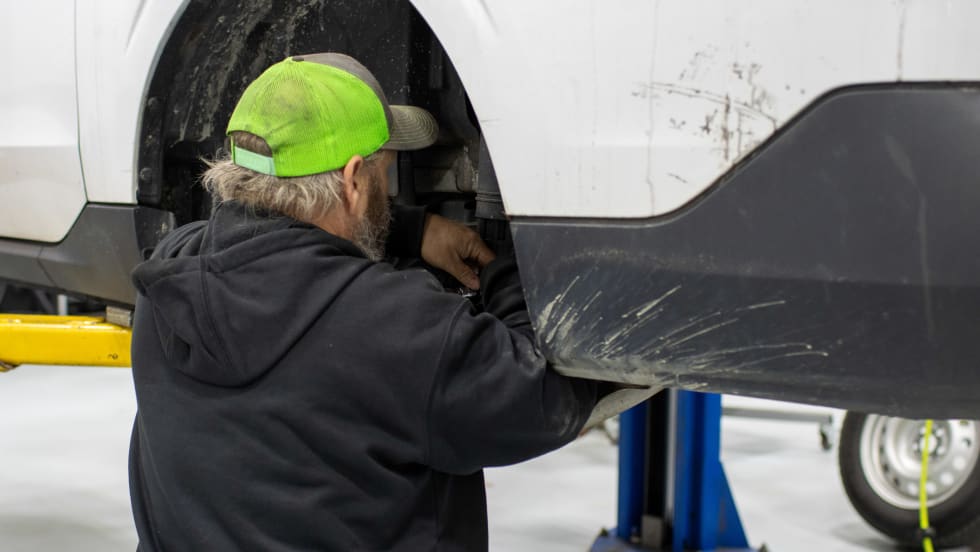
Impact-resistant gloves protect the hands of fleet workers while fixing vehicles. Steel-toed boots guard against injuries from heavy parts. Special rain gear lets technicians work safely during storms without losing visibility or movement.
Chemical-resistant workwear protects skin from dangerous automobile fluids, which could burn or aggravate skin conditions. Eye protection stops metal shavings, dust, and chemicals from causing serious eye injuries.
Hard hats with electrical protection keep workers safe from shocks when working on hybrid and electric vehicles. Respirators filter out dangerous particles when dealing with brake dust and other harmful substances that can cause lung issues.
OSHA reports show that workers wearing proper gear take 42% fewer sick leave due to injuries. Ergonomic back braces significantly reduce spinal injuries when technicians lift heavy engine components or transmission systems during repairs.
Each piece of workwear tackles certain hazards identified in safety evaluations, therefore providing robust defense against the perils of fleet operations.
Improving Operational Efficiency with the Right Workwear
The productivity of fleet managers and maintenance professionals depends on their performance workwear because it cuts down on task completion times and it also minimizes downtime.
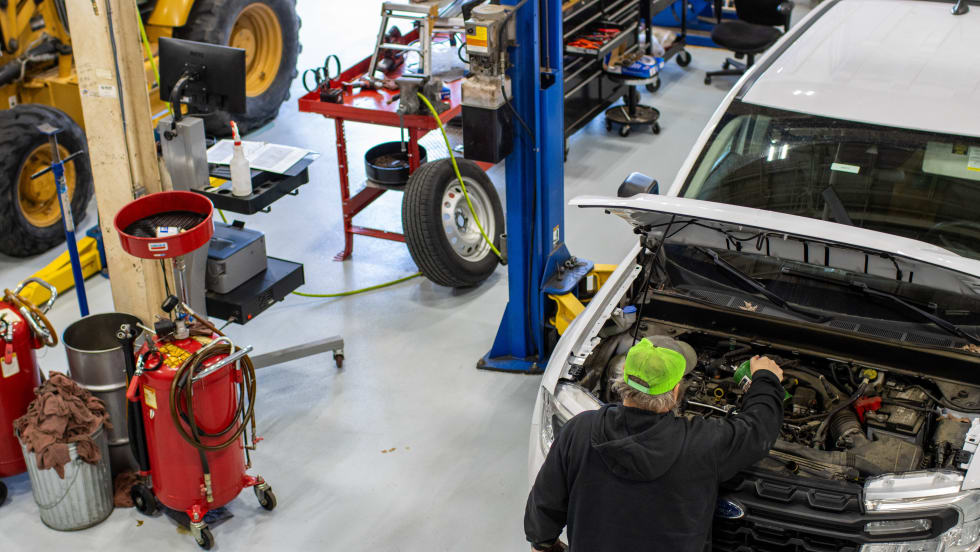
Maintenance professionals particularly benefit from strategically positioned reinforced knee and elbow padding that reduces fatigue during lengthy repair procedures.
Recent data from ResearchGate found that mechanics complete repairs 23% faster with ergonomically designed uniforms featuring:
Task-specific pocket configurations keeping essential tools within immediate reach
Articulated joints at elbows and knees enabling unrestricted movement in confined spaces
Reinforced padding at high-contact areas reducing fatigue during prolonged tasks
Proper material selection significantly improves comfort and extends productive working hours in extreme conditions. Wilson Fleet Services' practical application showed that the introduction of specially made coveralls with integrated tool management systems reduced repair cycle times by 31%.
The municipal departments reported 15% reduction in procurement overhead through standardized uniform systems with:
3x longer garment lifespan compared to conventional workwear
40% fewer replacements required annually
Simplified inventory management reducing administrative burden
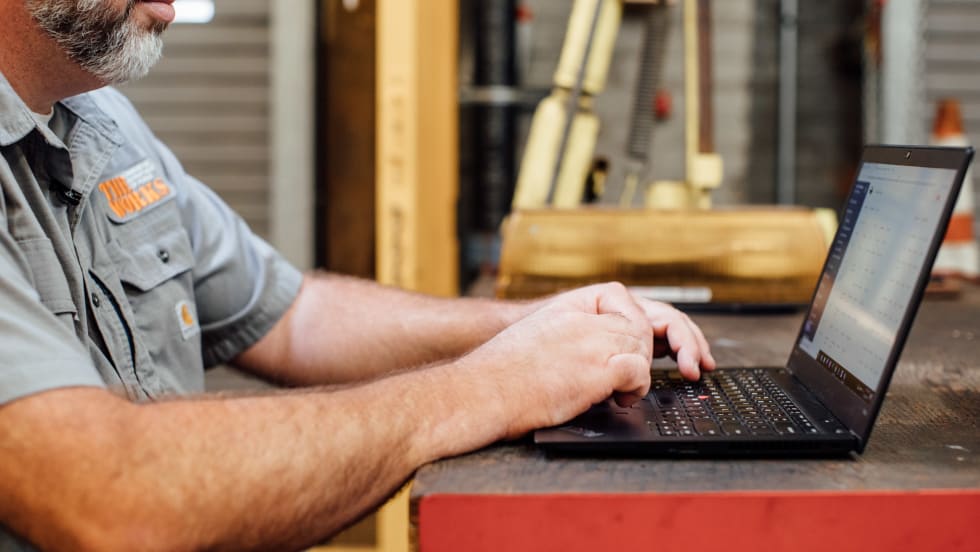
Digital tracking of workwear life cycles enables preventive replacement before failure occurs, eliminating unexpected downtime during critical maintenance operations.
Workwear is performance gear, not just a piece of clothing. Wearing the appropriate workwear turns a cost into a quantifiable productivity investment with a clear return on investment for all maintenance tasks.
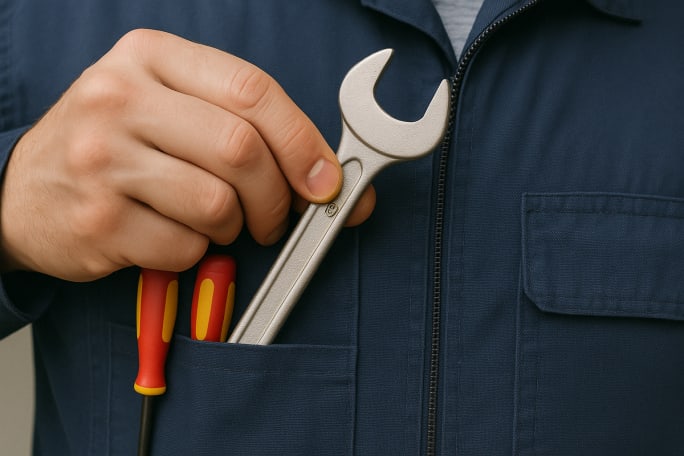
Beyond safety, specialist workwear boosts productivity with useful features like moisture-wicking textiles, tool pockets, and reinforced knees.
Photo: This utilizes an AI-generated image. Refer to our Terms of Use.
Selecting the Ideal Workwear for Different Fleet Roles
Different fleet roles require particular work clothes that are made to meet the particular needs of each position and the actual workplaces involved. Technicians require clothes that are made to last, with reinforced panels at stress spots and thick cotton-polyester blends that don't get stained by engine oil.
The most appropriate work pants should have special pockets at thigh level for easy access to tools while working in tight spaces. Electricians need fire-resistant clothing made from Nomex or treated cotton for protection against electrical dangers.
They must wear clothes with the right calorie ratings for the particular electrical systems they look after, along with special rubber-soled boots that keep static electricity from building up when they handle delicate electronic parts.
Outdoor fleet workers benefit from three-layer clothing systems featuring moisture-wicking merino wool base layers and breathable, waterproof Gore-Tex outer shells. This makes workers comfortable throughout everyday temperature swings.
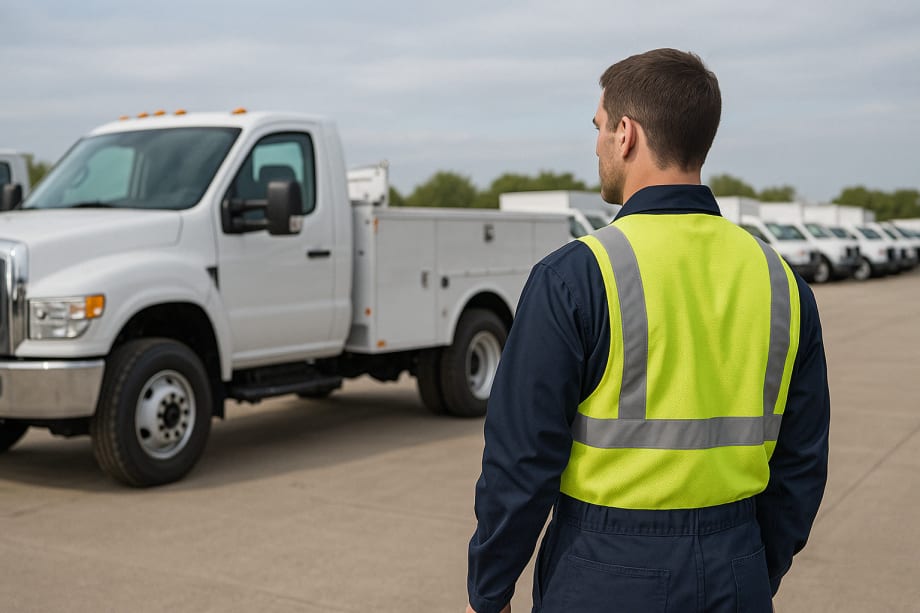
Yellow or orange high-visibility vests with silver reflective striping protect roadside personnel during foggy mornings or evening work hours. Fuel handlers require nitrile-coated gloves with specific chemical breakthrough times for gasoline and diesel exposure.
The administrative team needs uniforms made of a wrinkle-resistant cotton-polyester blend. The properly fitted workwear prevents dangerous situations like loose fabric catching in vehicle lifts.
During winter maintenance projects, Northern technicians are protected by insulated coveralls with wind-blocking properties, while Southern garages are kept cool by lightweight, breathable fabrics.
Getting Ready for the Future: Trends in Workwear for Public Sector Fleets
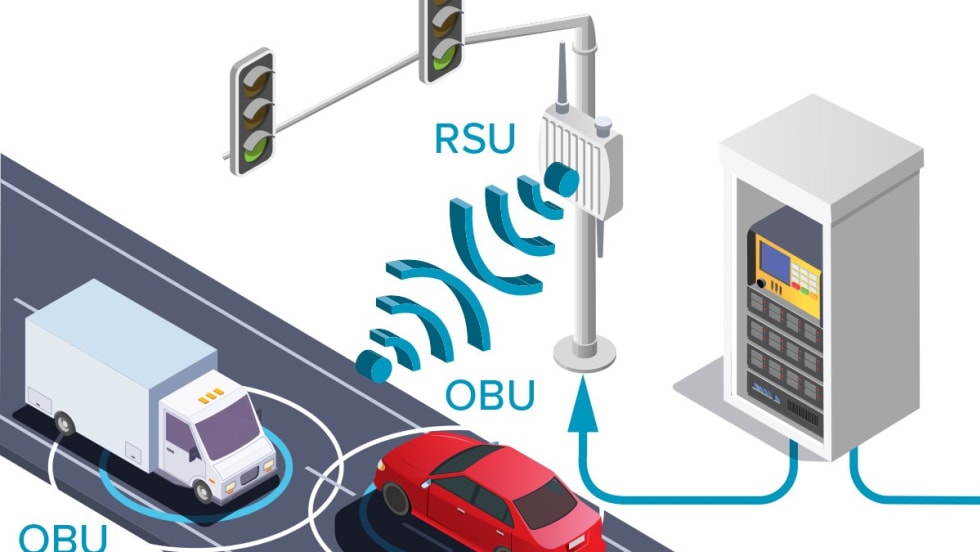
In the future, smart textiles with temperature sensors will protect fleet workers from heat stress by monitoring core body temperature in real time. When accidents happen, these workwear let supervisors react more quickly by tracking workers' positions during emergencies.
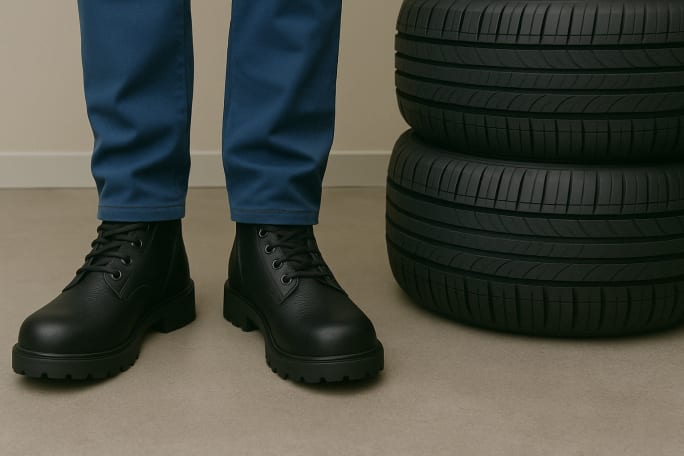
Items such as rubber-soled boots that keep static electricity from building up are important considerations when purchasing new workwear.
Photo: This utilizes an AI-generated image. Refer to our Terms of Use.
New adaptive materials will use phase-change technology that absorbs excess heat when workers are active and releases it when they cool down, making summer road work more manageable.
Uncomfortable pressure spots during extended shifts will be eliminated by precisely measured, custom-fit protection features. Specialized treatments in technician uniforms will resist diesel and oil contamination that can cause skin irritation and breathing problems.
Enhanced visibility features in new workwear automatically brighten or dim based on surrounding light conditions, keeping workers safe from dawn through dusk.
Energy-capturing fabric technology will convert movement into small amounts of electricity, powering diagnostic tools needed for modern electric vehicles during maintenance procedures.
Setting Up a Good Workwear Program for Public Sector Fleets
The first step in any successful workwear program is to do specific danger assessments for every fleet position. Form diverse committees with technicians, drivers, and field supervisors to document job-specific risks and clothing requirements.
Create procurement standards specifying minimum tensile strength ratings, NFPA flame resistance levels, and ANSI/ISEA visibility classifications.
Get professionally fitted work clothes to avoid safety hazards from loose fabric or gaps. Replace garments when reflective strips fade or fabric thins, not by time-based schedules.