




Red Government Fleet with star logo
MenuMENU
SearchSEARCH

Which is More Important, Processes or Employees?

Technology and ever-increasing regulations will continue to challenge the industry over the next 10 years, but at a rate of change not seen in the last 50 years.

by David Worthington
September 29, 2020
Which is More Important, Processes or Employees?


3 min to read


Technology and ever-increasing regulations will continue to challenge the industry over the next 10 years, but at a rate of change not seen in the last 50 years.

When was the last time you went to a favorite fast food franchise drive-through, only to discover at home that what you received was not what was ordered? Fast food chains are known for being the business sector that has invested heavily in creating and continually improving processes. Their success is dependent upon ensuring customers consistently receive food in a relatively short period of time and for it to taste the same, regardless of which location you visit. So why do we end up with cold french fries occasionally or, at some locations, consistently? The staff is trained, technology is present to ensure consistency, and every process has been scrutinized ad infinitum.

A process with errors in it will consistently deliver the same results of not meeting expectations — as will an employee who is not motivated to perform a task properly. Either of these challenges can result in your french fries resembling wet noodles instead of hot, crisp potato sticks. However, a bad process can be overcome by a talented employee, whereas the opposite is rarely true.

Changing Technologies Mean Updating Processes

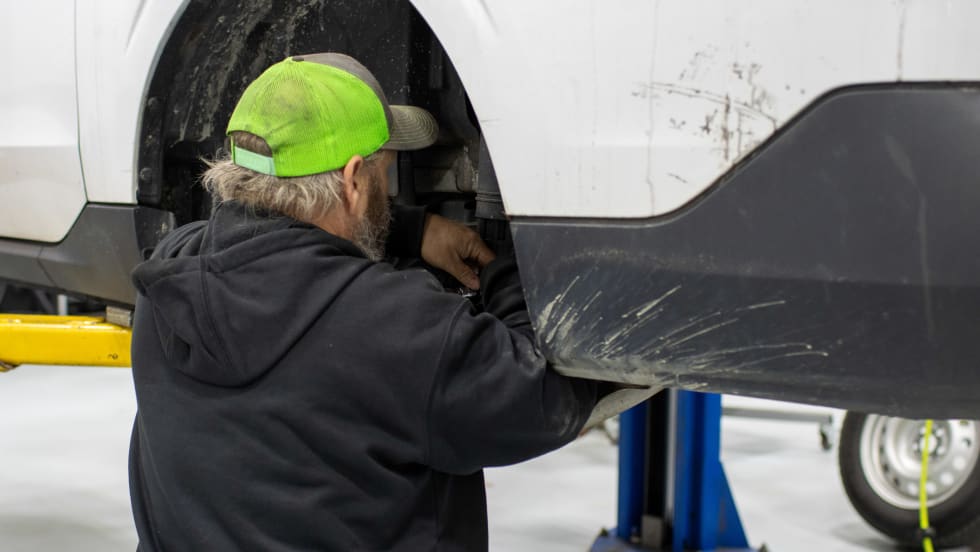
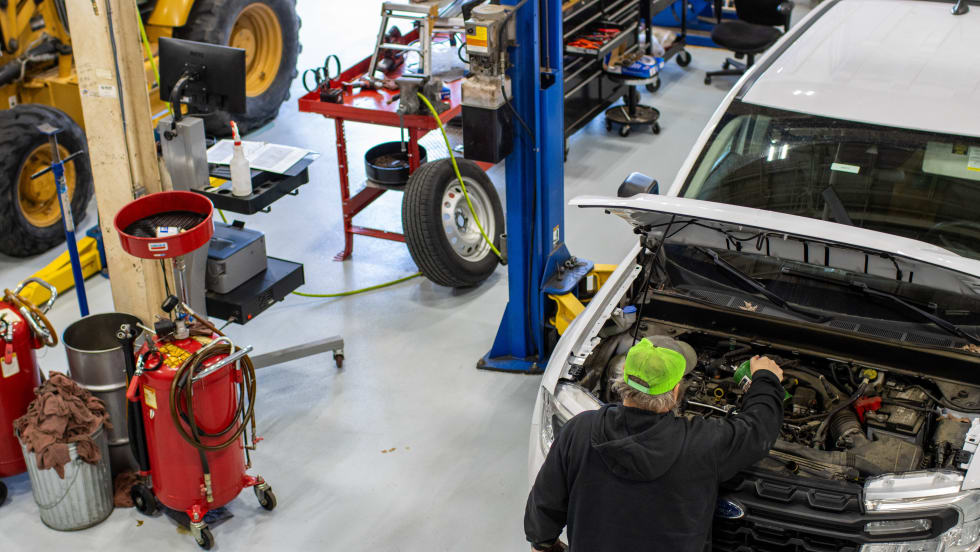
Fleet maintenance and the fast food industry are similar in that they need employees to perform the more dexterous tasks machines cannot accomplish. Each industry benefits from the establishment of good processes, employee training programs, and having the right tools at hand for each task. However, the industries differ in the variety and complexity of unforeseen problems that occur on a regular basis that processes have difficulty in addressing quickly. Fleet technicians are often challenged with insufficient or incorrect diagnostic and repair information, not having the right specialty tool for the task at hand, and unrealistic expectations based on the resources made available.

We are currently living through a transportation renaissance where battery electric and hydrogen vehicles can be purchased at your local dealership, cars and trucks can automatically brake or steer out of danger, over-the-air computer software updates reduce the need to visit a dealership, and autonomous vehicles are being tested on public roads. All of this technology, and ever-increasing regulations, will continue to challenge the industry over the next 10 years, but at a rate of change not seen in the last 50 years.

Fleets will be operating in a constant state of adjustment that will make the development of long-term strategies and a commitment to one or two powertrain technologies difficult. The vision for the organization and the objectives that are the road map for employees to follow will need to change before new and more efficient processes can be created. The industry-wide transformation will require a team whose members’ strengths include good communication skills, a positive attitude, and the ability to accept change while working collaboratively in problem-solving new processes.

Success will be measured in outcomes that will be dependent on employees being trained on the vision and understanding the objectives, while being empowered to deviate from a particular process to achieve overall goals. Does your team have the necessary skills and abilities needed to reinvent french fries and create new processes to keep your customers happy?

About the Author

David Worthington
Manager of Fleet and Construction Support
East Bay Municipal Utility District, Oakland, Calif.

David Worthington has over 32 years of comprehensive management experience in automotive and truck related industries which include: public and private fleet management, franchised truck dealerships, wholesale and retail part operations, insurance claims, collision repair, manufacturing, and sales. He currently serves as the vice chair of the Northern California Chapter of the Municipal Equipment Maintenance Association (MEMA), and as a board member of the East Bay Clean Cities Coalition.

Subscribe to Our Newsletter

More Blog Posts

Fleet Voicesby Staff WriterNovember 20, 2025

How Electric Vehicles as a Service Could Reshape Public Fleets

How the EV model can address concerns about meeting state mandates, cost, emissions and range anxiety.

Read More →
Fleet Voicesby Rachael PlantNovember 19, 2025

14 Metrics Government Fleets Should Track

The metrics government fleets should track to get a full understanding of their fleet operation.

Read More →
Fleet Voicesby Facundo TassaraNovember 12, 2025

Pick One: Hire a Technician or a Data Analyst

Short on techs and drowning in data, which single hire moves your fleet farther—a technician or a data analyst—and how does AI change the calculus?

Read More →
Ad Loading...
Fleet Voicesby James "Jimmy" JohnstonNovember 10, 2025

Why Refuse Truck Tech Must Serve the Operator

Ride along on a pre-dawn refuse route to see how operator-first, integrated safety technology turns split-second risk into preventable events and why purpose-built trucks are the next step in fleet safety.

Read More →
Fleet Voicesby Rachael PlantOctober 31, 2025

7 Tips for Smarter Fleet Management

The potential to manage your fleet effectively while ensuring the safety of both employees and the community can often go untapped, but there are certain habits you can adopt to get to that point.

Read More →
Fleet Voicesby Jason AlbericiOctober 3, 2025

Why Benefits Are Key for State and Local Fleets Looking to Win Federal Talent

State and local agencies have a unique chance to recruit skilled federal employees affected by workforce changes, but doing so will require strengthening total rewards packages with competitive benefits and financial wellness support.

Read More →
Ad Loading...
Fleet Voicesby Mike ClearySeptember 23, 2025

Diagnostic Strategies, Industry Insights, and More: Tech Corner Begins

Industry veteran Mike Cleary shares his journey in automotive and truck diagnostics while setting the stage for future insights, tips, and strategies aimed at helping fleet professionals sharpen their technical and diagnostic skills.

Read More →
Fleet Voicesby Nick LeeSeptember 19, 2025

Succession Planning for Public Fleet Leaders

As fleet leaders approach retirement, one critical question looms: Who will take the wheel when they step aside?

Read More →
Fleet Voicesby Rachael PlantSeptember 2, 2025

A Complete Guide to Being a Fleet Manager [Part 2]

Fleet managers are the ones who coordinate keeping fleet assets safe and running while staying apprised of industry challenges that could impact staffing, uptime, costs, routing, etc. But the key question is: How?

Read More →
Ad Loading...
Fleet Voicesby Peyton WinsteadJuly 16, 2025

Getting Started with Vehicle-to-Everything Tech: Use Cases to Maximize Benefits

Tools like V2X technology can help address current fleet issues , it can also be difficult to find real-world examples of how to actually do it.

Read More →