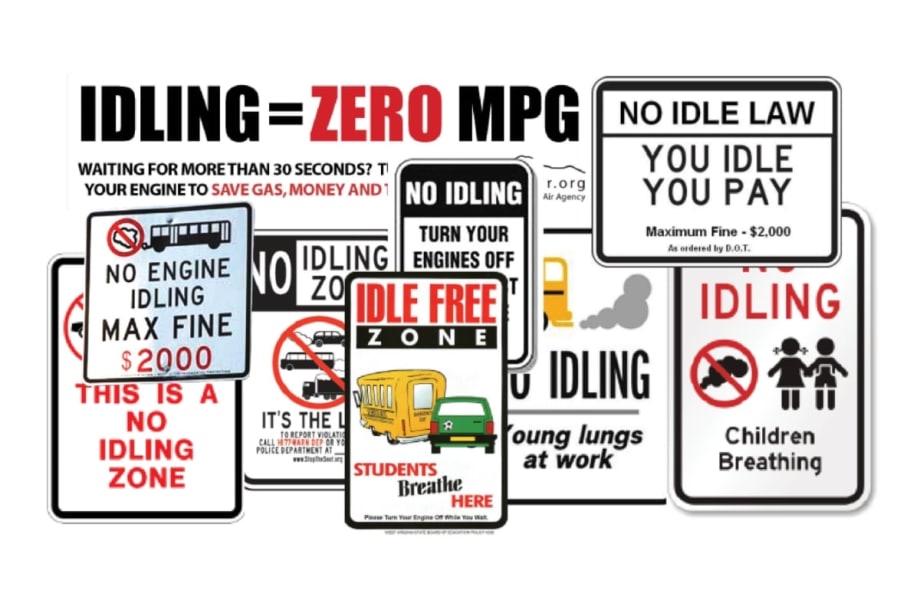
You may not have noticed, but North Americans have a 6.6 billion gallon-a-year idling habit. When running their personal and work vehicles when parked, Americans and Canadians are getting zero mileage while generating 33 million tons of carbon dioxide and tons of exhaust pollutants annually. If that was news to you, I’m not surprised. It was invisible to me too when I was a heavy idler 20 years ago.
As drivers, we’ve been hoodwinked into our idling habit largely because we’ve had idling myths handed down to us from the 60s and 70s that idling is good for your vehicle engine. Spoiler alert: idling an engine today is usually the worst operating condition for any engine.
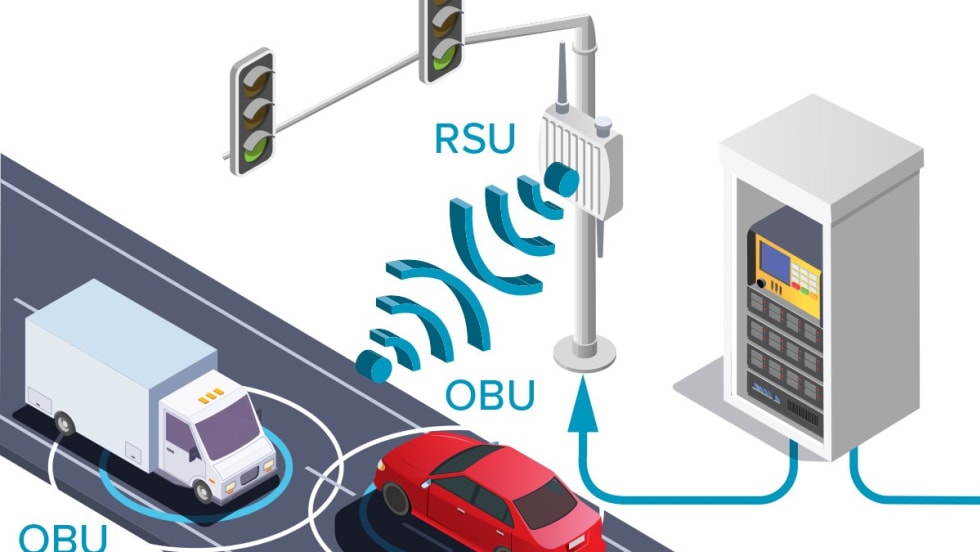
At the same time, I’ve seen another myth appear. I call it the “hybrid myth.” It is that somehow, technology will save us from our collective idling trance in the next two, three, or five years maybe, and we won’t even have to think about it. This is precisely the message we are sending to the public when we avoid taking the issue head-on and talking about the greenhouse gas gorilla in the room — our idling habit.
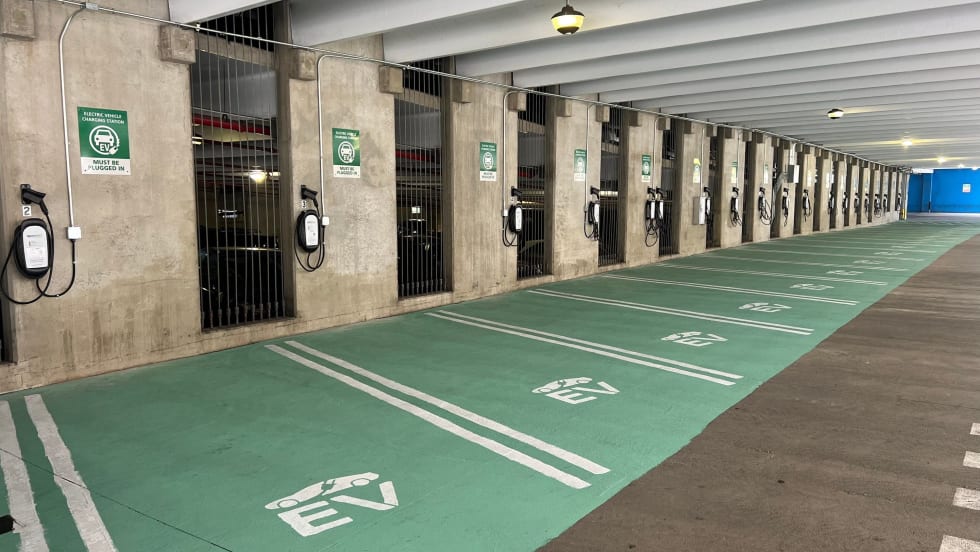
“Don’t worry. Go ahead and idle. Tech will take care of it,” is what we seem to be telling ourselves. Sorry folks. I doubt very much that tech alone will solve this. It may have even set us back in our race to cut carbon. Never mind those existing 300 million internal combustion engines on the road that will have to be cycled out.
Let’s Not Forget Driver Behavior
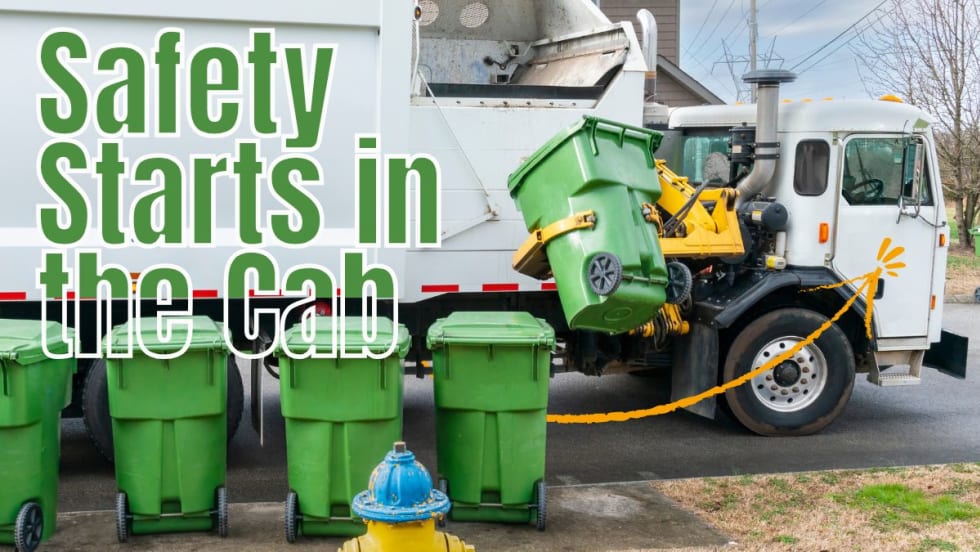
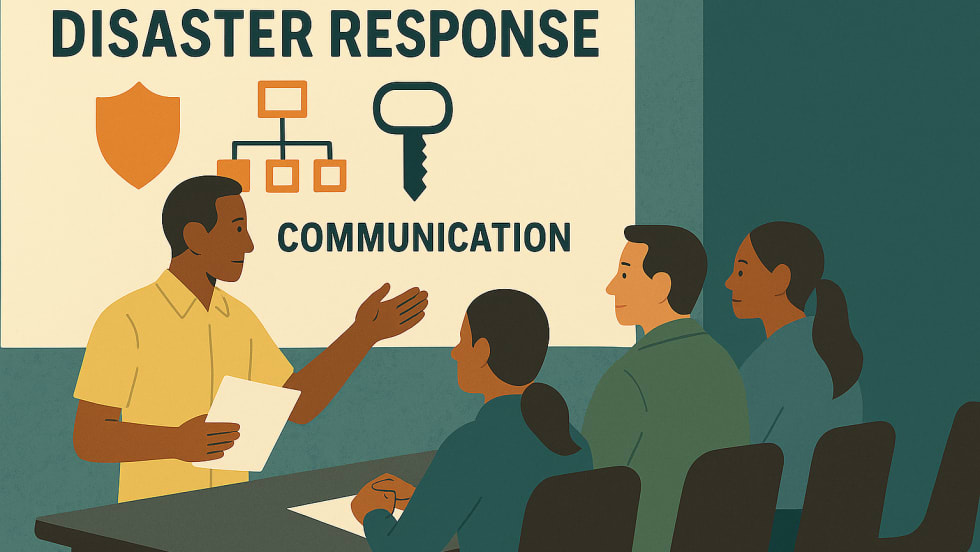
Here’s why. Fleet managers typically aren’t keen on addressing driver idling behavior. No kidding. Some have told us that coaching vocational drivers on long-held beliefs that “idling is good” was like “having root canal surgery. We avoid idle behavior management like the plague. It’s impossible!” Some have no idea how to manage excessive idling behavior, so a “wall of shame” of the worst performers is posted for all to see (not a good idea).
Instead, what many fleet operators have opted to do is avoid engaging drivers on idling, or almost any behavior modification attempt. Rather than face the wrath of the union or creating tension in the ranks around best use of an individual’s “office on the road,” many managers are installing an idle reduction technology to try and tiptoe around the driver and wrest idle reduction in every little nook and cranny the device can squeeze out (which still leaves a lot of “driver idling by choice”).
There are some great idle reduction technologies out there! Allow me to enthusiastically say that we are fans of all technologies that will complement the fleet operator’s most cost efficient and fuel-efficient idle management program. We use some technologies ourselves in helping operators get extraordinary results with our eLearning program.
However, what message does it send to the public when the government fleet operator says we had to buy a technical setup to get the employee to reduce their “idling by choice” rather than trusting the employee to respond to effective engagement and education on idling (for a fraction of the cost!).
Astonishingly, what we’ve found is that vocational drivers of all descriptions, including unionized veterans, become emotionally engaged about idling when they understand the impact that idling exhaust has on air quality that a seven-year-old asthmatic depends on. And, what it costs their personal vehicles and bank accounts.
In many cases drivers fervently flip the old idling myths and enthusiastically begin looking for every opportunity to go “idle free,” at home and at work. Therefore, I subscribe to the philosophy editorialized by Mike Antich on Automotive Fleet:
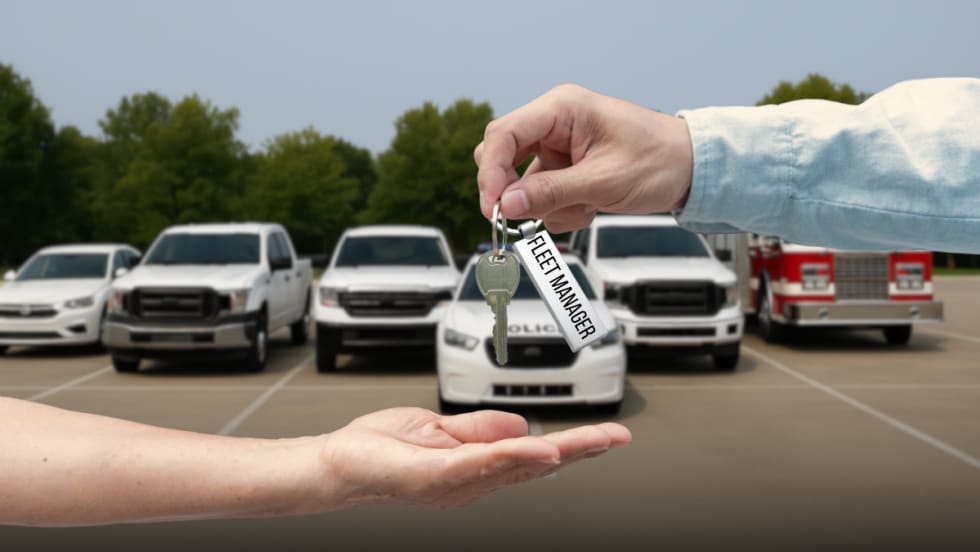
“Most fleet programs focus on managing the asset versus managing the driver. This difference between these two management philosophies is best illustrated by an industry anecdote that states: The benefits derived from drivers appreciate as they gain experience, while vehicles do not, they depreciate in value.
Fleet managers may be superb asset managers; however, there is much to be gained by improving your driver management skills.”
What Does Idling Cost the Community?
Ultimately, here’s our vision; we see fleet operators engaging drivers coast-to-coast on the impact that their unconscious idling behavior is having on their kids, cars, and cash at home. This can be done online with minimal supervisory resources required.
As we’ve demonstrated, drivers then enthusiastically report to work with their idle reduction mindset intact. Fleet operators cut costs, and employees save at home and feel very good about it. Everybody wins.
In the case of the government fleet operator, driver engagement on idling is a very big deal. By winning the hearts and minds of drivers on idling behavior, the rank and file become avid, highly visible champions of the city’s idle reduction commitment and the use of any idle reduction technology that helps achieve this commitment.
At the same time, the government operation can promote itself as an idle-free leader, demonstrating fiscal and environmental responsibility with drivers who are “walking the walk” on idle reduction; they are turning their vehicles off “when parked and it makes sense” (our GoGreen mantra). This leads to being an example to snag the biggest prize of all, the motoring public with their millions of vehicles and how they behave.
No idle reduction technology can achieve this without engaging the hearts and minds of drivers. And by the example which motivated public and unionized employees will produce themselves, with what really matters to them. What we’ve demonstrated over the years with our practice is that once drivers understand what’s at stake, and with management leading the way, idle reduction buy-in from the rank and file is not a hard sell at all.
Getting people to care about the idling metric is job one. Once they care, anything is possible! For example, inspiring citizens to follow the municipality’s lead and put a big dent into North America’s 6.6 billion gallon-a-year habit.